Network Upgrade for 3 Recycling Facilities: A Complete Case Study
KEY TAKEAWAYS
- Unmanaged switches and legacy wiring create hidden points of failure that cause costly operational downtime in industrial environments.
- Deploying a centralized managed network switch setup allows for instant troubleshooting, proper network segmentation, and zero downtime across remote scale houses.
- The UniFi Building-to-Building Bridge (UBB) provides a reliable point-to-point radio link for detached buildings when physical fiber optic cabling is impossible.
- Integrating UniFi Door Access with G6 Readers centralizes physical security and improves facial recognition accuracy for enterprise access control networks.

Project Blueprint
Facility Profile
- Property Type: 3 Commercial Recycling Plants & Corporate Headquarters (Featuring multiple detached buildings)
- Operations: Semi-truck scale weighing, scrap material receiving, and real-time cloud-based transaction processing
- Key Challenge: Crippling operational downtime caused by legacy unmanaged switches, combined with active demolition zones that prevented physical cable routing to remote scale houses.
Network & Wireless Backbone
- Core Infrastructure: Centralized managed switches installed in new 9U MDF/IDF racks, paired with APC UPS power redundancy and upgraded ISP gateways.
- Wireless Bridging: UniFi Building-to-Building Bridge (UBB) nodes deployed to establish high-speed, point-to-point radio links for remote scale houses and detached sales offices.
- Wired Backbone: Direct Ethernet structured cabling for all office endpoints and fiber optic links utilized where underground conduits remained intact.
Access Control & Surveillance Matrix
- Access Control: UniFi Door Access system fully integrated across 13 critical facility entry points.
- Biometric Entry: UniFi G6 Entry readers deployed for high-speed facial recognition, eliminating previous hardware failures caused by direct sunlight exposure.
- Future Integration: Network foundation secured and prepped for a centralized UniFi Protect camera array and alarm system rollout across all three plants.

INTRODUCTION: UPGRADING RECYCLING FACILITIES
Network downtime at a recycling facility stops operations immediately. When the network fails, trucks pile up, scales stop transmitting data, and transactions halt. Over the past year, YesTechie has provided network infrastructure solutions for recycling plants across multiple locations. We recently partnered with Modern IT to execute a complete enterprise network infrastructure deployment across three different recycling facilities.
This case study breaks down exactly how we upgrade network infrastructure in a recycling facility, eliminate single points of failure, and build a resilient, centrally managed IT foundation.

WHY NETWORKS ARE CRITICAL FOR RECYCLING PLANTS
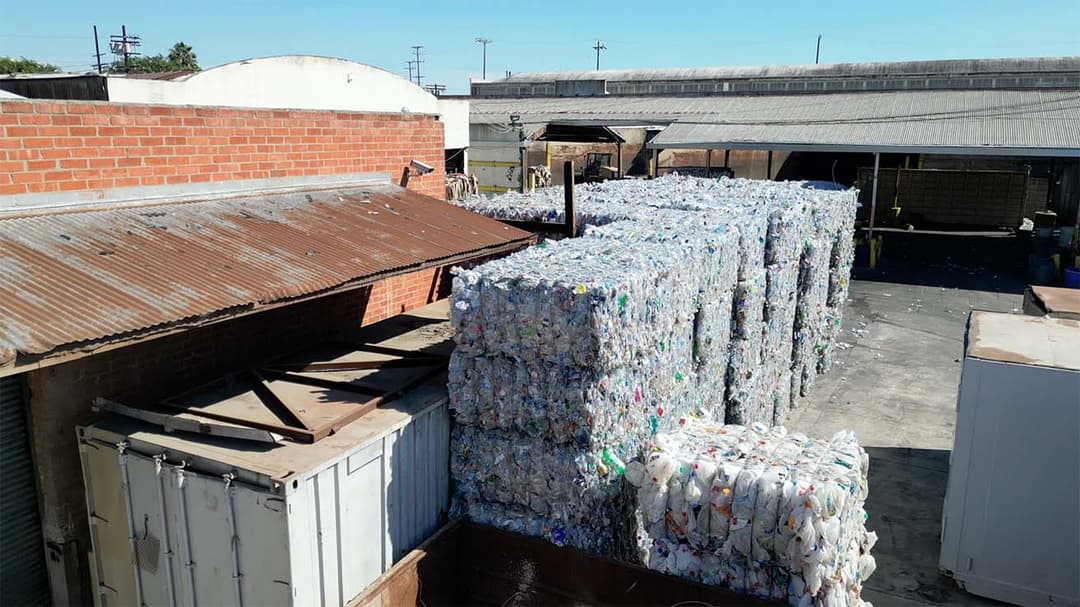
Every recycling facility follows a similar operational layout. Trucks arrive at a scale house, loads are weighed, materials move to a receiving area, and employees manage operations from the main office. This entire workflow relies entirely on a stable network connection. Facilities run specialized software to track material flow and financial transactions in real-time.
“In 2026, a single hour of IT downtime costs the average mid-size or large enterprise more than $300,000, according to ITIC's 2024 Hourly Cost of Downtime survey. 41% of enterprises now report hourly losses between $1 million and $5 million...”
— Source: Dotcom-Monitor Industry Cost Benchmarks, April 21, 2026
If a recycling plant loses internet access, the facility bleeds money. To prevent network downtime, we design industrial network installation services that prioritize redundancy, failover capabilities, and uninterrupted power supply (UPS) for servers.
SITE 1: THE PROBLEM WITH UNMANAGED SWITCHES
Identifying Legacy IT Bottlenecks
Our first location highlighted a common issue in commercial environments: a main server room choked by outdated Cat 5 cables, unused phone systems, and internet connections hanging across the floor. The facility was operating on a severely limited 10 Mbps ISP connection.
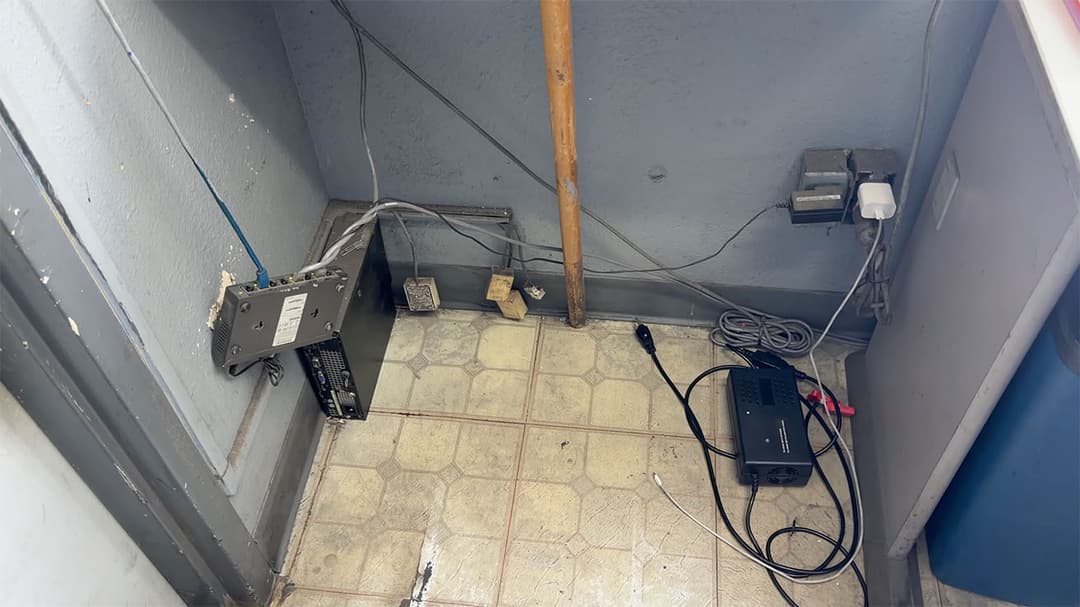
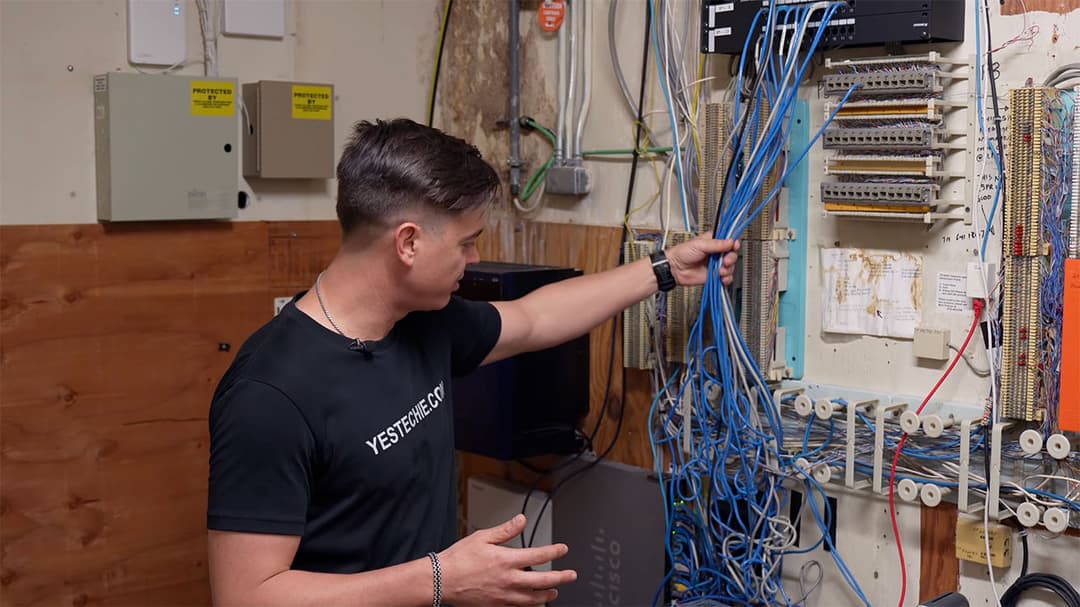
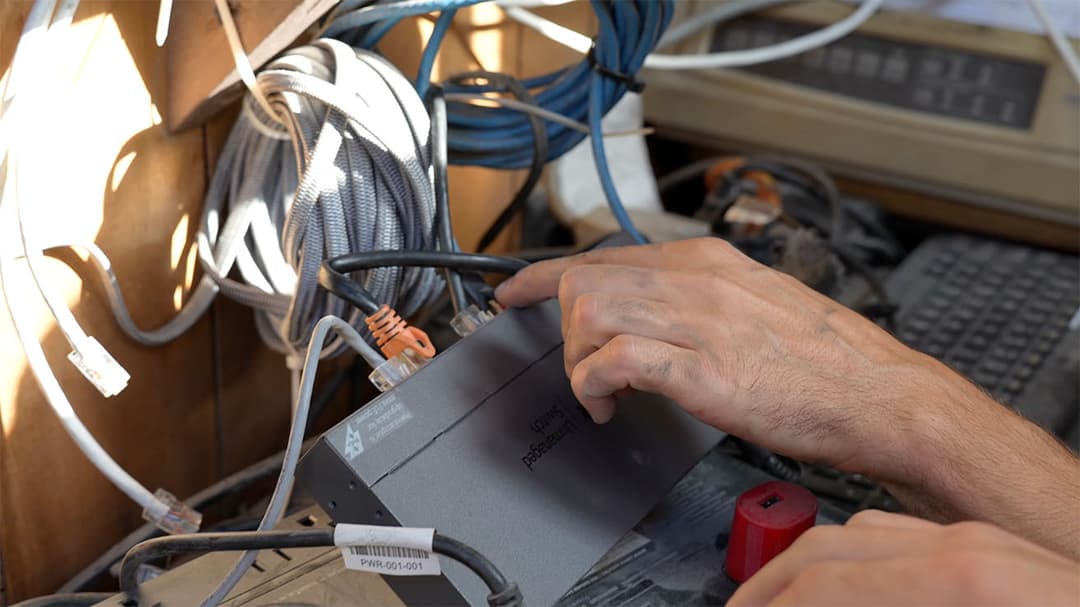
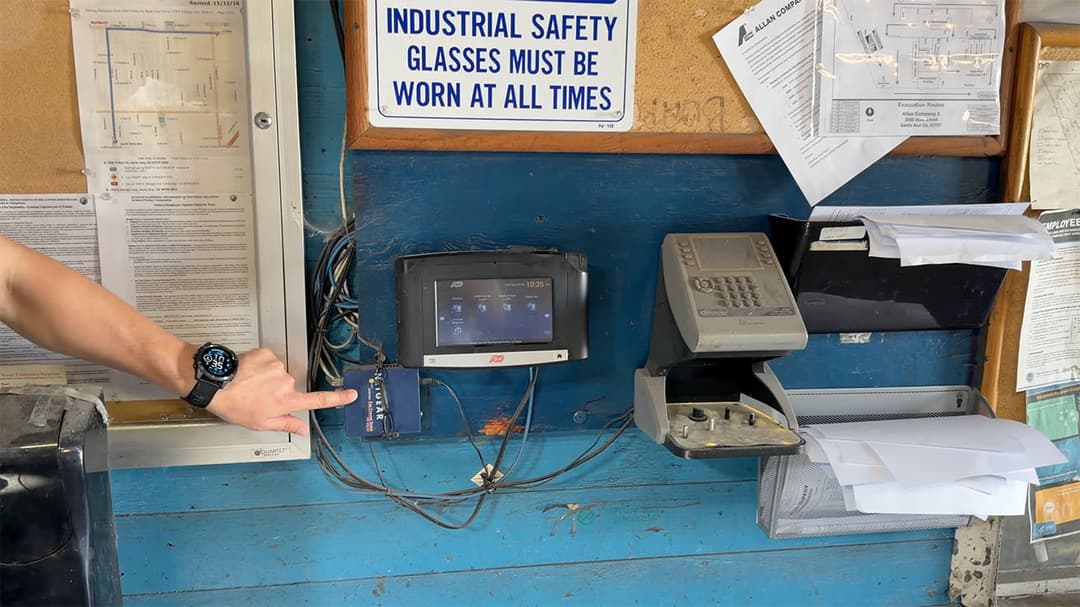
More importantly, every office area and scale house relied on unmanaged switches. Unmanaged switches create chaotic network environments. They lack visibility, prevent proper network segmentation, and make remote troubleshooting impossible.
“Cisco today announced the release of Splunk's latest research, The Hidden Costs of Downtime, revealing the aggregate cost of unplanned downtime for Global 2000 companies has surged to $600 billion annually – a 50% increase in just two years… The study found that the average cost of downtime has reached $15,000 per minute.”
— Source: Cisco & Splunk Global Downtime Research, May 19, 2026
Scope of Work: Structured Cabling & Managed Networks
Our primary objective was to eliminate unmanaged switches entirely. We executed an enterprise network cable management overhaul, removing loose cords and installing proper wall plates. We installed a new nine-unit network cabinet equipped with a new managed switch, patch panels, and an APC UPS.
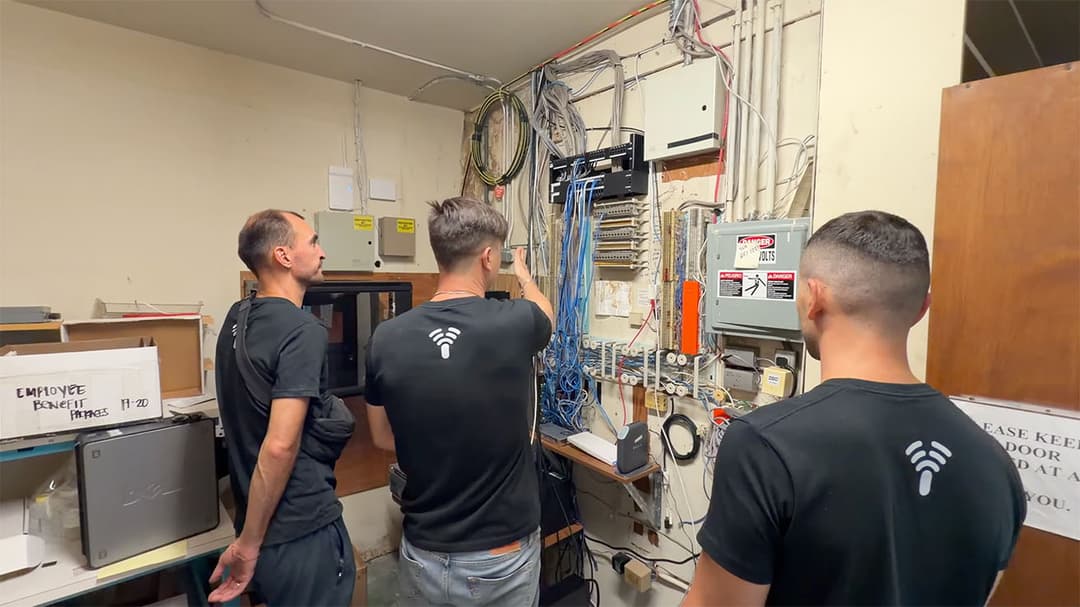
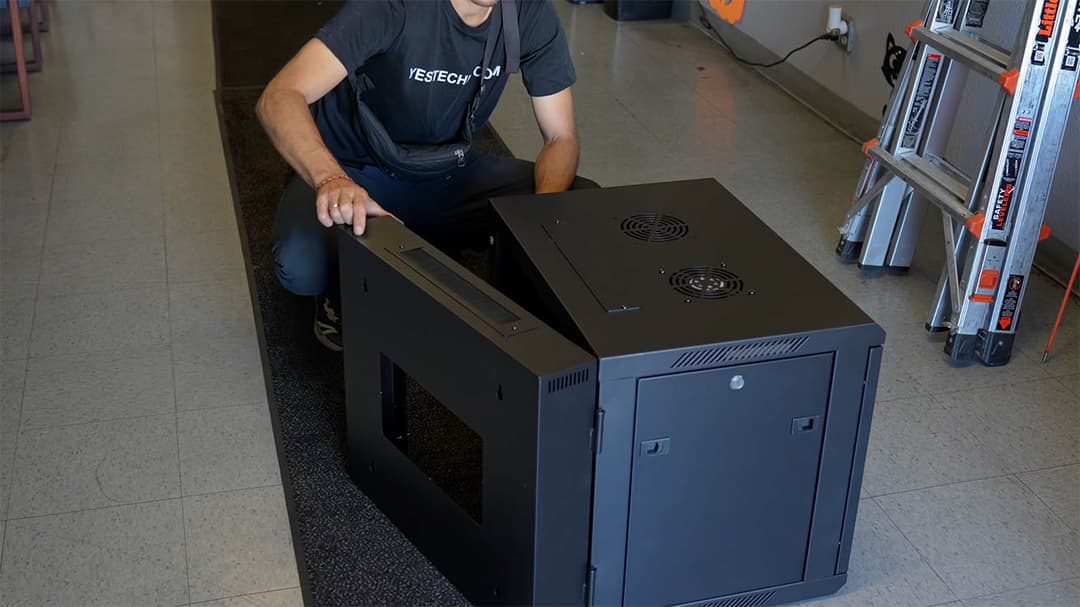
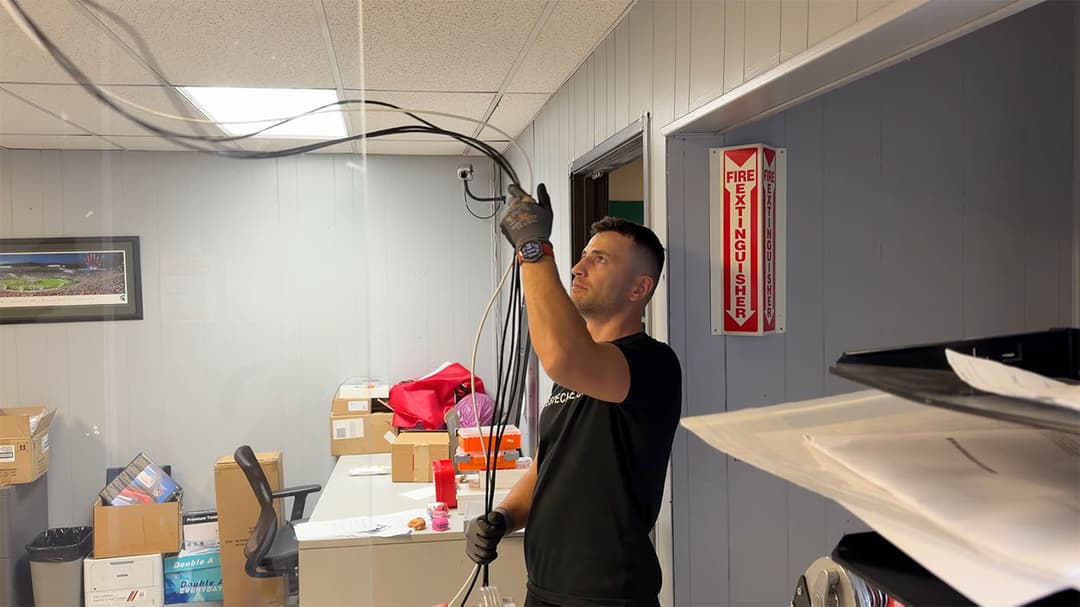
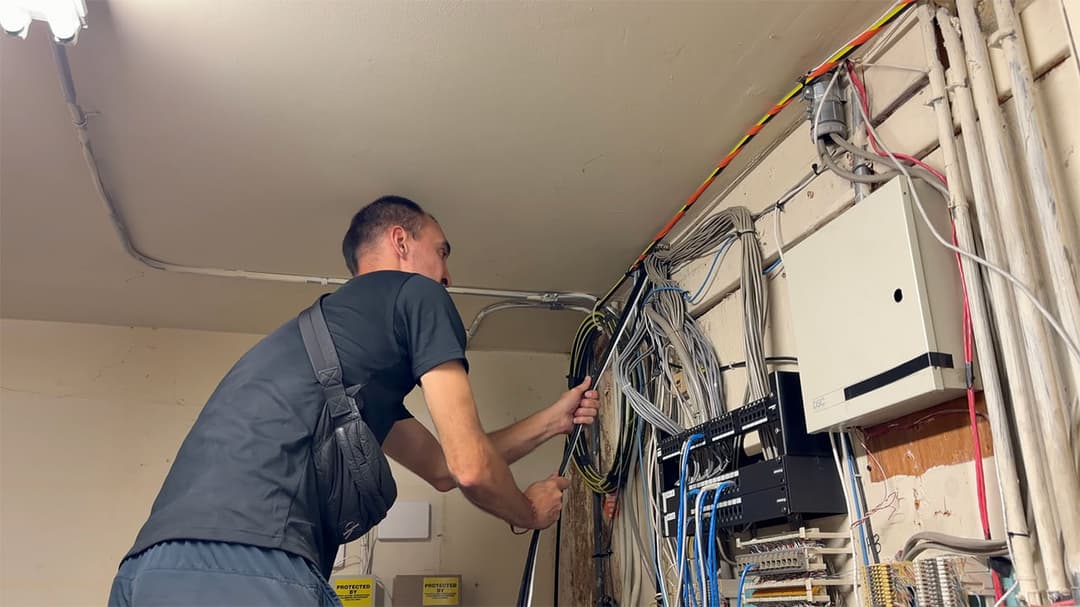
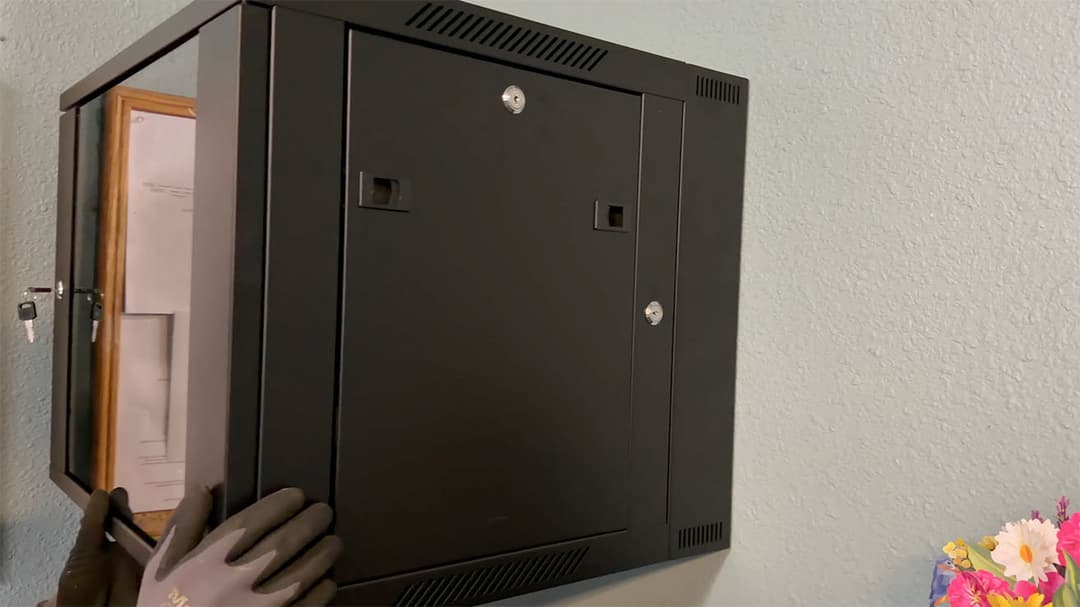
By running direct Ethernet lines to every desktop computer, VoIP phone, and printer, we established a centralized IT management structure. If you need a similar commercial UniFi network integrator approach, you can explore our dedicated network infrastructure services.
Site 1 Reveal: New MDF Rack & Network Redundancy
With the main distribution frame (MDF) rebuilt, every network device now connects directly to a managed switch. We completely bypassed the terrible 10 Mbps ISP limitation by installing a new gateway with an upgraded internet connection. Once the MDF was stable, our team moved to IDF 2 to secure the receiving area and scale house. Planned network disruption is critical for this plant, meaning we had to find extremely short time intervals to migrate devices to the new network without stopping truck traffic. Upgrading the ISP connection and implementing proper cable management transformed a fragile system into a high-availability network with zero operational impact.


SITE 2: CABLE MANAGEMENT & REMOTE SCALE HOUSES
Office Cable Management & MDF Setup
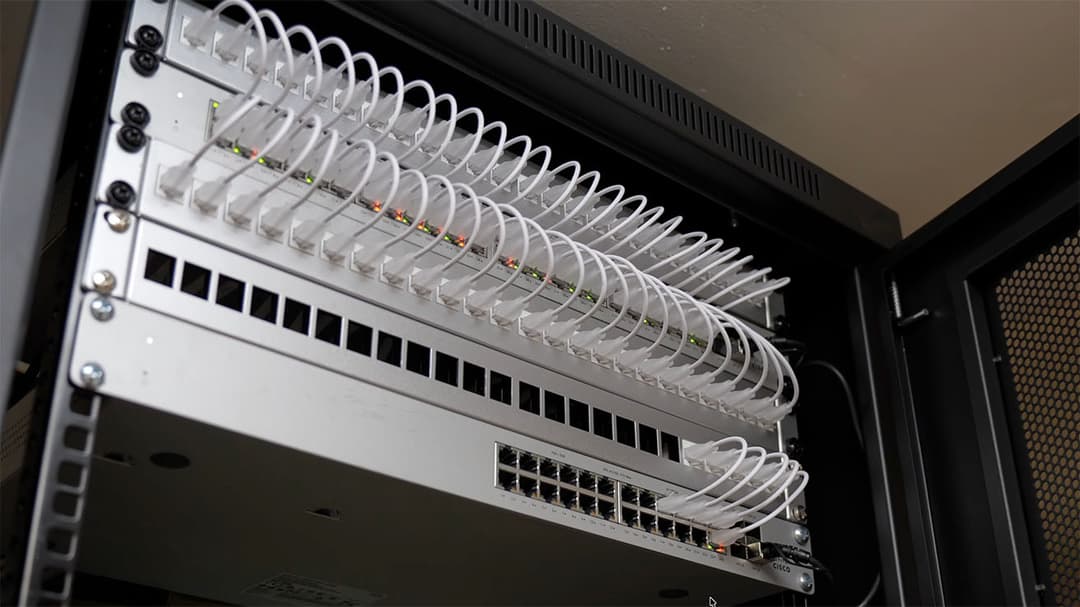
Before addressing the remote scale house, we tackled the primary office and receiving areas across two distinct buildings. Similar to the first site, the infrastructure relied heavily on unmanaged devices with cables scattered across office floors, creating physical tripping hazards and connection vulnerabilities. We executed a complete cable management sweep, securing all lines and replacing every unmanaged switch with a centralized managed network switch setup at the newly installed MDF. By securing the physical layer in the main offices first, we established a stable foundation before extending the network outward.
Deploying UniFi Building-to-Building Bridge (UBB)
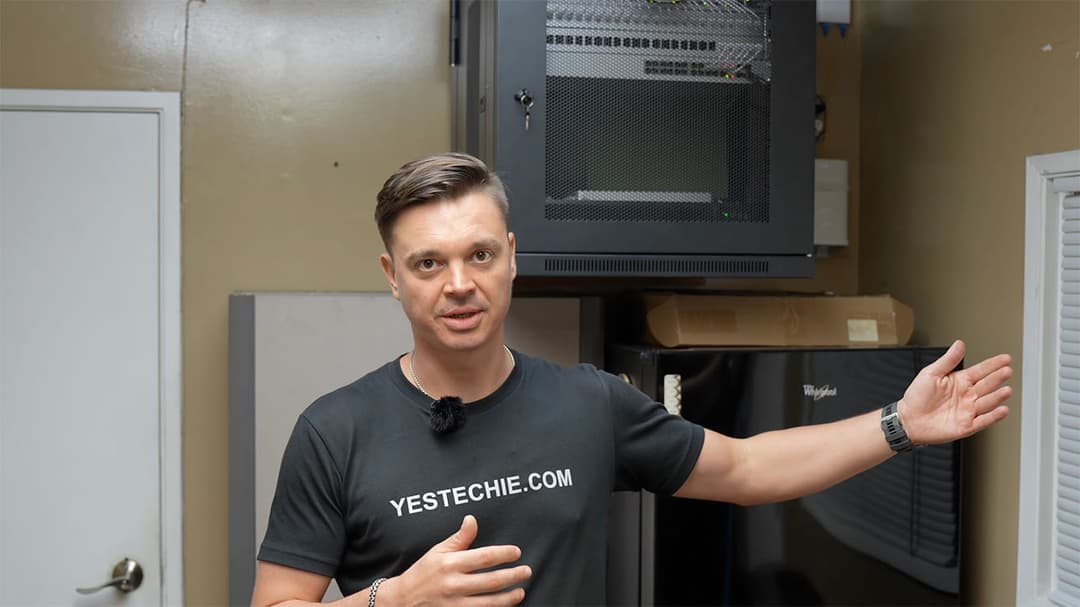
The second recycling facility presented a different physical challenge. We needed to establish a remote scale house network connection, but the existing physical cabling ran through a building scheduled for demolition. Running an aerial line or pulling new fiber was impossible due to the upcoming construction work.

“Outage costs continue to edge upward. In Uptime's 2025 Annual Survey, 57% of respondents said their most recent major outage cost more than $100,000. [...] Also, outages linked to fiber and connectivity issues are rising and more likely to result in extended disruptions.”
— Source: Uptime Institute, May 13, 2026
To mitigate physical connectivity risks, our certified UniFi network installers deployed a point-to-point radio link using the UniFi Building-to-Building Bridge (UBB). This hardware works out of the box without requiring separate console adoption.

We successfully bypassed the demolition zone and installed an additional managed switch at a remote IDF located in the brick building. From there, we ran direct Ethernet lines to the most critical hardware: the scale itself, the operator's computer, and the VoIP phone. We eliminated the remaining unmanaged switches on site, ensuring the remote scale house was fully integrated into the main server network. For businesses facing similar physical layout challenges, we provide specialized point-to-point wireless bridge deployments.
SITE 3: HEADQUARTERS & FIBER OPTIC INTEGRATION
Connecting Multiple Detached Buildings
The third location serves as the company headquarters and is the largest of the three plants. The environment consists of multiple detached buildings. Where underground conduits were intact, we ran physical fiber optic building connections. For buildings with ruined conduits, we deployed another UniFi Building Bridge installation to link the sales office with the main infrastructure.

Upgrading Physical Security with UniFi Door Access & G6 Readers
Facility management also requested a complete overhaul of their failing legacy access control system. Doors were frequently offline, causing significant workflow delays. We replaced the outdated hardware and installed UniFi Door Access control across 13 doors.

We integrated UniFi G6 Entry readers across the facility. While older hardware generations, like the G3, occasionally struggled with facial recognition under direct sunlight, the massive camera improvements in the G6 Entry make it flawlessly reliable in harsh outdoor conditions. This integration dramatically improved employee workflow and eliminated the bottlenecks caused by the legacy offline doors. We have implemented similar enterprise access control networks for manufacturing plants, which you can review in our manufacturing upgrade case study, or see how we apply this technology in residential spaces in our gated community security project. You can find more details on upgrading physical security.
FINAL SUMMARY & WORKING WITH YESTECHIE
Across all three locations, we successfully eliminated single points of failure, deployed managed network switch setups, and consolidated door access under a unified platform. However, physical security beyond the doors still requires attention. Currently, the client relies on a fragmented mix of different camera brands and disjointed NVRs with no centralized management. Our next phase involves stripping out this legacy hardware and bringing UniFi Protect cameras and alarm systems to all facilities, allowing management to monitor every plant from a single, highly efficient platform.

Whether you operate an industrial recycling plant, a high-density warehouse like our truck yard security system deployment, or a media facility like our high-density studio network project, infrastructure matters.
If you need a certified UniFi network installer for an industrial plant or require a custom physical security design, contact us to discuss your project.
Watch our complete on-site video breakdown below to see the exact hardware deployment and network transformation across all three facilities.
FREQUENTLY ASKED QUESTIONS
How do you prevent network downtime during an industrial IT upgrade?
We execute critical infrastructure replacements during strictly planned, short maintenance windows. By pre-configuring managed switches and staging the network architecture off-site, we swap hardware rapidly without halting scale house operations or truck processing.
Why are managed switches better than unmanaged switches for enterprise networks?
Managed switches provide total visibility, allowing IT administrators to monitor traffic, configure network segmentation (VLANs), and troubleshoot remote devices instantly. Unmanaged switches are plug-and-play devices that create blind spots and network bottlenecks.
How do you connect a remote scale house to the main network without running cables?
When physical cabling is impossible due to distance, ruined conduits, or active demolition, we deploy a point-to-point wireless bridge. Hardware like the UniFi Building-to-Building Bridge (UBB) creates a high-speed, reliable radio link that functions exactly like an invisible Ethernet cable.
Does UniFi facial recognition access control work outdoors?
Yes. The latest UniFi G6 Entry readers are designed to handle challenging lighting conditions, including direct sunlight, providing fast and reliable face recognition door access for outdoor and industrial environments.
What is the average cost of IT downtime for a commercial facility?
Unplanned downtime costs scale rapidly with business size. While mid-sized and large enterprises frequently report hourly losses exceeding $300,000, the cost can escalate up to $15,000 per minute for deeply integrated digital environments. Upgrading to a reliable, redundant IT infrastructure is a direct investment in preventing massive revenue loss.


.svg)