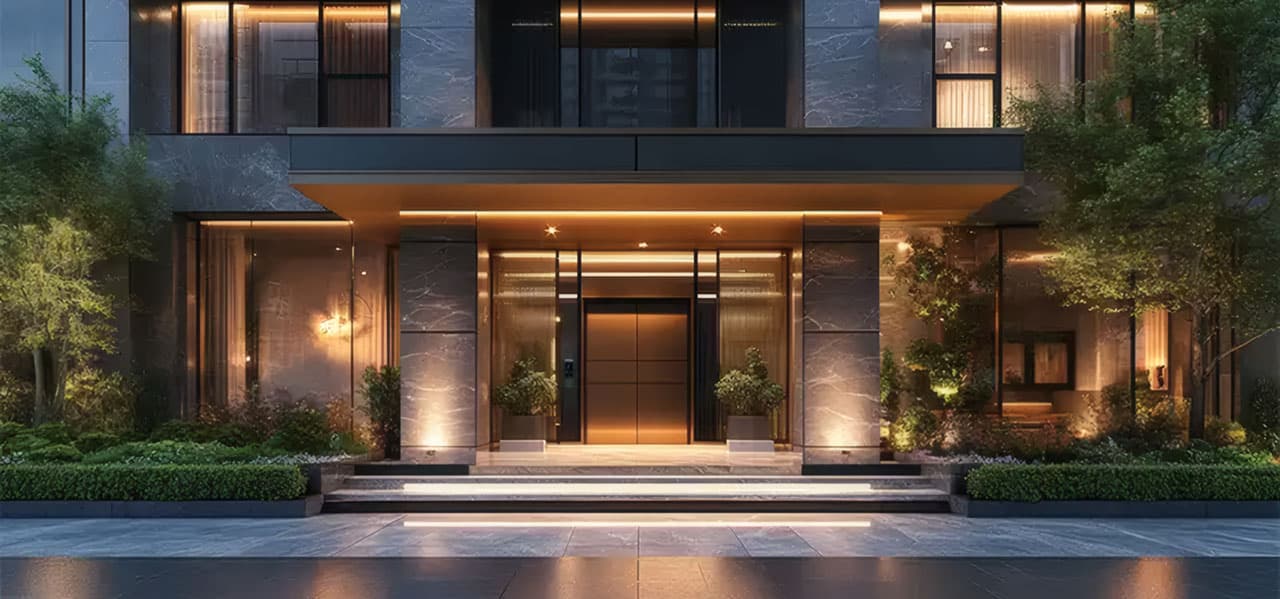
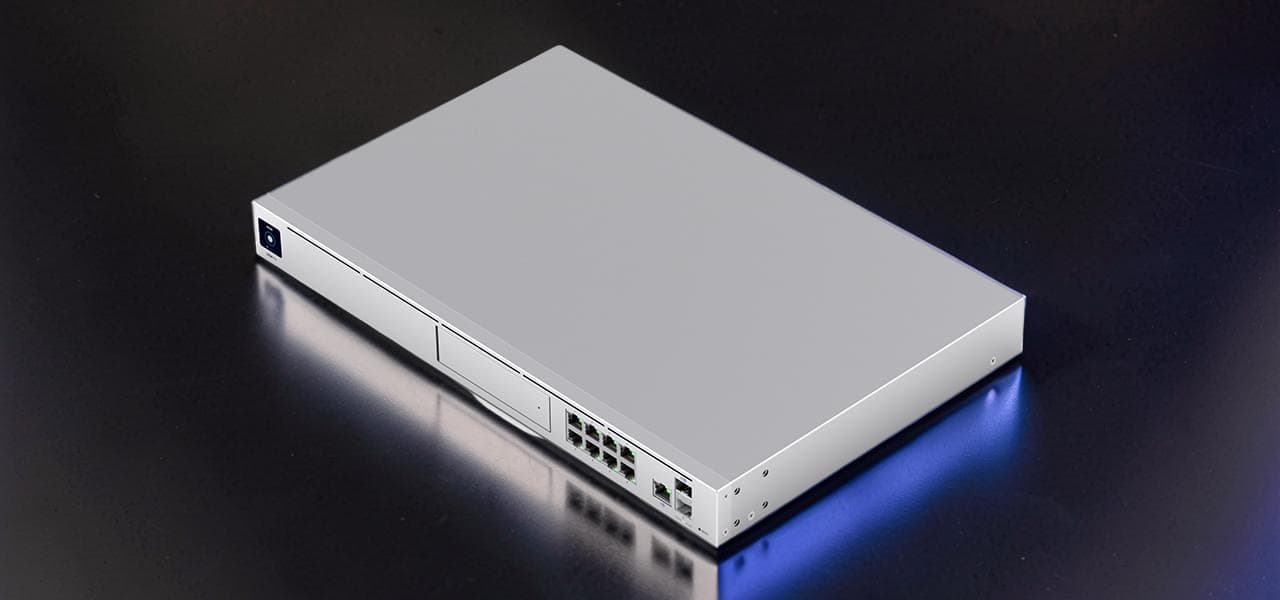
From Empty Space to Epic Event-Ready Venue: Complete UniFi Infrastructure at BlueGround Studios
Transforming an industrial shell into a premium, multi-tier rental facility requires a complete re-engineering of traditional low-voltage concepts. When the ownership of BlueGround Studios in Los Angeles mobilized our team, their operational objective was clear: convert a massive, empty warehouse into a top-tier commercial venue tailored for high-scale concerts, massive music festivals, and demanding film production crews.
An environment of this scale cannot rely on basic commercial-grade hardware. The underlying digital network needs to perform as a reliable utility, just as stable and predictable as electricity or water. Whether an incoming tenant is a Hollywood film crew shifting massive video packages or an electronic music festival pushing thousands of live point-of-sale transactions, they must be able to deploy their hardware, connect to a line, and begin production instantly.
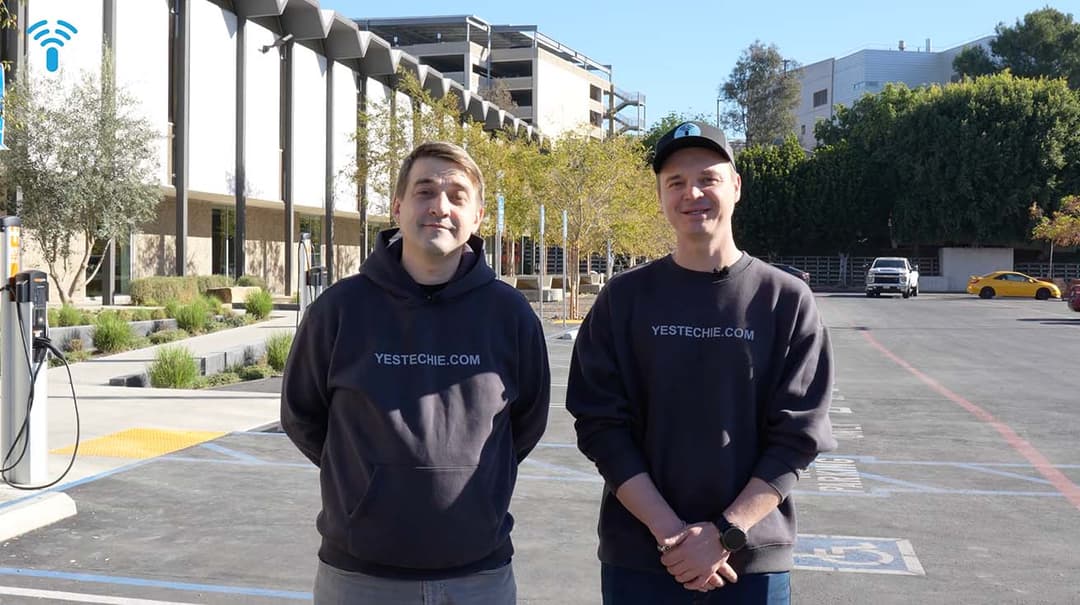
Our engineers at YesTechie designed and executed a comprehensive high-density network deployment from the ground up, linking a multi-gigabit fiber backbone, high-capacity corporate switching nodes, and an automated AI-driven perimeter defense matrix into one turnkey physical solution.
Technical Deployment Profile
- Deployment Site: BlueGround Studios (Los Angeles, CA)
- Industry Vertical: Commercial Event Space & Broadcast Film Production
- Project Scope: High-Density Network Routing, Enterprise Access Control, & Edge AI Active Deterrence
- Core Gateway Layer: Dual Enterprise Gateways in High-Availability Shadow Mode
- Backbone Topography: Distributed 25 Gbps-Ready Multi-Strand Fiber Optic Matrix
- Distribution Frame Layout: 1 Central Main Distribution Frame (MDF) • 4 Remote Intermediate Distribution Frames (IDFs)
- Core Switching Nodes: USW-Pro-XG-24-PoE (10 Gbps Access Line Delivery)
- High-Density Wireless: UniFi E7 Campus Enterprise Access Points
- Surveillance Storage Architecture: High-Capacity UniFi Enterprise NVR (UNVR-Enterprise)
- Edge Defense Nodes: UVC-G6-Turret Arrays, UVC-AI-PTZ Industrial, UVC-G6-Pro-360, & Active AI Horn Speakers
- Physical Access Security: Proximity G3 Reader Pros, Fail-Secure 12V Assa Abloy Strikes, & Emergency Mechanical Egress Push Bars
Project Introduction and Deployment Overview
The commercial footprint of BlueGround Studios encompasses two identical, massive staging arenas (designated East and West), expansive corporate administrative offices, and a heavy-use outdoor parking lot optimized to host open-air live events. To provide flawless site control across these dense zones, our deployment strategy brought the facility under a unified ecosystem covering the full UniFi Network, Protect, and Access feature matrices.
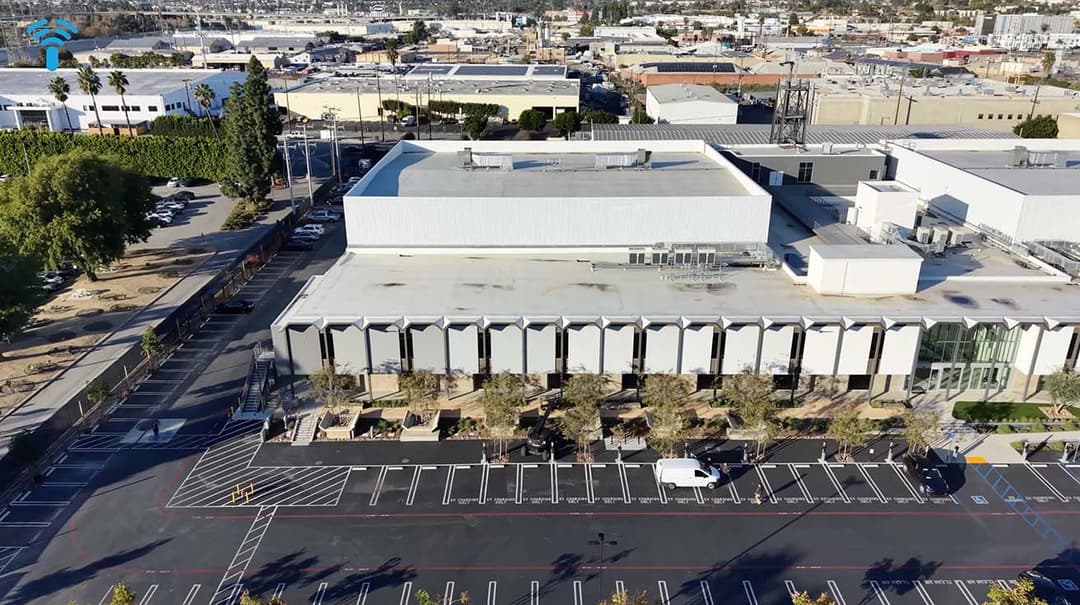
For the routing core, ensuring continuous service during live broadcasts and high-capacity events was non-negotiable. We deployed a redundant, automated gateway array running in full hardware failover. Wireless data distribution across the open spaces demanded enterprise-grade access points capable of sustaining thousands of dense concurrent user sessions without experiencing latency spikes or radio exhaustion.
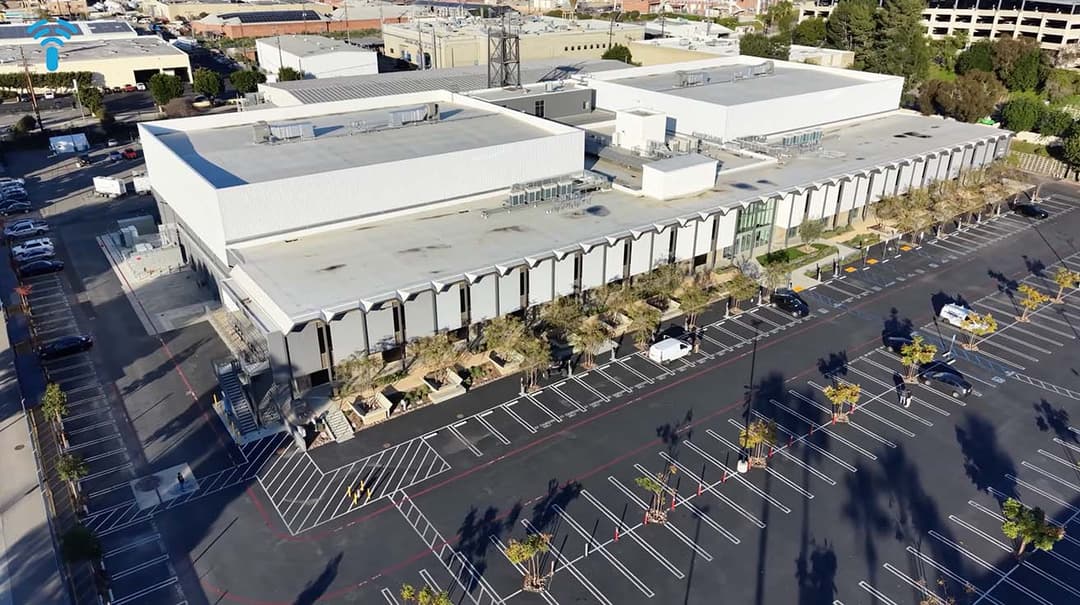
The perimeter security design required a balanced mix of specialized hardware form factors, utilizing motorized pan-tilt-zoom units for active tracking, wide-angle 360-degree nodes for loading bays, and network horn speakers for real-time proactive site protection. This structural separation ensures complete operational insulation between user networks and perimeter defense subnets.
Stage Area Network Infrastructure
The technical core of the stage design relies on absolute structural symmetry between the East and West sound stages. To maintain clean cable paths and eliminate signal loss across the wide warehouse interior, we designed a distributed network architecture splitting the data loads among four remote Intermediate Distribution Frames (IDFs) linked directly back to a master Main Distribution Frame (MDF).
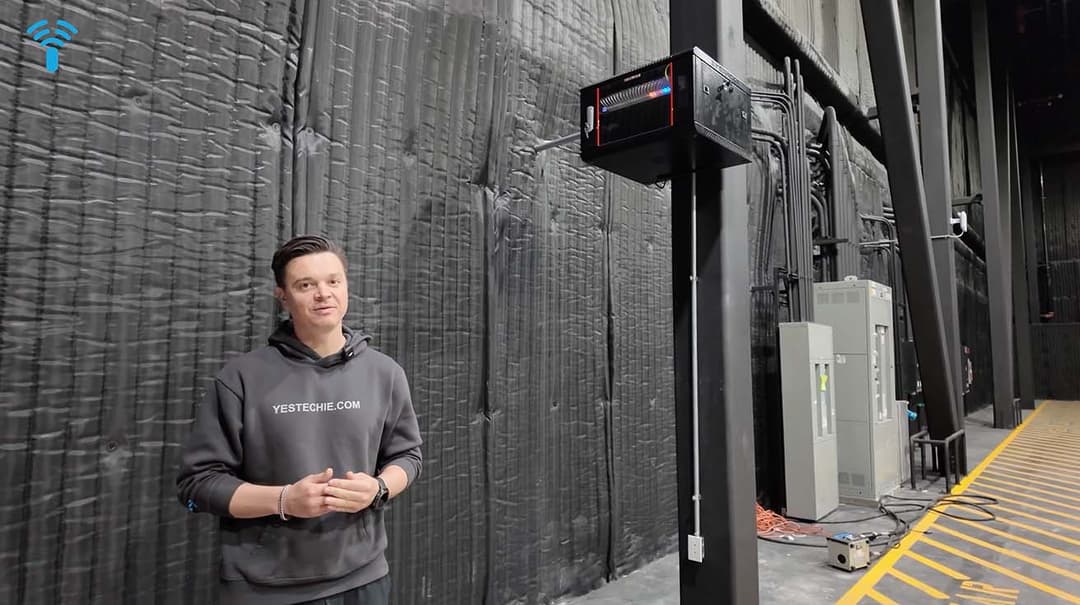
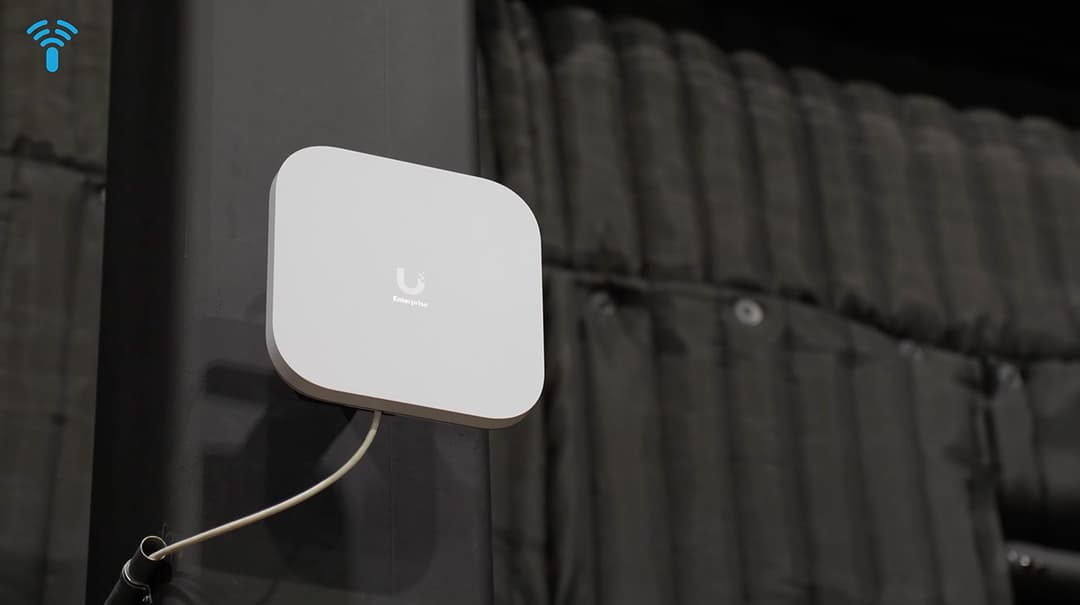
Inside each sound stage’s secure equipment cabinet, we anchored a UniFi Pro XG 24 PoE switch. This hardware model was selected explicitly to drive the high-density wireless arrays deployed along the high steel beams of the stage ceilings. Each stage houses four UniFi E7 Campus access points. Because these advanced enterprise APs ingest immense user data packages, the Pro XG’s native 10 Gbps copper ports ensure that the wireless network never runs into local interface constraints.
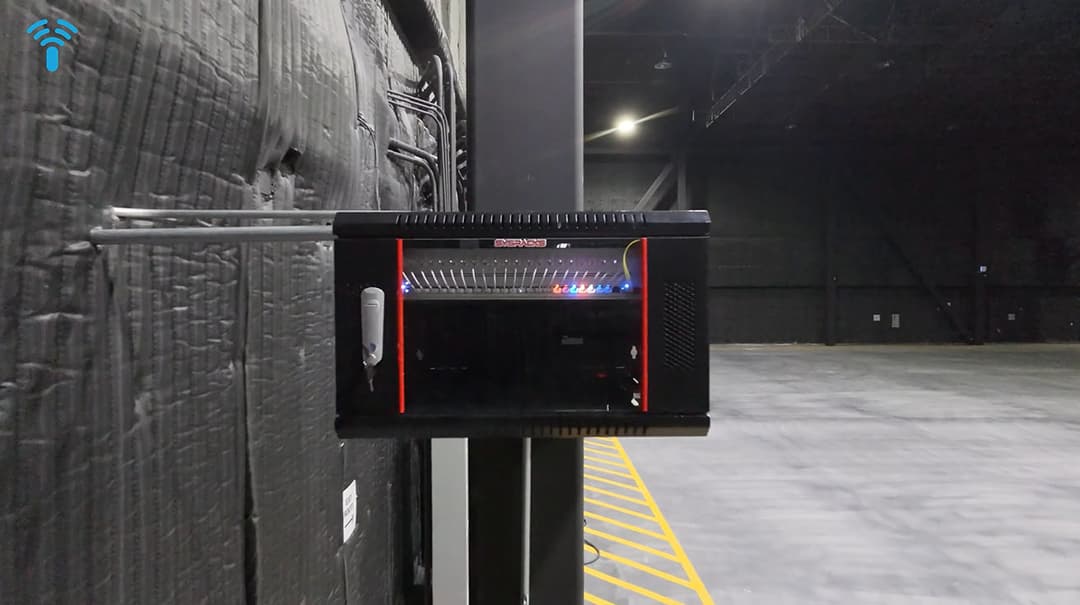
Furthermore, we dropped heavy-duty dual Ethernet plates at targeted stage locations. This layout gives visiting engineering crews direct, uncompressed access to a hardwired 10 Gbps network lane. When managing an active movie production or routing a live multi-camera broadcast stream, a dedicated physical data drop is mandatory to guarantee signal timing.
Every remote IDF connects back to the MDF via multi-strand armored fiber optic lines. While the current generation of switches uses a 10 Gbps link, the physical fiber backbone was spliced and certified to be 25 Gbps-ready. When the studio expands its production tech in the future, the owners can scale the site speed instantly by swapping out the terminal optics without opening the walls to run new cable infrastructure. Building a multi-gigabit foundation like this follows the exact engineering workflow we applied during our comprehensive enterprise network modernization for K-12 campus environments.
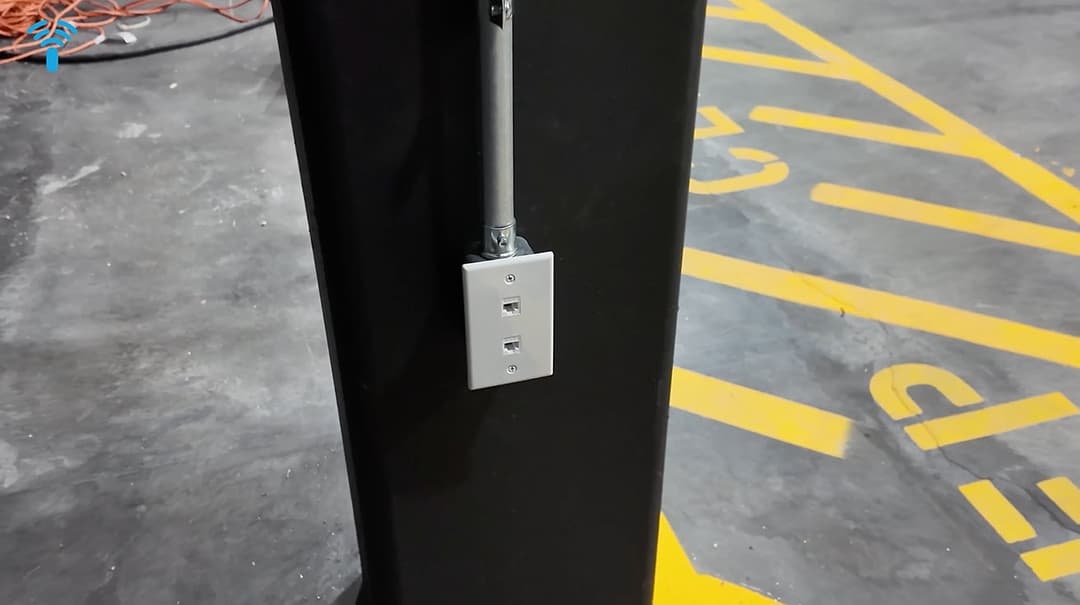
Office Area Distribution Frame Setup
The architecture demands on the second floor, which houses the administrative suites, editing bays, and shared talent greenrooms, required an entirely different switching strategy than the raw sound stages below. Here, we deployed a specialized dual-switch IDF matrix containing one USW-Pro-XG-24-PoE stacked alongside a high-capacity USW-Pro-Max switch.
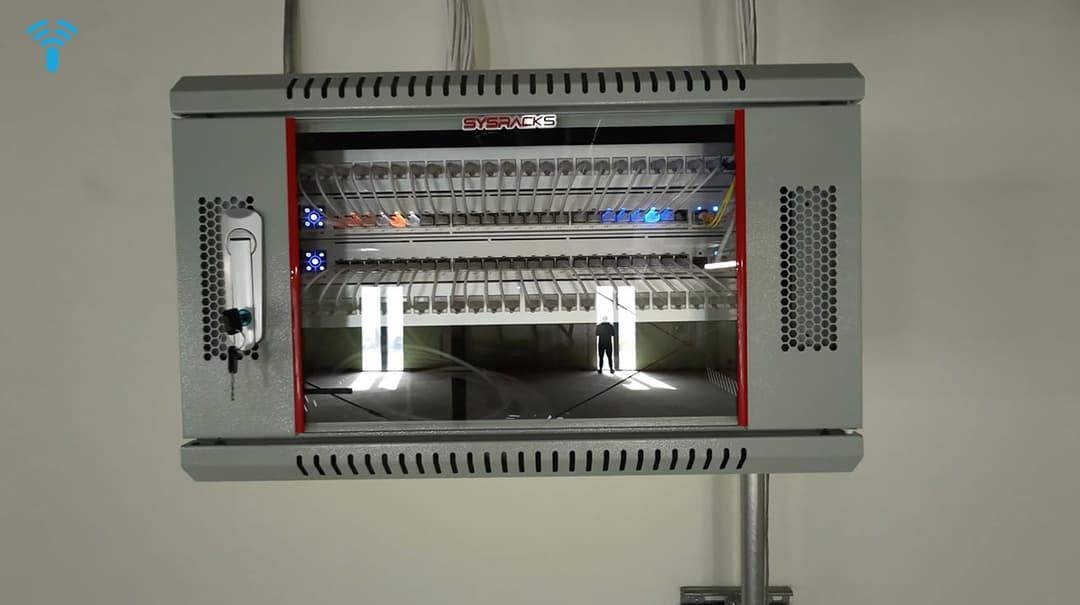
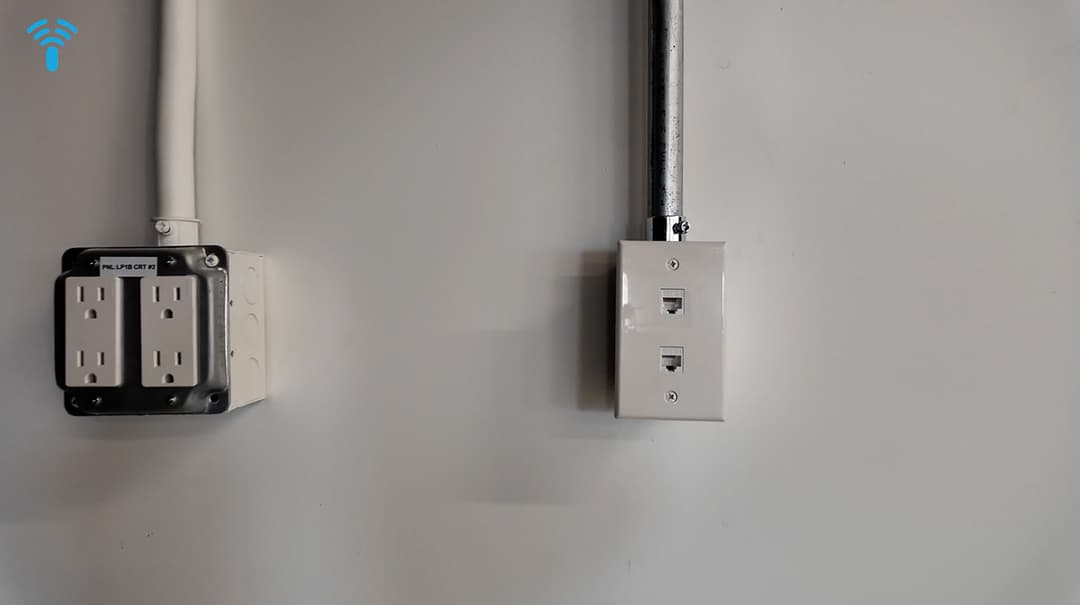
This specific configuration handles a smart traffic-splitting routine. The Pro XG switch manages the high-bandwidth fiber backhaul links and routes data out to the second-floor enterprise access points. Concurrently, the Pro Max switch handles the high-density low-voltage distribution, driving the local data wall plates and powering the extensive exterior surveillance network mounted along the building’s upper rooflines.
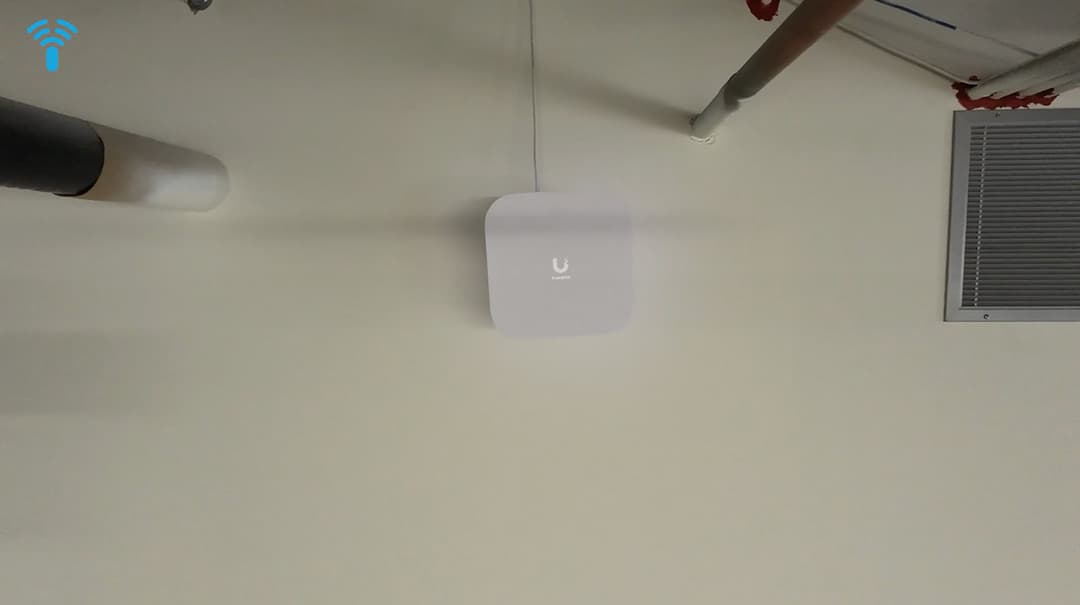
By physically separating heavy IP camera video streams onto independent switching layers, we ensure that continuous security data never cuts into the internal administrative subnets. This strict isolation strategy mirrors the high-performance network engineering layout we implemented for a 24/7 food production facility upgrade.
Camera Deployment and Active Deterrence
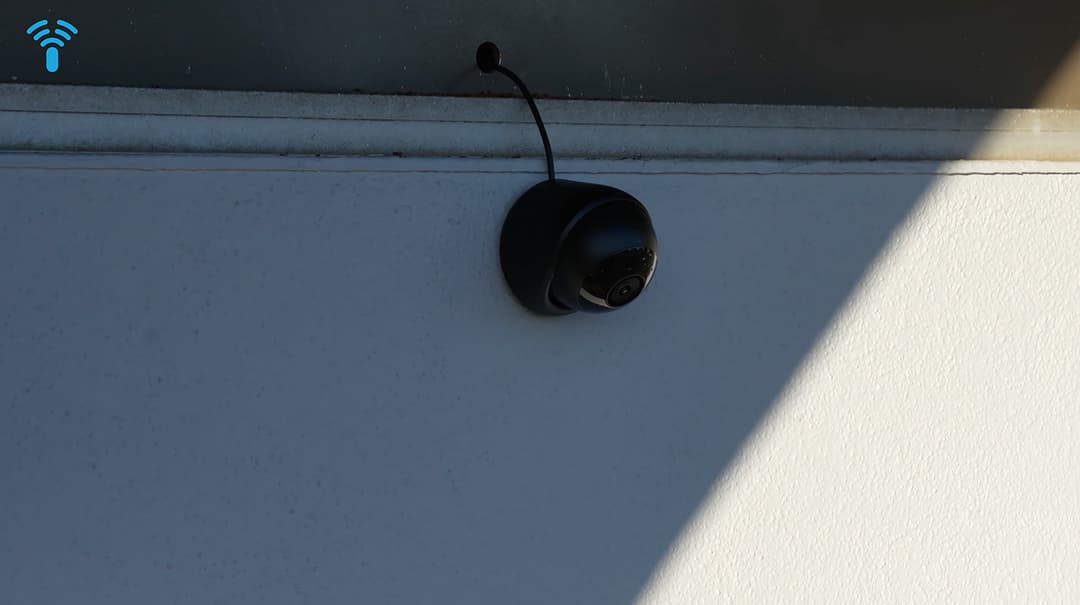
Perimeter safety at a major commercial venue demands a system that moves beyond passive video recording into real-time breach prevention. To achieve total visibility, we positioned rugged UniFi Video Camera G6 Turret units along the external walls, pairing them directly with high-output UniFi Protect AI Horn Speakers.
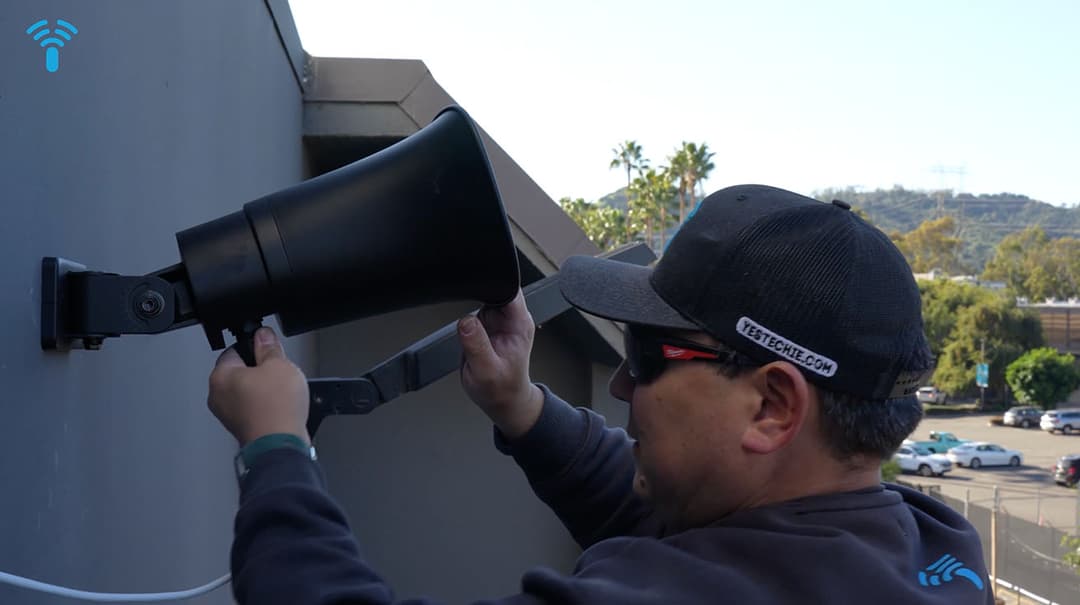
Using the advanced rules engine inside the UniFi Protect Alarm Manager, we built a highly responsive active deterrence perimeter. The system runs real-time edge AI object classification models. If an unauthorized individual moves past a virtual boundary line into a restricted zone during locked hours, the system detects the anomaly instantly. Instead of simply generating a silent alert, the console automatically commands the nearest AI Horn Speaker to play a loud, pre-recorded verbal warning. This active warning stops trespassers before they can attempt a physical breach.
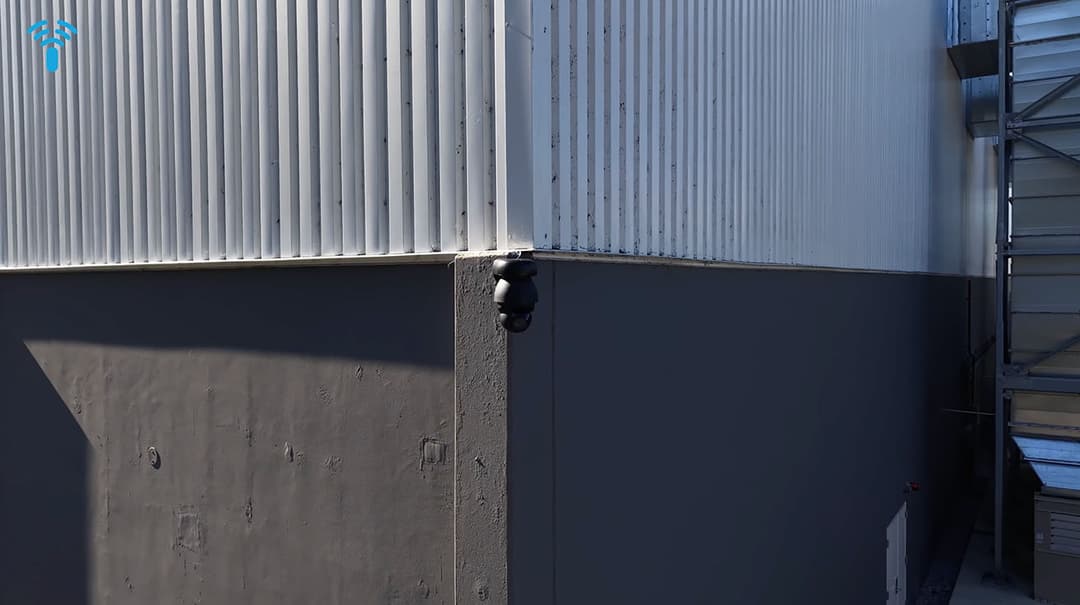
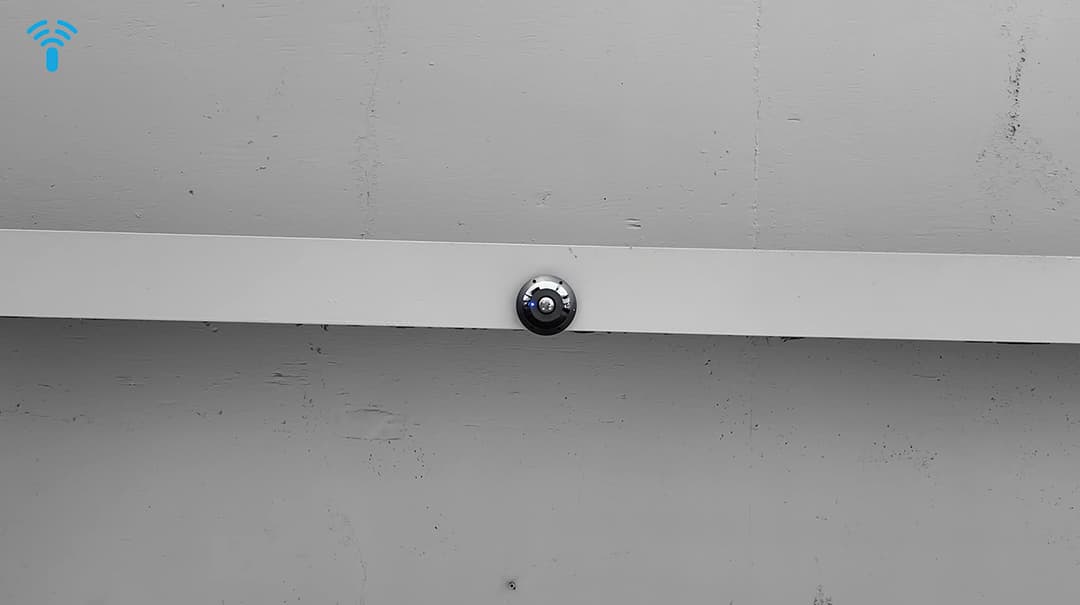
For long-range tracking, we deployed motorized UniFi Video Camera AI PTZ Industrial units on every structural corner of the building, providing a 360-degree sweep of the approaching streets. In the loading bays, where expensive production gear is regularly loaded in and out, we installed panoramic UniFi Video Camera G6 Pro 360 fisheye units.
These lenses capture a complete, uninterrupted panoramic view of the entire bay, removing the blind spots common with traditional fixed bullet housings during frantic load-in windows. This multi-layered defense matches the structural standards we used to secure a high-risk logistics facility perimeter.
Access Control System Demonstration
Managing physical brass keys for a rotating roster of commercial tenants, security crews, and external event promoters is an operational impossibility. We solved this logistical bottleneck by deploying a campus-wide UniFi Access system.
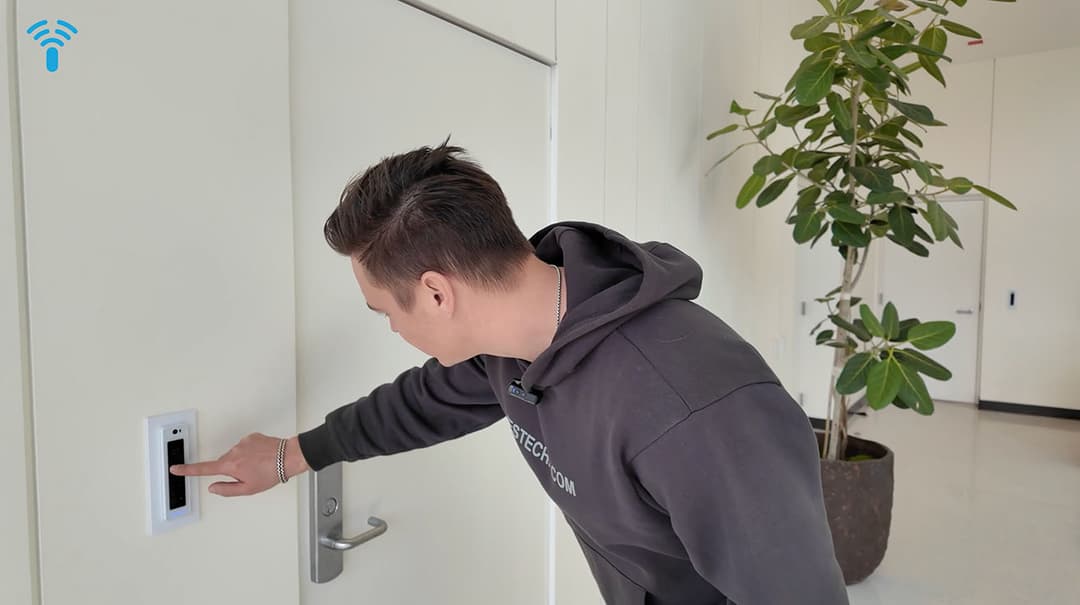
Every perimeter door and interior stage entrance is equipped with an IP-rated UniFi Access G3 Reader Pro. The locking hardware was engineered using commercial-grade 12V Assa Abloy electronic strike and mortise configurations.
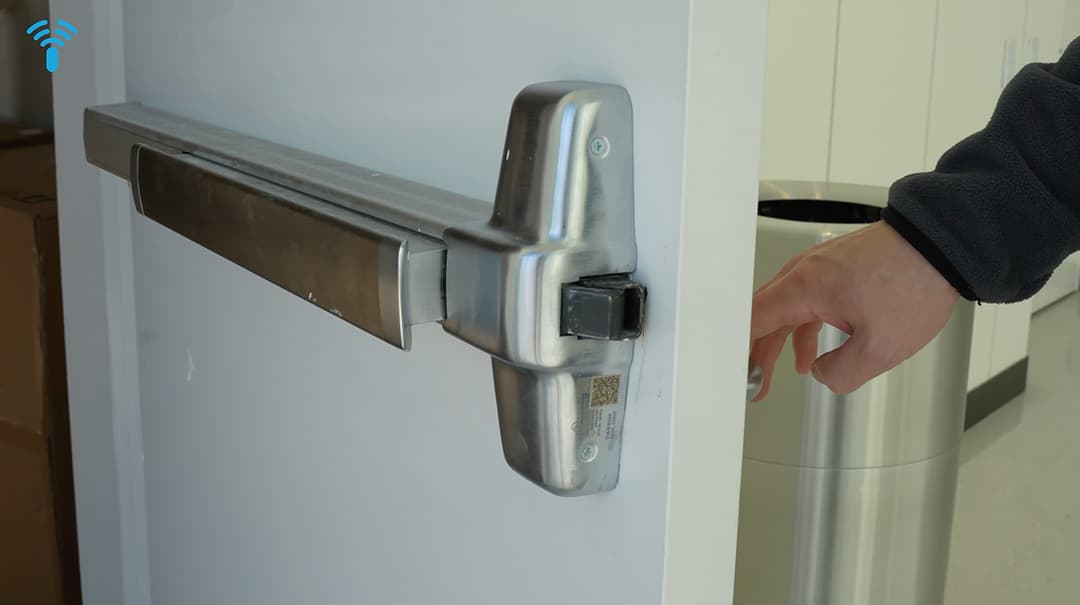
Our technicians configured every automated door circuit to operate in a strict fail-secure state. If the facility undergoes a sudden power disruption, the electronic strikes remain locked from the outside, keeping the perimeter secure against opportunistic entry. However, every exit path features a heavy-duty mechanical push bar on the internal side of the door frame. This configuration guarantees immediate, unhindered mechanical exit at all times, keeping the facility fully compliant with local fire safety codes while maintaining absolute external protection.
Main Distribution Frame and Core Rack
The heart of the facility’s digital network sits inside the Main Distribution Frame server room. This central node houses the master equipment rack that aggregates and controls every active device across the entire property.
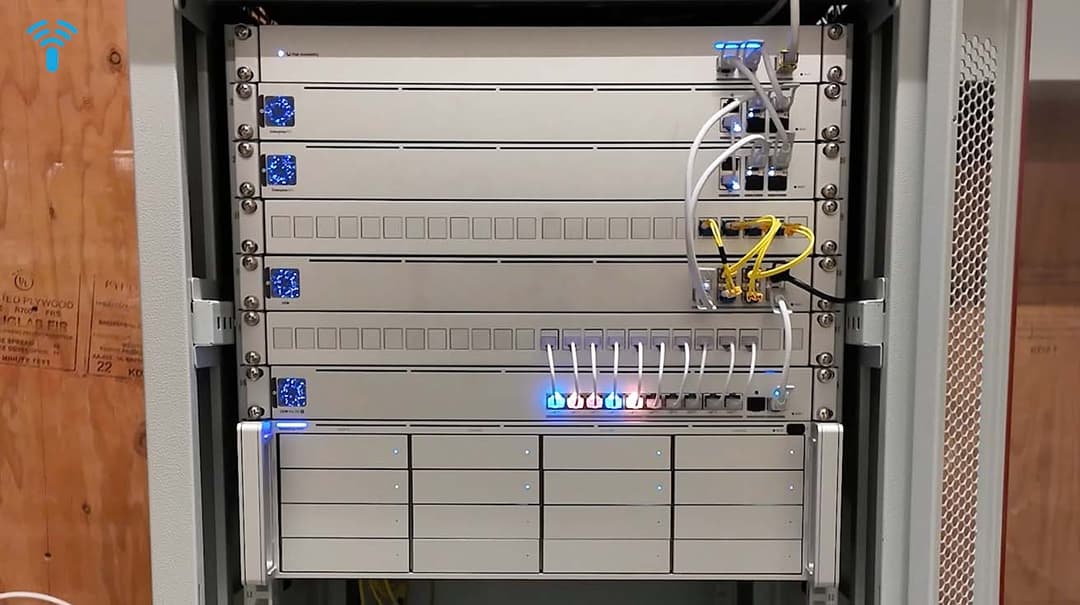
Routing security is handled by two high-performance Enterprise Gateways running in a High Availability Shadow Mode cluster. Both routers share a virtual state; if the primary unit undergoes a sudden hardware failure, the secondary shadow gateway takes over the global network load instantly. This failover happens in milliseconds, ensuring the venue maintains its internet connection during live national broadcasts.
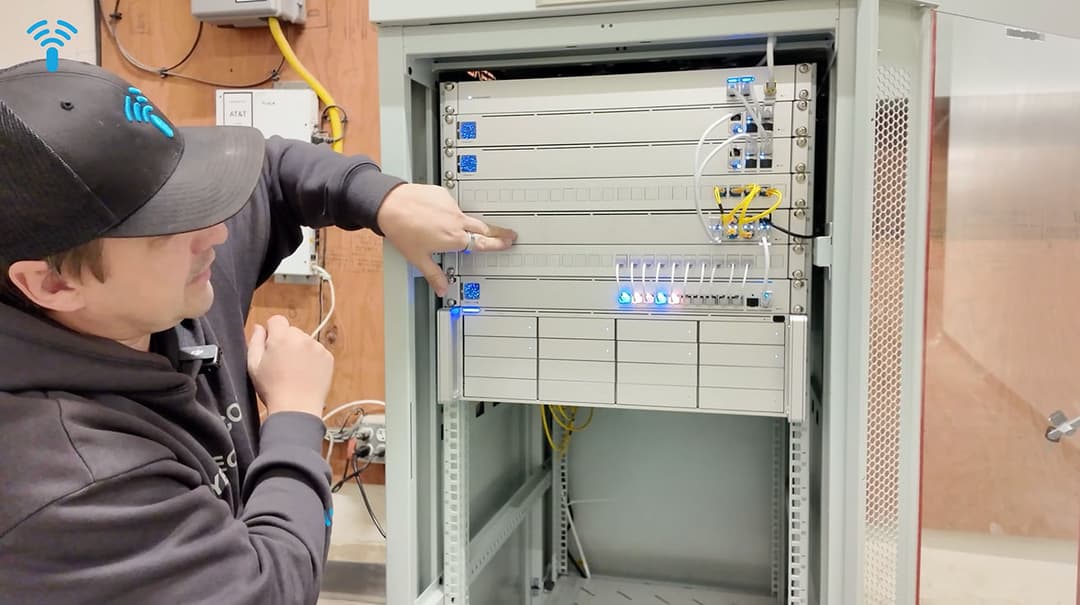
The central fiber aggregation is managed by a high-density UniFi Pro Aggregation switch, which distributes 10 Gbps and 25 Gbps links out to the sound stage and office IDFs. All video records and access logs terminate inside a high-capacity UniFi Network Video Recorder Enterprise (UNVR-Enterprise). We left ample rack space directly beneath the core routing hardware for an automated Uninterruptible Power Supply (UPS) battery array, guaranteeing that the network core, camera network, and door controllers remain fully operational during a municipal grid failure.
Venue Versatility & Event Customization
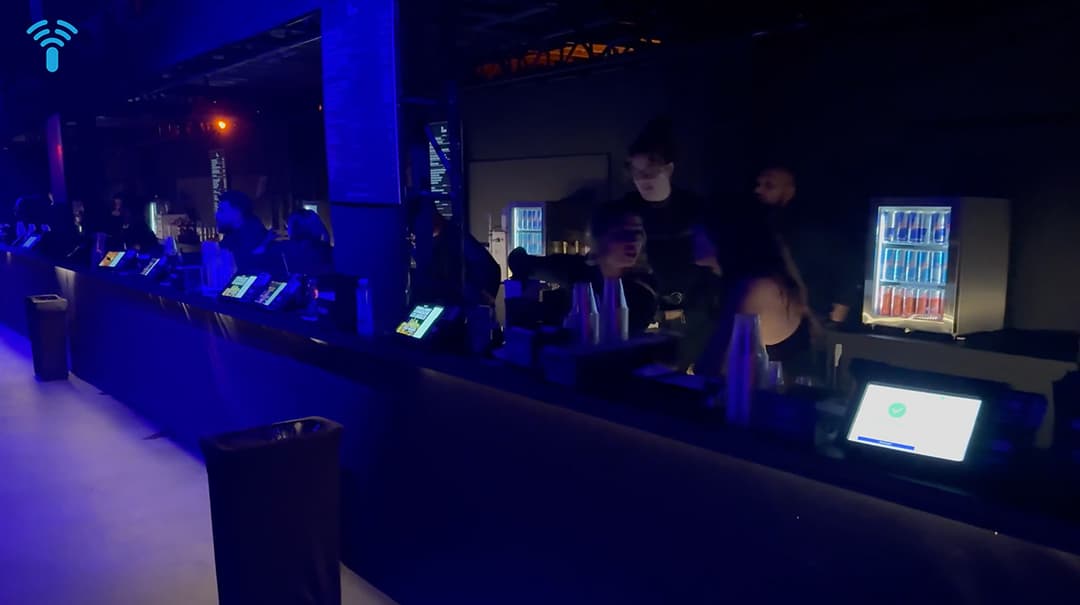
The true proof of a high-density network deployment lies in its real-world performance under heavy operational stress. Immediately after our field technicians signed off on the system config, BlueGround Studios handed the keys to an expansive music festival production managed by Reframe.
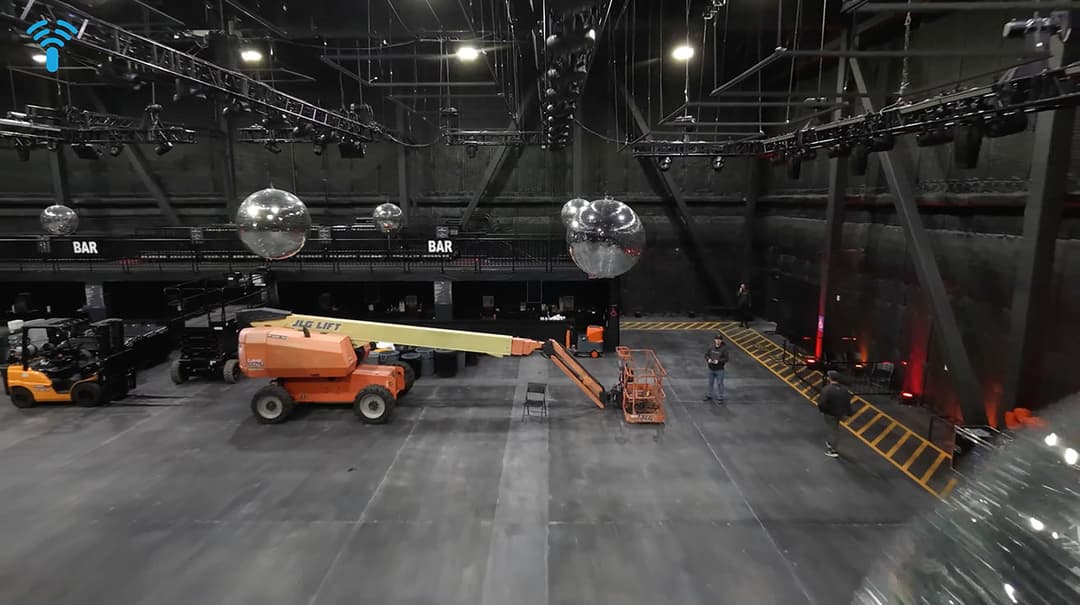
Over the weekend, the raw sound stages were converted into a high-tech visual effects nightclub. The underlying network infrastructure adapted to the massive deployment change instantly.
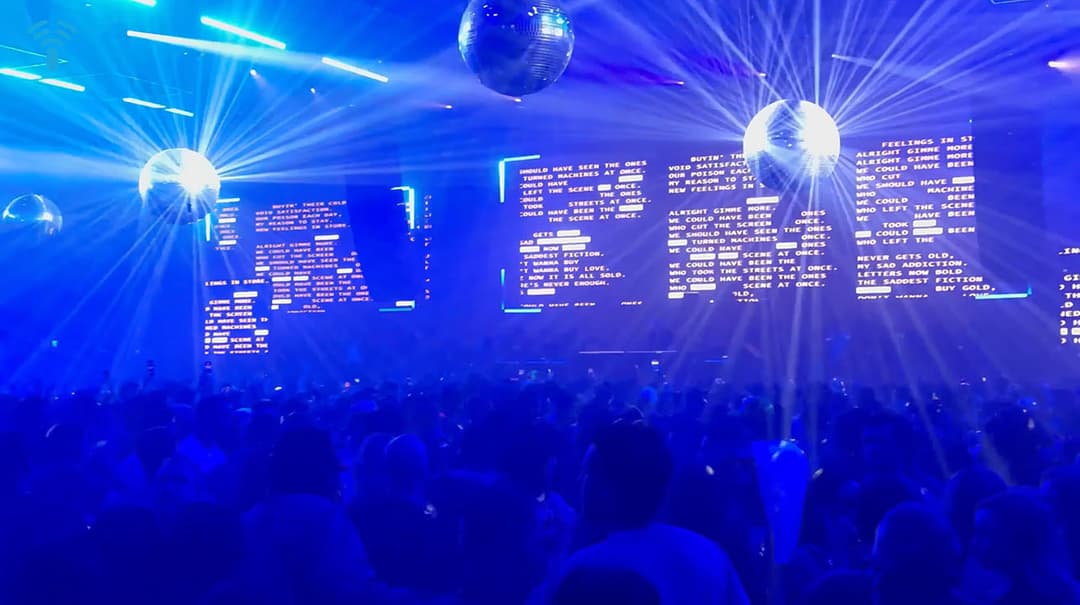
The busy bar installations deployed mobile point-of-sale (POS) terminals, and incoming food trucks required instant data connectivity. We paired all these transactional sales devices with the high-ceiling E7 Campus APs. Over on the main performance stage, a massive multi-tier LED video wall and specialized lighting control decks required direct, low-latency communication lanes to sync complex visual elements.
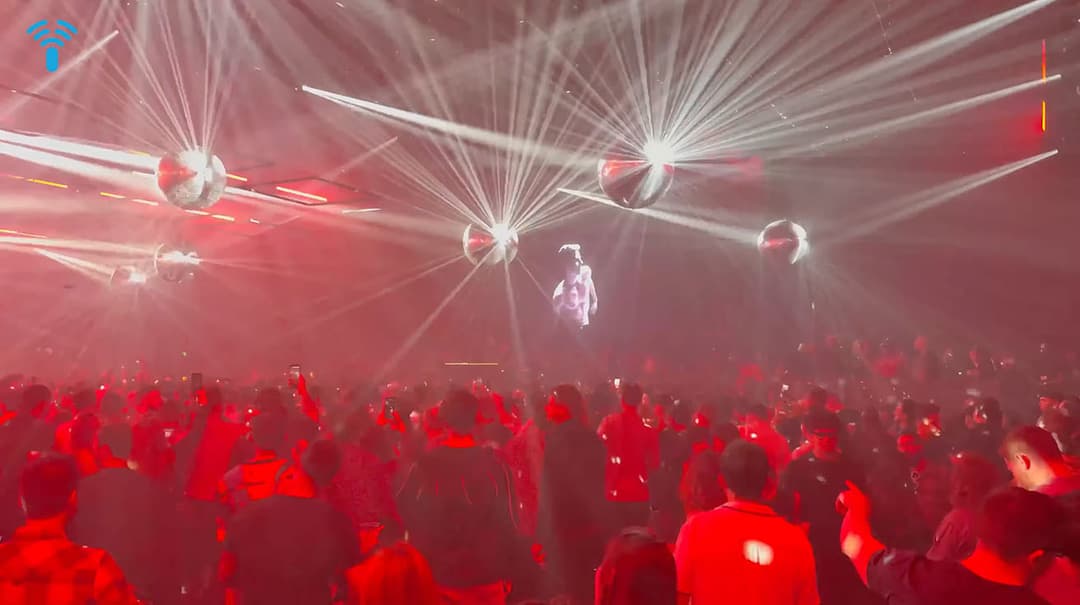
Because the low-voltage foundation was engineered with high-throughput capabilities, the event production team spun up custom layouts across the stages without needing to touch a single physical wire, a flexible approach similar to our turnkey infrastructure upgrade for a modern fulfillment center.
System Integration & Tailored Network Configuration
Our engineering mandate was to provide the building owners with a clean, programmatic handoff. When a production company signs a short-term lease for the venue, they receive access to a powerful digital utility that is fully isolated and secure by default.
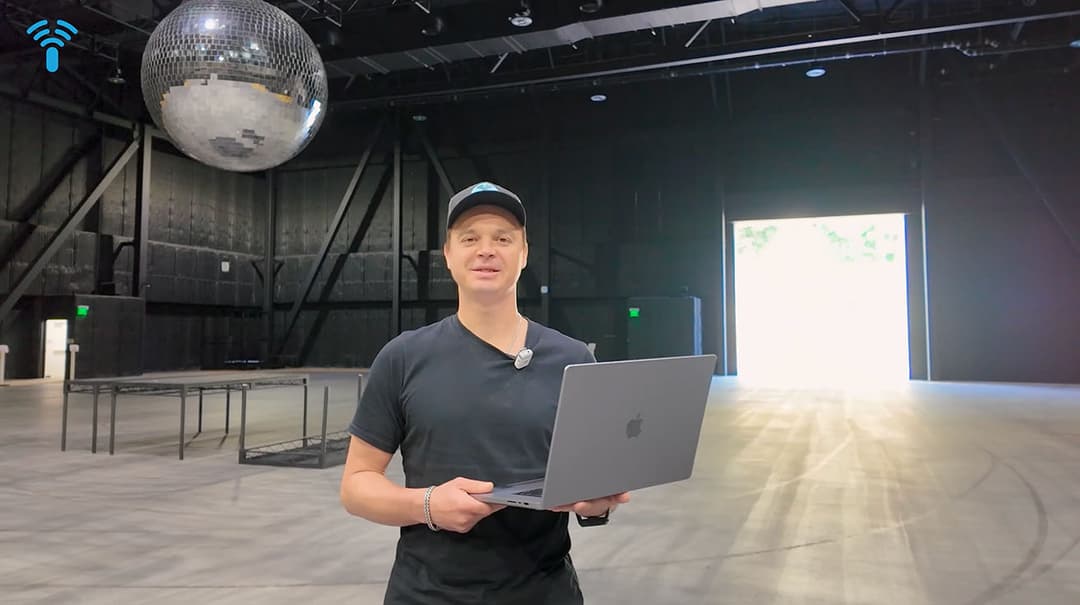
We structured this deployment by dividing the network into independent Virtual Local Area Networks (VLANs), using strict quality-of-service rules to ensure heavy data traffic in one zone can never compromise critical systems in another:
- POS Terminals & Transactional Subnets: Payment processing data runs on its own isolated lane. Credit card transactions execute instantly, completely unbothered by the thousands of festival guests sharing the general Wi-Fi network.
- Visual Effects (VFX) & Production Crews: Digital media technicians regularly move massive 4K video files between editing bays and the stage. We allocated a dedicated high-bandwidth lane for their gear, preventing heavy data transfers from lagging the rest of the facility.
- Artist & Talent Wi-Fi Infrastructure: High-profile performers demand absolute privacy. We deployed an isolated wireless network for talent profiles that is completely locked down from guest and standard staff subnets.
- Operational Security Core: Every surveillance camera, Access Hub, and door reader runs on an isolated security VLAN. This layer blocks unauthorized local devices from accessing video streams and keeps the security backbone running smoothly during peak network use.
System Performance & Festival Success
The initial operational stress test during the Reframe music festival was a flawless success. While hundreds of attendees packed the venue and production teams pushed massive video packages over the lines, the UniFi infrastructure maintained optimal performance.
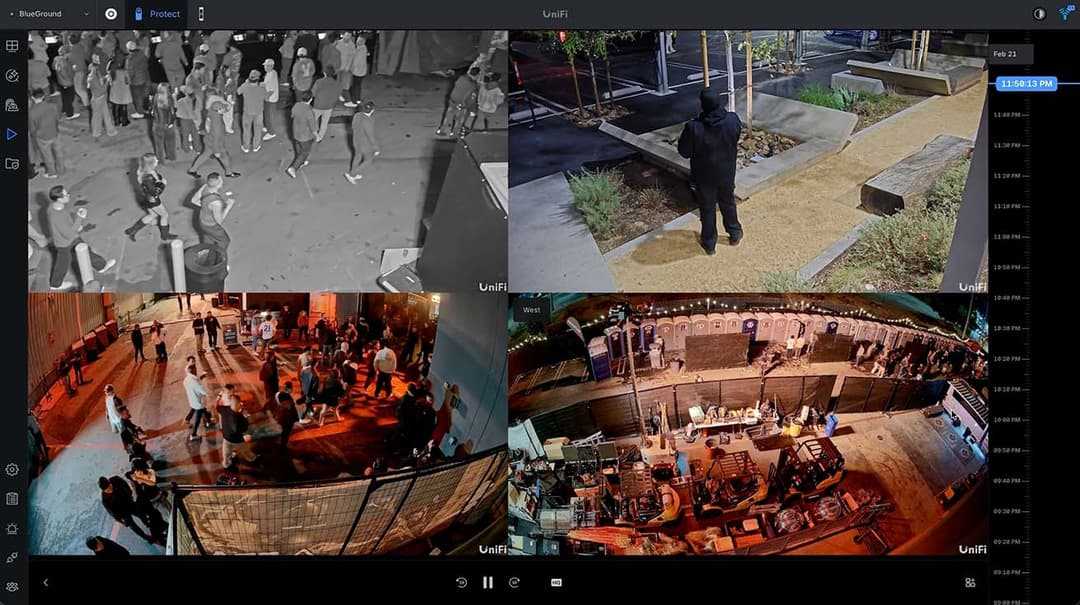
The network ran with zero packet drops, zero port latency, and zero connection dropouts. The studio ownership now holds a powerful digital asset that adds massive real-world value to their commercial rental portfolio.
Partner Perspective
Oleg Bordiian, Founder of Pipl Systems, visited the completed Los Angeles deployment to audit how this low-voltage network directly drives real-world business outcomes. He observed that the real triumph of the project was changing a raw industrial space into a sophisticated digital product:
"The owners of a large venue wanted to turn an empty industrial space into a ready-to-rent facility for concerts, festivals, film productions, and major events. But for that to work, the digital infrastructure had to be as reliable as electricity.
A building that had no infrastructure is now a plug-and-play venue where organizers can arrive, connect, secure their teams, and start working within minutes. What I love about projects like this is not just the technology itself. It’s the business outcome."
— Oleg Bordiian, Founder of Pipl Systems (Review the full deployment brief via Oleg's Professional Low-Voltage Network Audit on LinkedIn).
Final Thoughts
At BlueGround Studios, our work moved past basic cable pulls and camera placement. We constructed a highly reliable digital utility asset. The building management can now market a true plug-and-play commercial venue where network speed, device isolation, and physical perimeter safety are fully guaranteed.
By combining dual high-availability enterprise gateways, a 25G-ready fiber optic backbone, and a unified software management platform, we ensured this infrastructure will reliably protect and power the studio through decades of high-scale events.
Field Tour: Watch the System Deployment
To see this entire multi-tier network deployment from the field and review the operational layout inside the MDF core room, watch our full on-site walk-through video here:
Contact YesTechie
Our low-voltage contracting team delivers comprehensive, high-capacity IT infrastructure solutions designed for commercial event venues, industrial manufacturing facilities, and corporate spaces. We specialize in high-density network architecture, fiber optic distribution, and edge-AI security platforms.
- Main Portal: yestechie.com
- Project Intake: Schedule an On-Site Technical Engineering Consultation
- Core Field Specializations: High-Density Network Engineering • Certified Ubiquiti Infrastructure Design • Industrial Low-Voltage Conduit & Fiber Splicing • Enterprise Wireless Coverage • AI Perimeter Surveillance Matrices • Encrypted Electronic Access Control • Integrated Commercial Intercom Systems
To purchase the exact Ubiquiti hardware assets used throughout this studio modernization project, you can source your inventory directly through our verified link: Official Ubiquiti Enterprise Hardware Store.
FAQ: Technical Infrastructure & Venue Integration
Why are the Enterprise Gateways deployed in a High-Availability Shadow Mode?
Commercial live events and high-definition broadcasts cannot tolerate network downtime. Shadow Mode links two identical enterprise gateways in a stateful cluster. If the primary routing unit experiences a hardware issue or power failure, the secondary shadow gateway assumes the global network load instantly. This automatic failover happens without dropping active sessions, keeping payment terminals and broadcast streams online during an incident.
What are the long-term advantages of installing a "25 Gb-ready" fiber backbone?
We installed multi-strand armored fiber optic runs capable of handling 25 Gbps speeds (and higher) between the central MDF core and all remote sound stage IDFs. While the current deployment uses 10 Gbps SFP+ optics, the physical glass infrastructure is already in place. When the studio upgrades its hardware to support next-generation production tech, they can scale the network speed instantly by changing the terminal transceivers without running new cables through the walls.
How does the network maintain security when temporary event teams connect their own hardware?
We use strict network segmentation built around virtual local area networks (VLANs) and isolated SSIDs. When a new tenant rents a sound stage, they are assigned a distinct, firewalled data slice. They get independent wireless networks and dedicated physical ports that have no lateral visibility into the building’s core administration, surveillance infrastructure, or neighboring tenant subnets.
What happens to the automated door locks during a major power failure?
Every electronic entrance lock on this property was configured to operate in a strict fail-secure state using 12V Assa Abloy hardware. If power to the site is cut, the door mechanisms remain physically locked from the outside to prevent unauthorized entry. However, every door houses a mechanical push bar on the secure side, allowing occupants to exit instantly at any time. This design meets fire safety codes while maintaining facility protection during a power disruption.
How does Active Deterrence function via the Protect Alarm Manager application?
Active Deterrence changes a security network from a passive recording tool into an automated perimeter guard. By linking smart cameras to high-output UniFi AI Horn Speakers, we create customized detection rules. The moment a camera's edge processor identifies a human crossing a virtual line in a restricted zone after hours, it sends a direct trigger to the horn speaker to play a loud, pre-recorded verbal warning, stopping intruders before they can touch a door or window.


.svg)