UniFi Truck Yard Security System: Yard-Wide WiFi, Gate Intercom Access Control, AI LPR & Multi-Zone Video Surveillance
Key Takeaways (Infrastructure Summary)
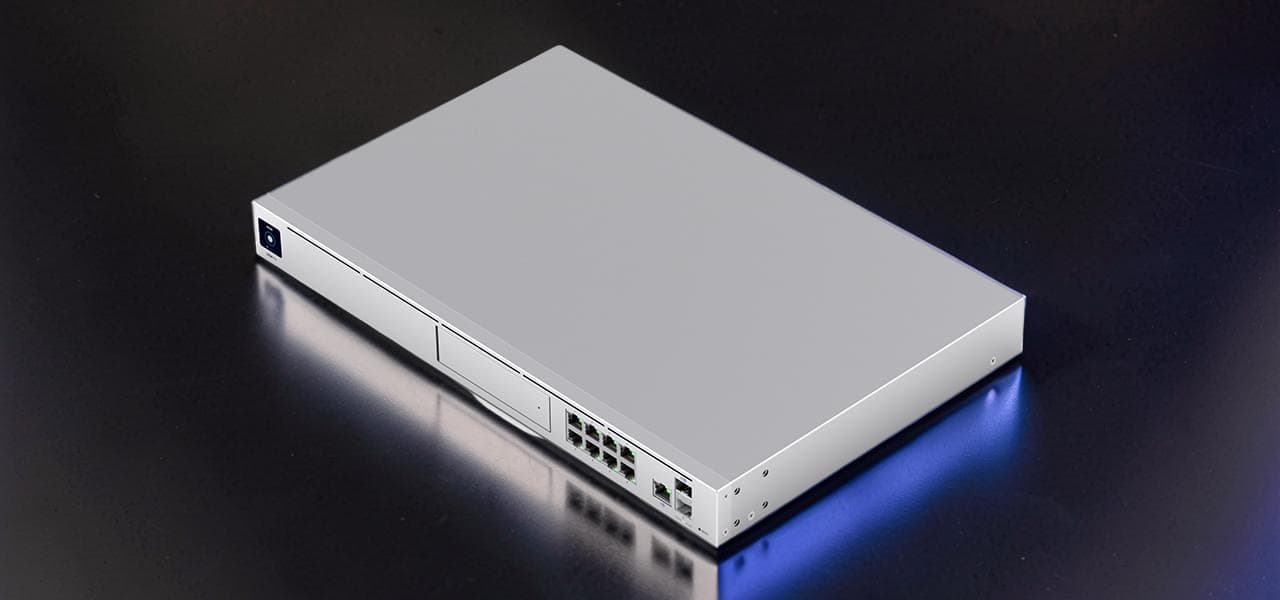
Securing a high-traffic logistics hub requires a specialized truck yard security system capable of handling heavy vehicle movement without relying on restrictive underground wiring. In this deployment, YesTechie replaced a failing third-party logging setup with a fully integrated UniFi Access, Protect, and Network ecosystem. By leveraging high-throughput wireless bridging via the
Device Bridge Pro, specialized AI-driven license plate recognition (LPR), and outdoorE7 Campusaccess points, we delivered complete perimeter security, gate automation, and yard-wide Wi-Fi coverage across a massive commercial property with zero underground conduits.

Project Blueprint
Facility Profile
- Property Type: High-Volume Commercial Trucking Yard & Maintenance Facility
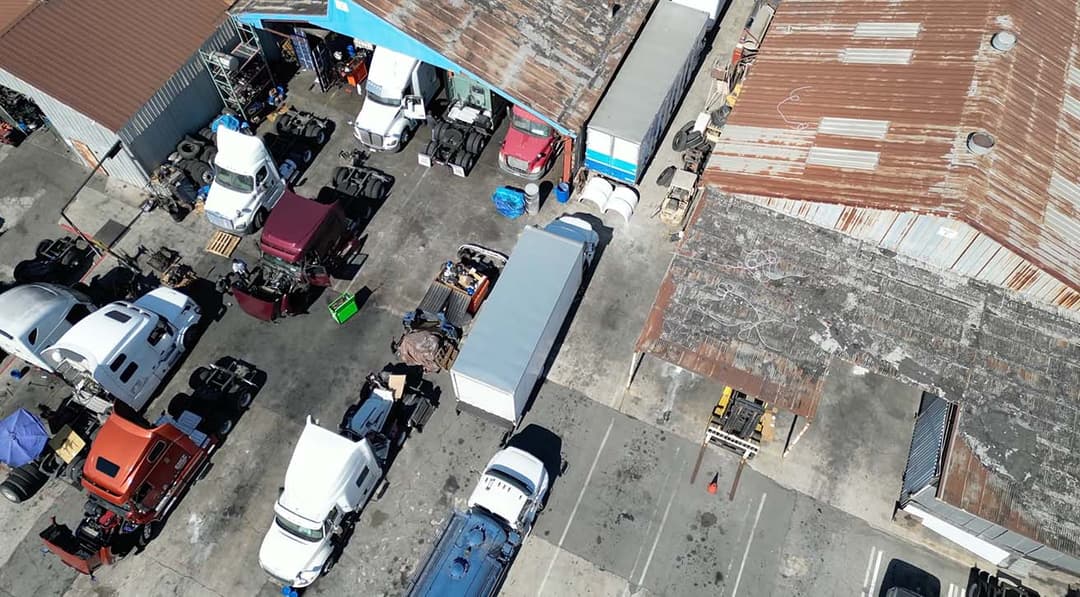
- Operations: Semi-truck parking, container/chassis leasing, tanker cleaning, and fleet repair
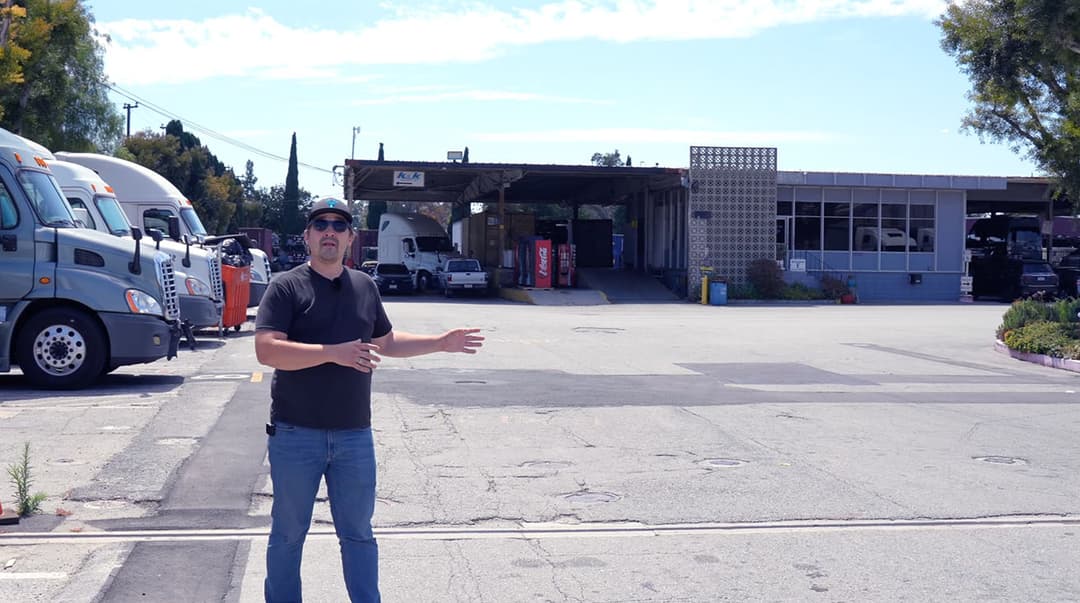
- Key Challenge: Lack of underground conduit across a massive paved lot, combined with severe nighttime headlight glare at the main gate.
Network & Wireless Backbone
- Main Wireless APs:
E7 CampusAccess Points deployed for yard-wide coverage and backhaul links - Wireless Bridging:
Device Bridge Pronodes connecting remote security booths and service stations - Switching Infrastructure: Localized PoE switches inside remote structures to power camera and access nodes
- Main Wireless APs:
Access Control & Surveillance Matrix
- Gate Control:
UniFi Access Hubpaired with a video intercom for after-hours driver entry - LPR Surveillance:
UniFi AI LPRcamera optimized for low-light license plate capture - Side-Profile Capture: Low-mounted 90-degree angle camera dedicated to USDOT and MC number logging
- Perimeter & Area Monitoring: Multi-camera array monitoring the main entrance, maintenance shop, and tanker cleaning bays
- Gate Control:

Project Scope: Securing a Massive Trucking Yard
Managing a high-traffic commercial logistics facility presents unique security and operational hurdles. This specific trucking yard operates as a multi-use commercial hub, handling semi-truck parking, chassis leasing, on-site fleet maintenance, and specialized tanker cleaning. With nearly 100 commercial trucks moving through the facility daily, the client required a robust truck yard security system to monitor entry points, secure the physical perimeter, and provide complete Wi-Fi coverage for field technicians using diagnostic software.
The client’s previous third-party logging system was unreliable and failed to meet operational expectations. They approached our team to engineer a unified solution using the Ubiquiti ecosystem. Key objectives for this deployment included:
- Automated Gate Access: Implementing an intercom-based gate control system for after-hours driver entry.
- Targeted Surveillance: Installing specialized cameras covering all high-value operational zones.
- Full Yard Connectivity: Delivering seamless wireless coverage across the entire paved lot.
Designing resilient infrastructure across large industrial sites parallels our engineering approach during commercial security camera installations for warehouse facilities, where mapping coverage and selecting weather-resistant hardware is essential for long-term stability.
Gate Access Control & AI LPR Camera Setup
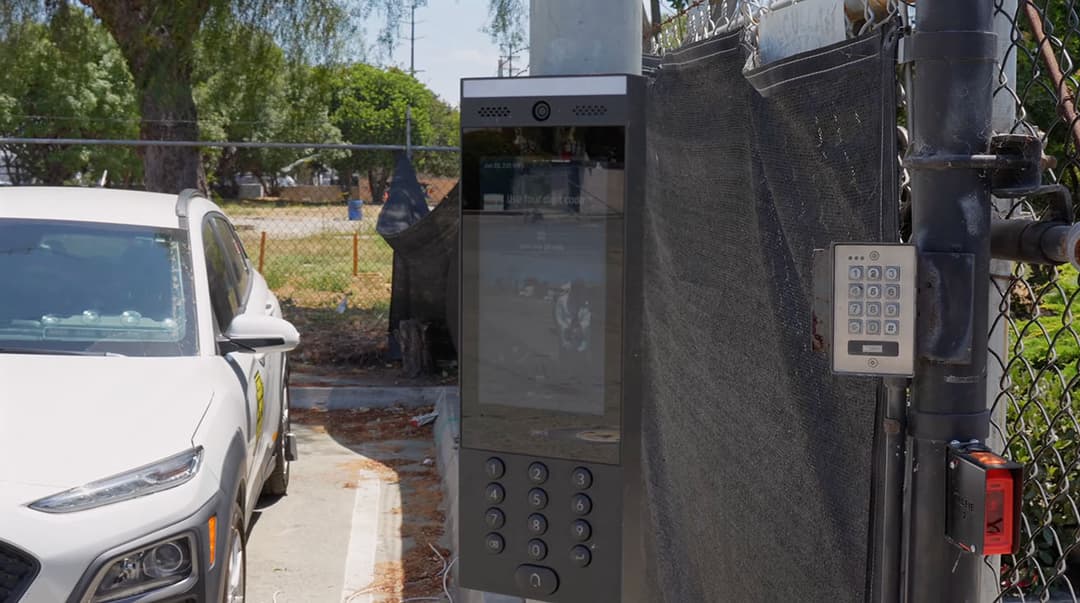
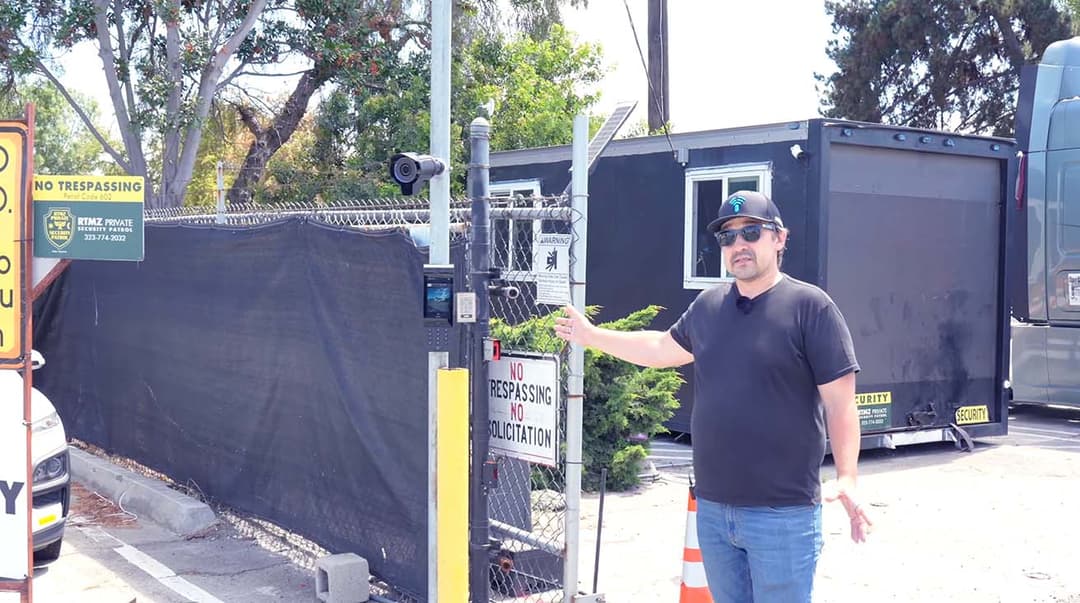
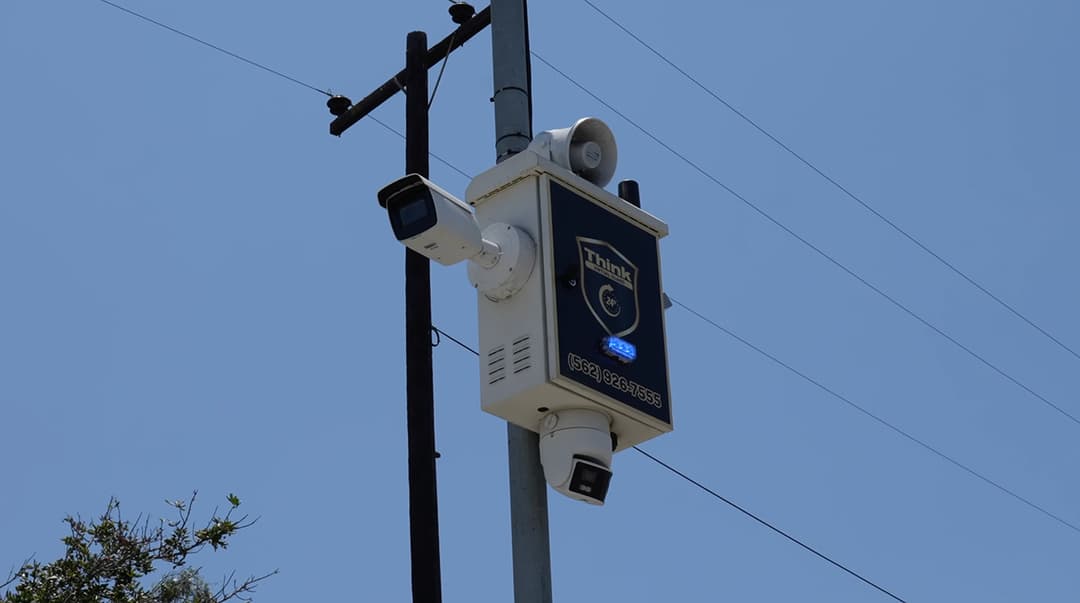
The main entrance is the operational heart of any commercial truck yard security architecture. To streamline entry for authorized drivers while maintaining strict perimeter security after business hours, we deployed a UniFi Access gate control system featuring a commercial video intercom. Drivers arriving after hours can authenticate directly or communicate with staff to gain entry without manual gate operation.
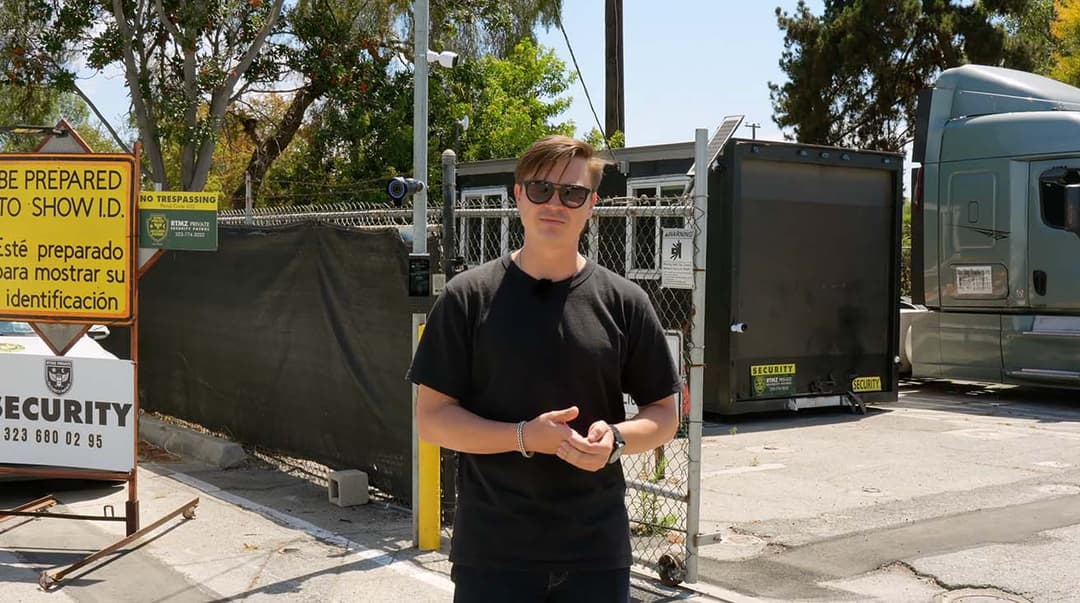
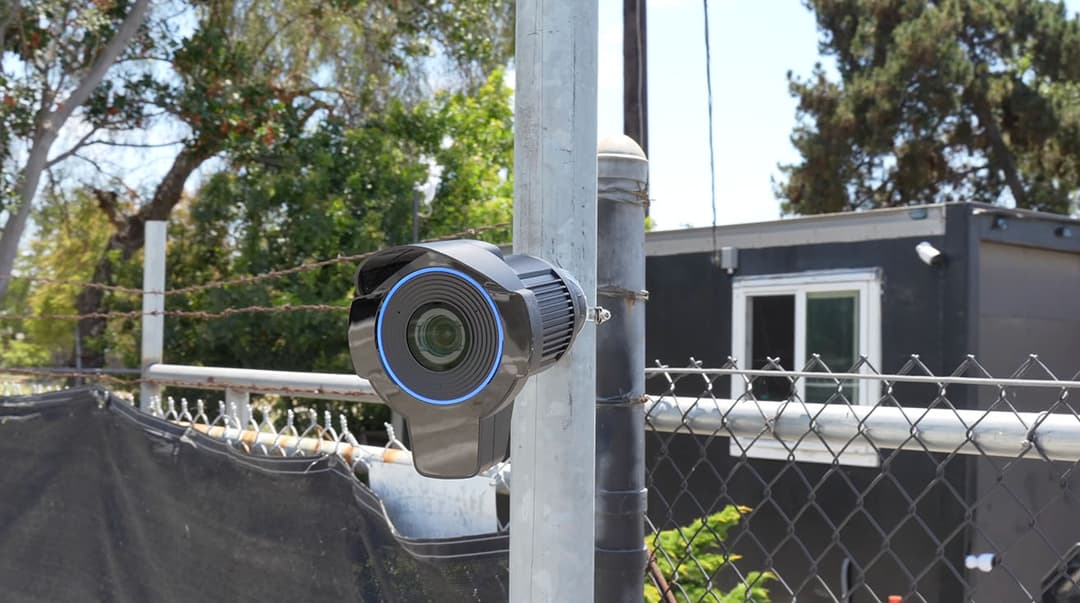
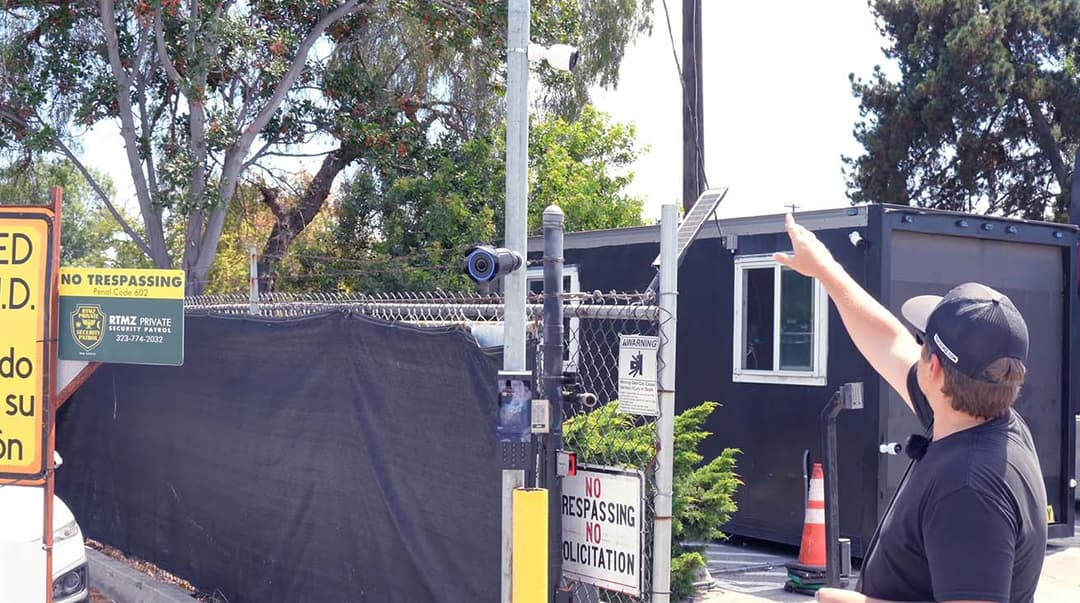
To capture all vehicle activity and establish a complete audit trail at the primary entry gate, we engineered a dedicated multi-camera gateway architecture connected directly to a localized PoE switch inside the security booth:
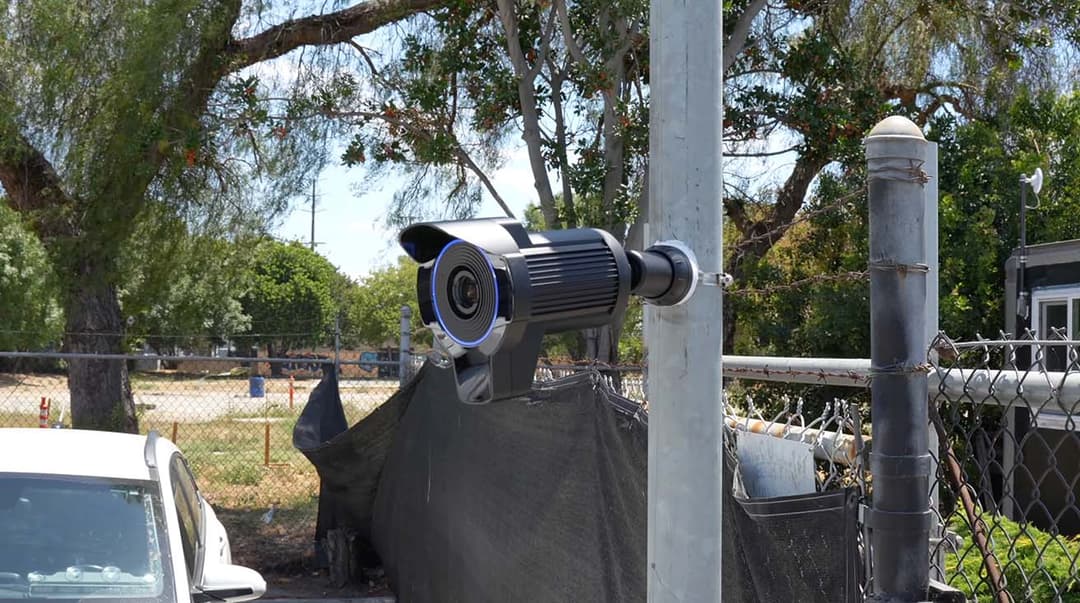
- Inbound License Plate Capture: A high-precision
UniFi AI LPRcamera aimed directly at incoming traffic to record license plates, even under harsh conditions. - Outbound & Yard Overview: A secondary camera positioned inward to monitor exiting trucks and record general activity around the gate area.
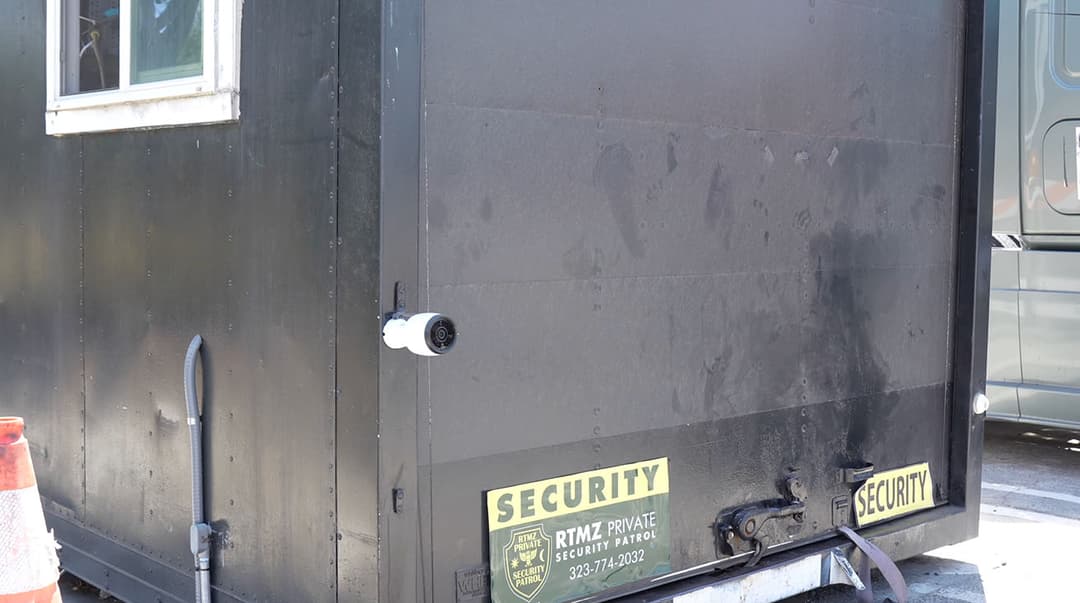
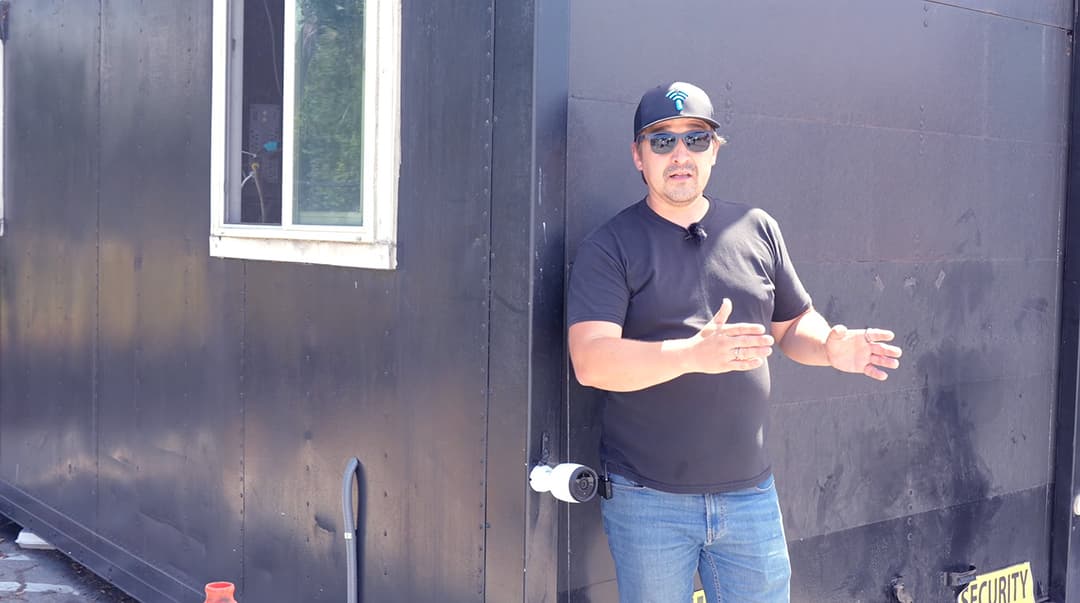
- Side-Profile USDOT/MC Capture: A third camera mounted on the guard booth at a 90-degree angle, positioned low at cab height to capture side-profile registration numbers (USDOT and MC) from entering trucks.
- After-Hours Entry Control: A commercial
UniFi IntercomandGate Access Hubenabling remote verification and automated barrier release for drivers.
Network Infrastructure: Bridging with Device Bridge Pro
Connecting security hardware across a multi-acre lot often presents a major installation obstacle: the absence of underground conduits. Running new trenching across heavy-paved asphalt to reach remote gates is cost-prohibitive and disruptive to daily logistics operations.
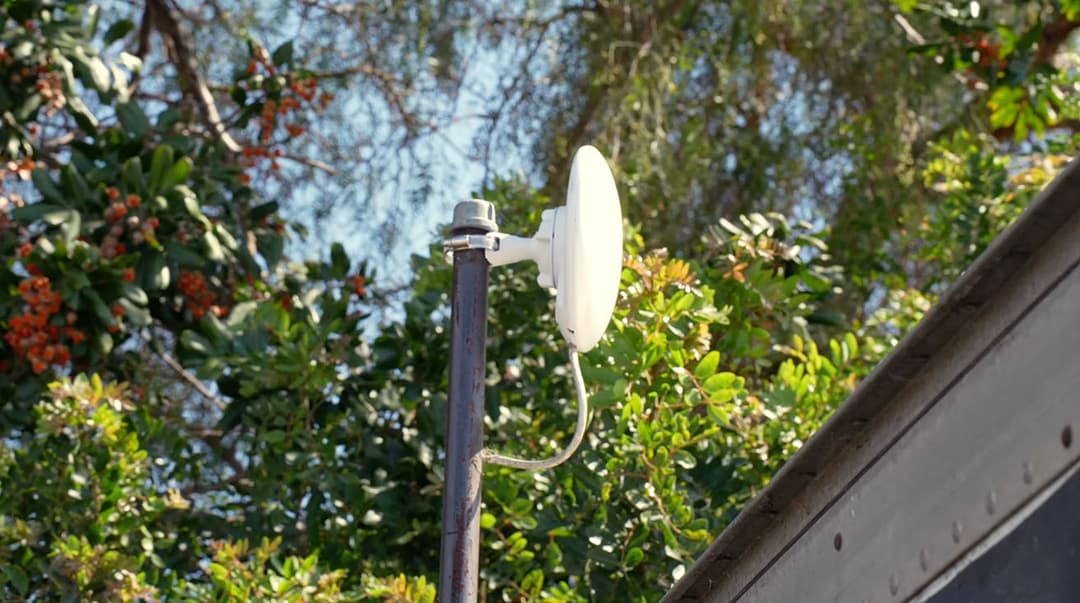
To solve this without cutting asphalt, we implemented a high-performance wireless bridging for commercial yards strategy:
- Remote Security Booth Nodes: The booth houses three surveillance cameras, the gate access hub, and the video intercom.
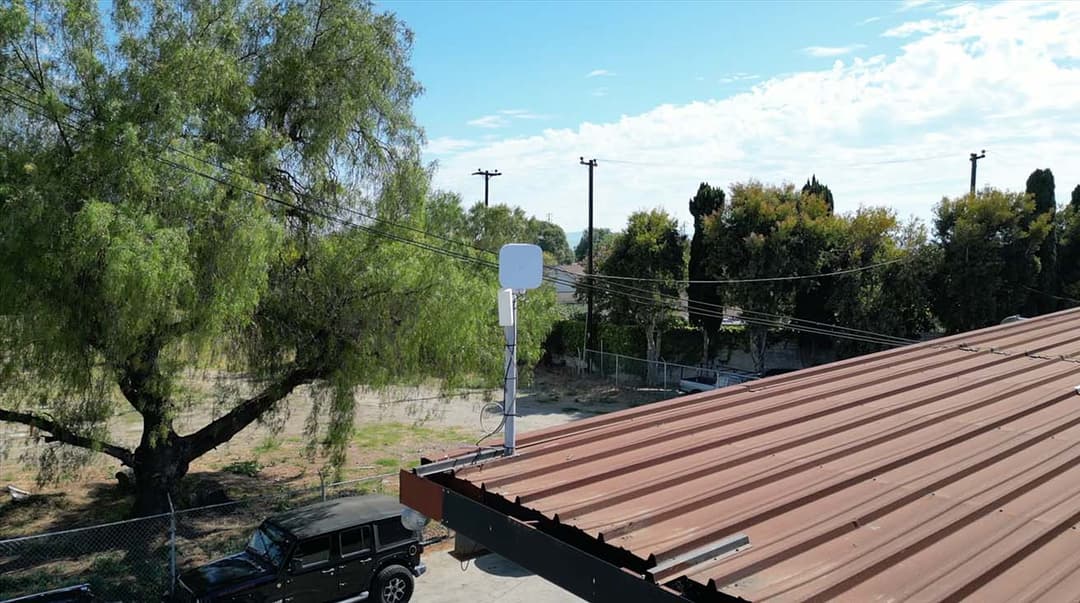
- Wireless Uplink: A
Device Bridge Proestablishing a high-throughput point-to-point wireless link directly back to anE7 Campusaccess point mounted on the main building. - Local Power & Switching: A localized PoE switch inside the booth to power all security nodes, delivering hardwired-level reliability across a completely wireless backhaul.
Office & Maintenance Shop: Wired and Wireless E7 Setup
The facility’s main office serves as the central administrative hub, requiring both hardwired Ethernet drops for desktop workstations and high-speed Wi-Fi. We installed a central UniFi switch inside the office cabinet to supply wired drops and powered an indoor E7 access point to handle administrative wireless traffic.
Directly adjacent to the office is the primary maintenance shop, where mechanics perform oil changes, engine diagnostics, and physical repairs on commercial fleets. The shop workflow requires reliable connectivity for the following operations:
- Diagnostic Tools: Mechanics utilizing laptops and diagnostic tablets while working around heavy steel chassis.
- Parts Tracking: Staff managing inventory and replacement parts on workstations inside the shop.
- Seamless Coverage: The internal
E7access point easily penetrates the shop bays, delivering strong Wi-Fi signals throughout the repair area.

Overcoming severe radio frequency (RF) attenuation caused by massive steel truck chassis, engine blocks, and metallic shop barriers requires precise RF spectrum management. Delivering zero-packet-loss Wi-Fi across active repair bays relies on the same high-density wireless network design principles we implement to isolate channels, eliminate co-channel interference, and guarantee maximum data throughput under heavy operational loads.
Tanker Cleaning Area: Wireless Bridging & Surveillance
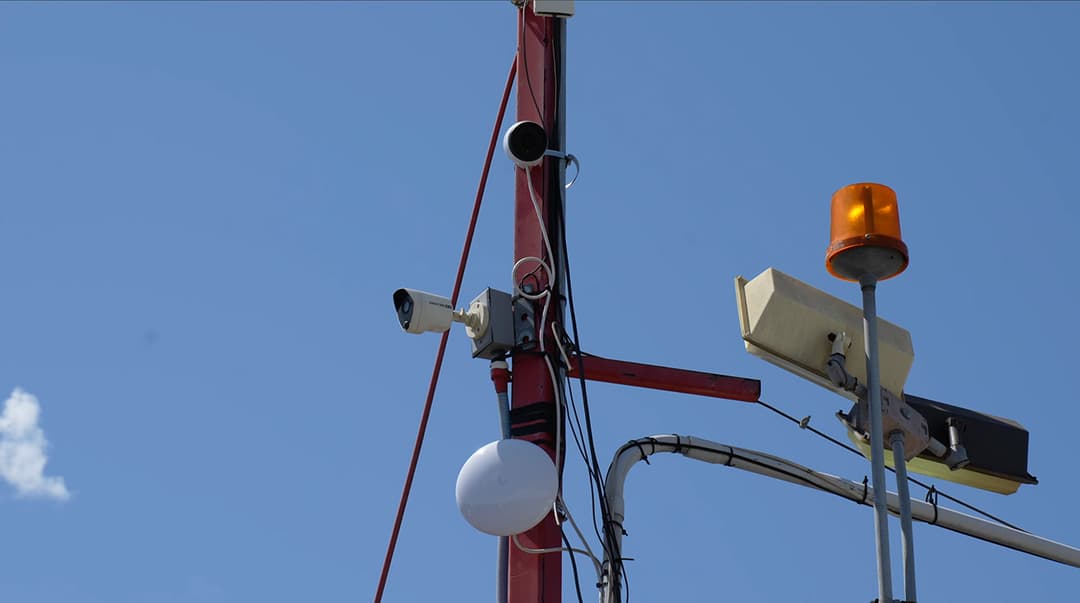
At the far end of the property sits the specialized tanker cleaning bay, another critical operational zone where staff process commercial liquid transports. Like the main guard booth, this remote station required data connectivity for desktop workstations and security coverage to log approaching vehicles.
We deployed another wireless bridge to connect the tanker cleaning booth to the core network:
- Local Switching & PC Connections: A localized PoE switch inside the booth providing hardwired network connections for desktop computers running management software.
- Targeted Surveillance: An outdoor camera focused on incoming vehicle pathways to record every approaching vehicle.
- Area Wi-Fi: An outdoor
E7access point mounted directly to the structure, extending seamless Wi-Fi coverage across the entire cleaning bay.
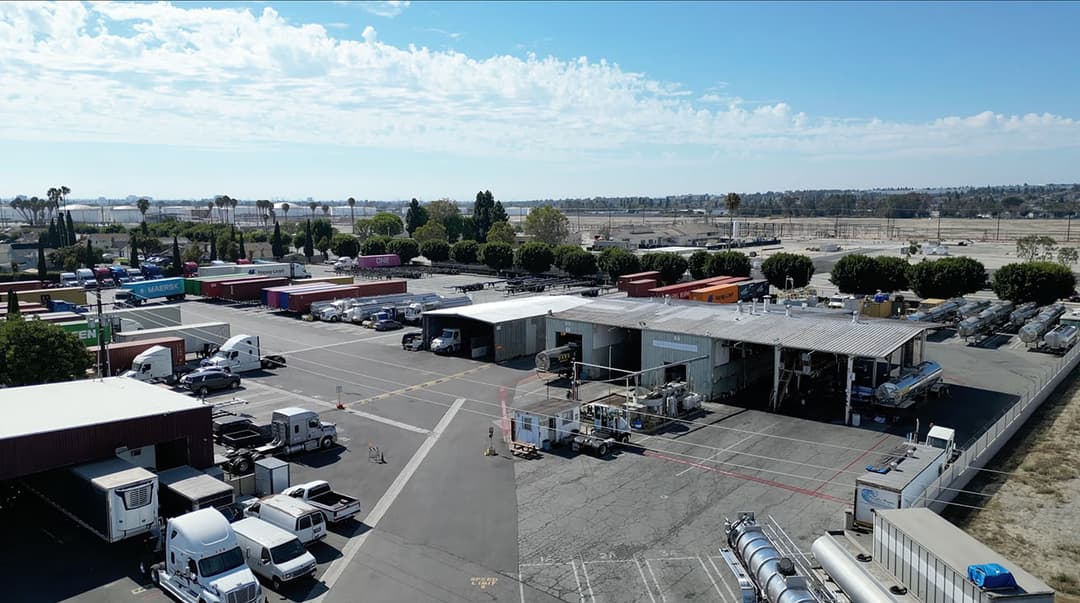
Testing Yard-Wide Wi-Fi Coverage with E7 Campus APs
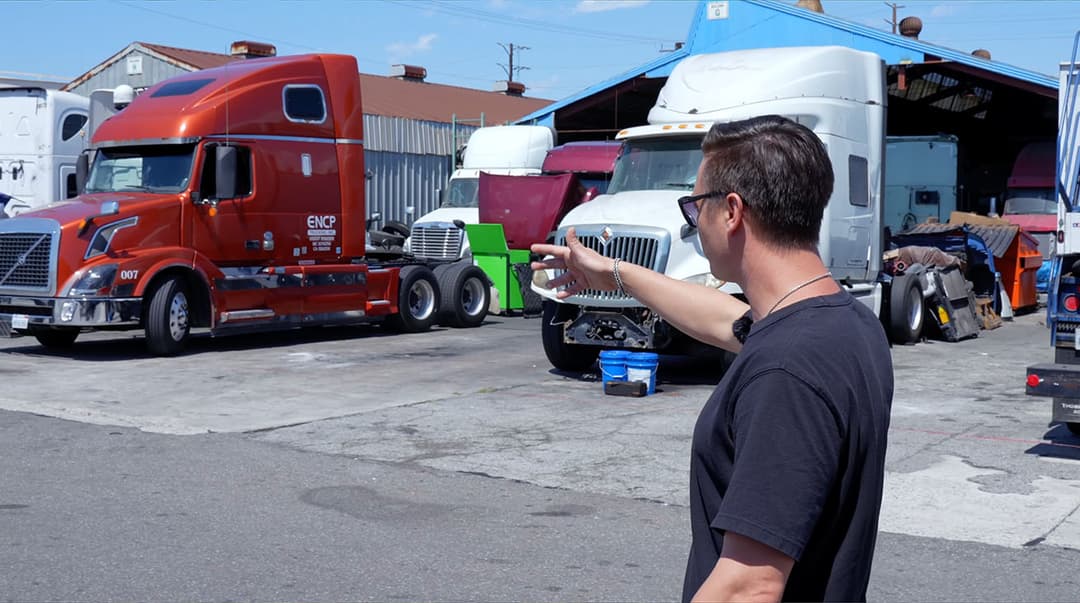
Following the hardware installation across remote stations, our technicians conducted a comprehensive signal survey across the entire multi-acre lot. Achieving reliable wireless throughput across open paved yards requires strategic access point placement to bypass physical obstructions like stacked shipping containers and heavy steel tanker trailers.
To evaluate the UniFi truck yard security wireless backbone under real-world conditions, we verified signal strength across three distinct operational zones:
- Active Repair & Maintenance Bays: Mechanics moving between trucks with diagnostic laptops maintained high-speed, zero-packet-loss connectivity directly from the internal
E7access point. - Remote Tanker Cleaning Bay: Staff running desktop workstations inside the far cleaning booth experienced stable, low-latency performance over the point-to-point wireless bridge.
- Commercial Parking & Staging Area: Even in open parking zones where Wi-Fi access is secondary, the outdoor
E7 Campusaccess points delivered strong, uninterrupted signal coverage across all parked fleets.
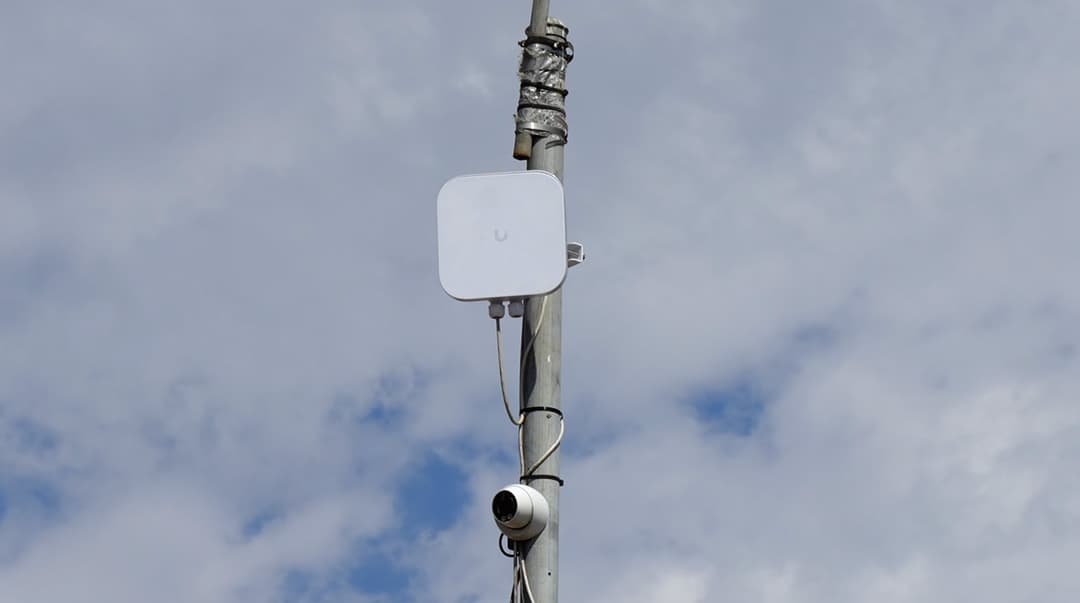
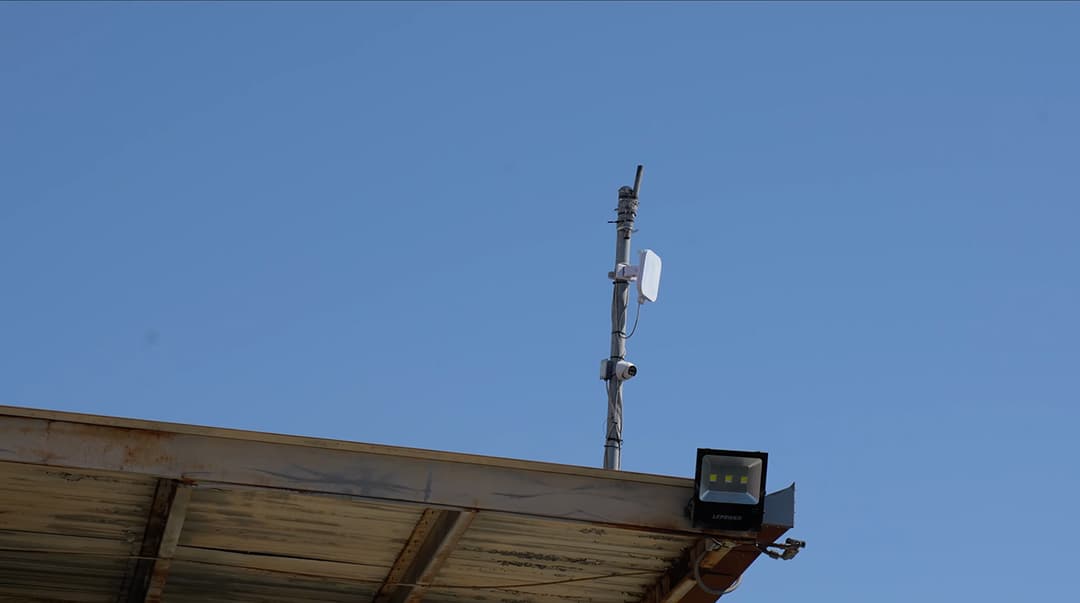
Network Topology Breakdown: Zero-Conduit Wireless Backbone
- Main Office (Core MDF Node): Houses the central
E7 Campusaccess point, serving as the high-power wireless anchor for the entire property.- Security Booth Bridge (Wireless Link 1): Connected via a
Device Bridge Probackhaul to the main AP. Powers a localized PoE switch feeding theUniFi AI LPRcamera, outbound overview camera, USDOT side camera, and theGate Intercom.- Tanker Cleaning Station Bridge (Wireless Link 2): Connected via a dedicated
Device Bridge Prolink. Feeds a localized switch for desktop PCs, an external surveillance camera, and an outdoorE7 Campusaccess point.
Custom API Solution: Tracking USDOT and MC Numbers
Commercial freight operations require strict compliance tracking, specifically logging USDOT and MC registration numbers permanently displayed on the side cabs of commercial trucks. The client requested a specialized management workflow that would allow their logistics team to search, filter, and audit vehicle registration data alongside security footage.
Standard off-the-shelf surveillance platforms do not natively parse side-cab freight identifiers. To solve this, our engineering team leveraged the official Ubiquiti API:
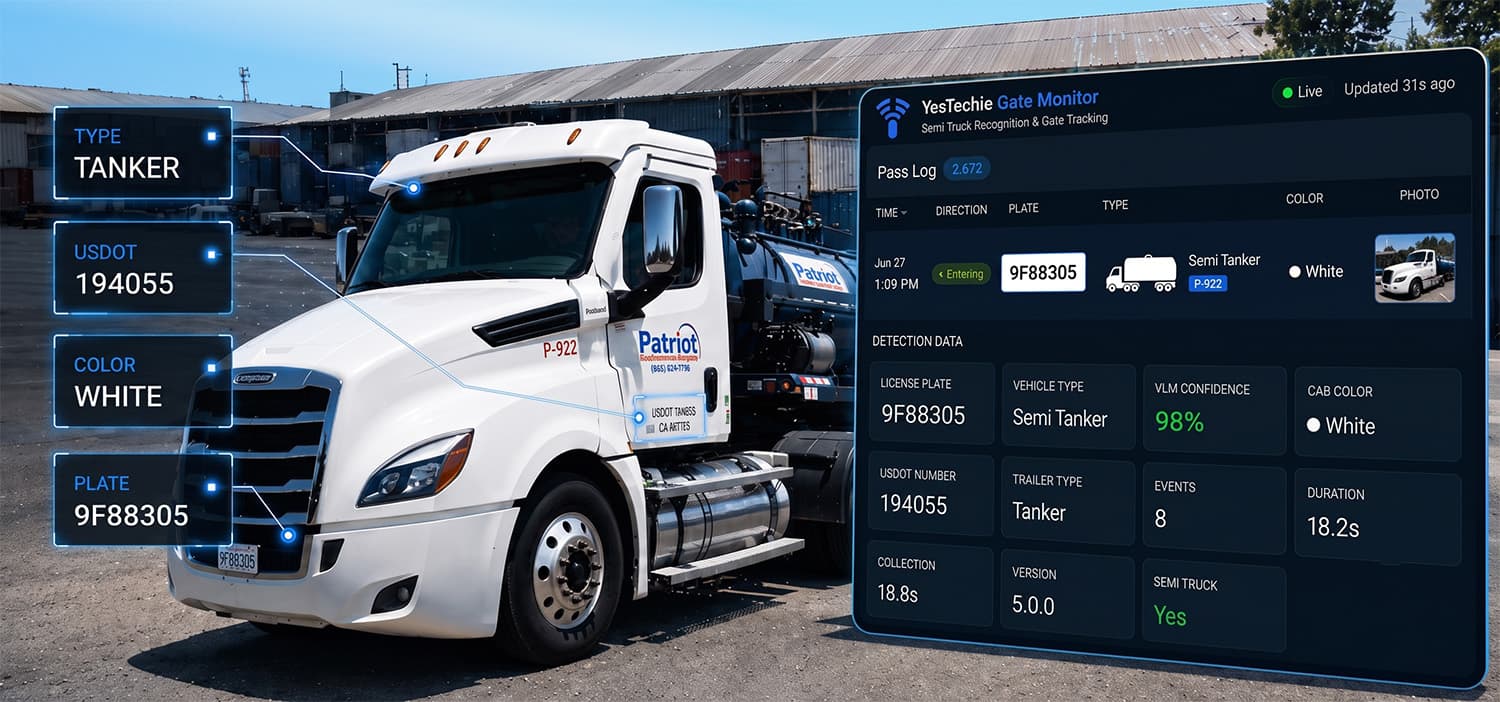
- Dedicated Side-Profile Capture: We positioned a low-mounted camera at a 90-degree angle to the entry lane, capturing crisp high-resolution images of passing truck cabs.
- Custom Software Integration: Using the UniFi API, we engineered a custom user interface that extracts image data and maps side-profile captures directly into a searchable database.
- Logistics Audit Trail: Staff can instantly query historical entries by specific USDOT or MC numbers, viewing associated video timestamps and entry logs in real time.

Building custom software layers over local surveillance backbones reflects the strict data compliance architectures we deploy during Ubiquiti high-security warehouse upgrades, ensuring enterprise clients maintain total control over their operational data.
UniFi Protect Interface: Daytime AI LPR Performance
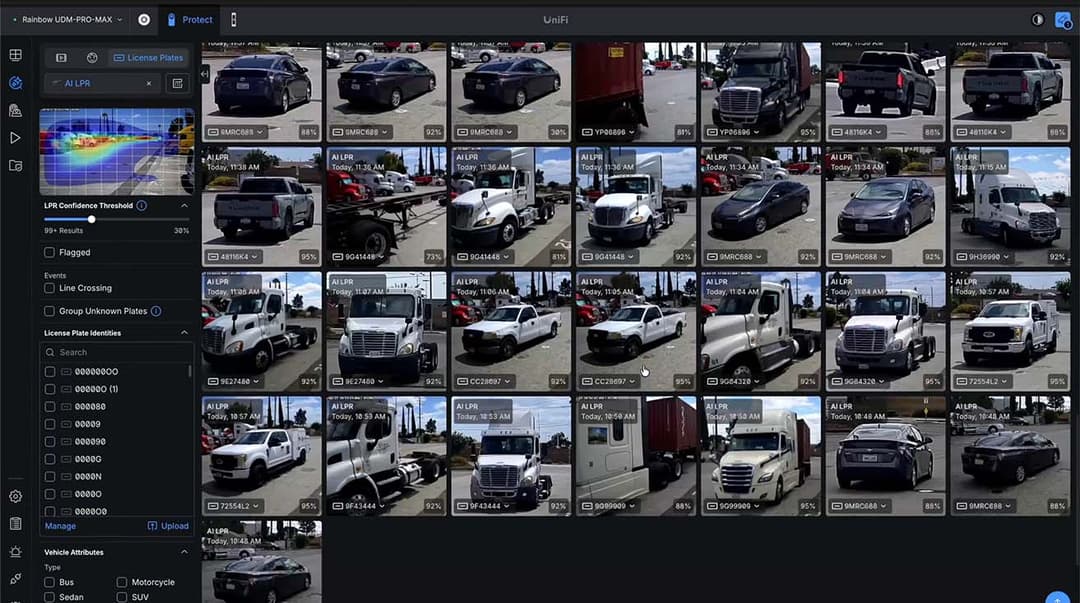
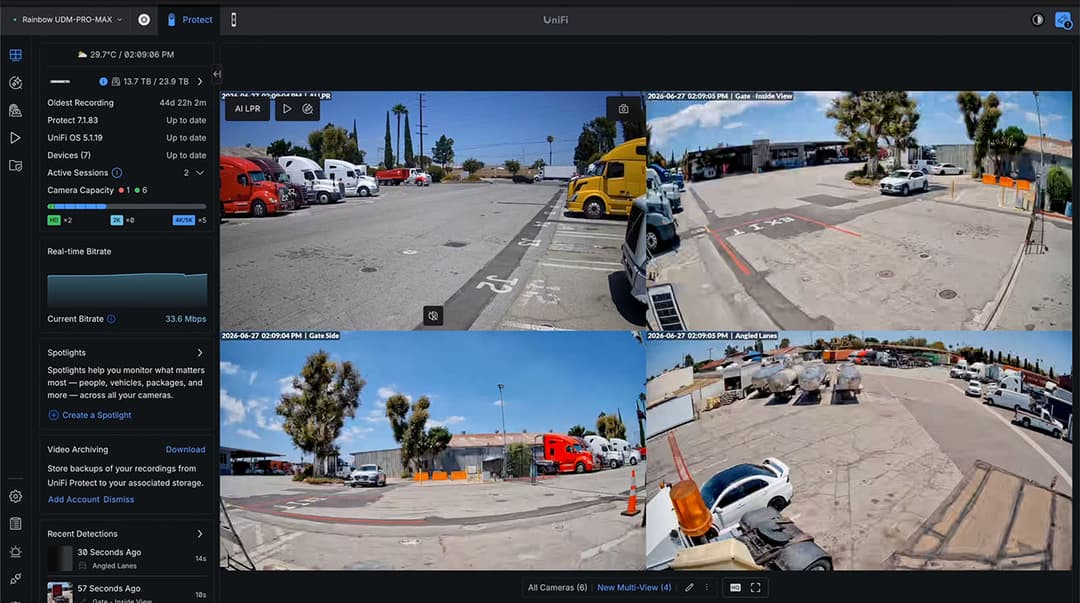
Inside the main office, staff monitor live perimeter activity using the UniFi Protect Multi-View dashboard. During daytime hours, the UniFi AI LPR camera operates as a high-resolution surveillance node, providing wide-angle situational awareness over the main entrance gates.
Daytime performance metrics for the UniFi AI LPR camera deployment include:
- Full Contextual Capture: The sensor delivers detailed 4K color video, recording vehicle color, driver features, and surrounding traffic patterns.
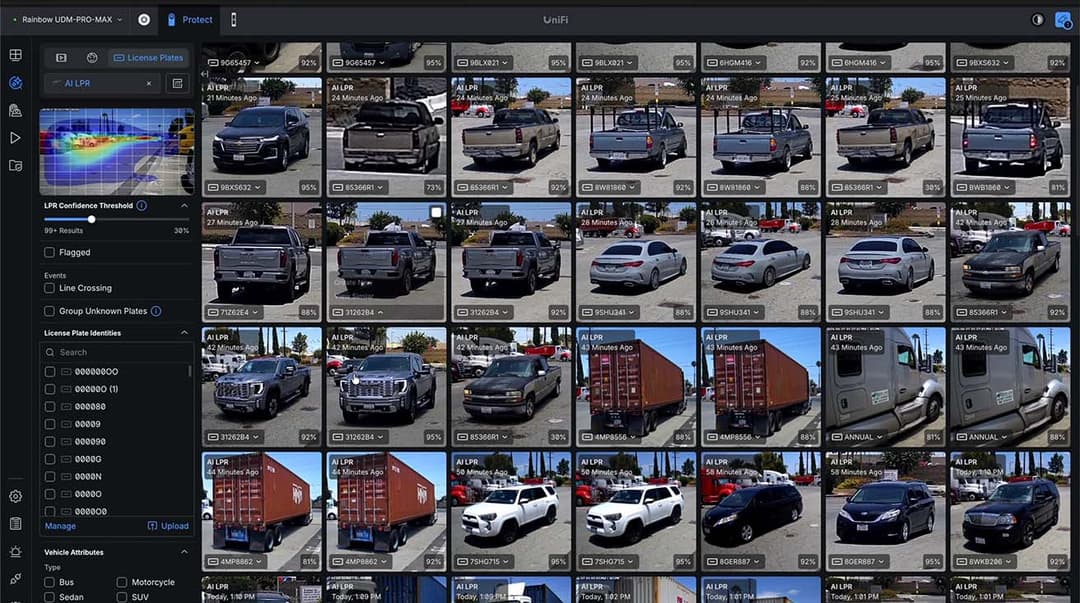
- Instant License Plate Indexing: As a vehicle approaches, the camera automatically detects, crops, and logs the license plate text into the Protect "Detections" tab.
- Searchable Event Logs: Operators can select any plate snapshot from the event feed to instantly jump to the corresponding video clip.
Nighttime LPR Performance: Beating Headlight Glare
Capturing license plates at night represents the single biggest technical hurdle in logistics yard access control. Standard infrared cameras fail under low-light conditions because high-intensity commercial truck headlights shine directly into the lens, causing severe image washing and total glare blindness.
To solve nighttime headlight glare, the UniFi AI LPR camera utilizes specialized low-light sensor tuning and high-speed shutter controls:
- Headlight Glare Mitigation: When a truck approaches the gate at night, the camera instantly adjusts its optical exposure, darkening the background to isolate the license plate.
- High-Contrast Optical Output: The resulting nighttime snapshot displays a pitch-black frame where only the retro-reflective characters of the license plate illuminate with high contrast.
- Dual-Camera Best Practice: Because high-speed LPR exposure renders the surrounding frame dark at night, we recommend deploying two cameras per lane: one dedicated
AI LPRunit focused strictly on plate capture, and a secondary overview camera to maintain general video surveillance of the vehicle and gate area.

Deploying dual-camera perimeter gateways parallels the high-traffic barrier standards we implement in UniFi access control deployments for gated communities, where clear credential verification is required 24/7.
Final Summary & Custom Integrations
Deploying an integrated commercial truck yard security infrastructure transformed a vulnerable, poorly logged lot into a fully automated logistics hub. By replacing an unreliable third-party setup, our team provided the client with complete network unification: yard-wide Wi-Fi coverage, automated gate intercom access, and specialized multi-zone surveillance.
Beyond hardware installation, this project highlights the strategic advantage of the Ubiquiti ecosystem. Every commercial logistics facility faces unique operational bottlenecks. By leveraging the official UniFi API, we engineered a custom software interface specifically tailored to search and filter USDOT and MC registration numbers. This custom integration bridges the gap between physical video surveillance and active logistics management.

Working with a certified integrator allows commercial operators to address specific business pain points directly. By eliminating subscription fees, establishing local data ownership, and bridging isolated remote structures wirelessly, we provided a scalable infrastructure blueprint that streamlines daily operations and prepares the property for long-term growth.
About YesTechie
YesTechie operates as a nationwide Certified Ubiquiti UniFi Professional Integrator headquartered in Los Angeles, California. Founded by Anton Kuznetsov and Vladimir Chasovskikh, our engineering teams build on more than 20 years of hands-on experience in networking, security systems, and complex IT projects. Moving away from static playbooks, we approach physical security and IT infrastructure from first principles. Leveraging this core engineering mindset, we design, deploy, and audit unified network ecosystems that eliminate ongoing software seat fees while ensuring absolute data ownership and predictable, long-term performance under load.

Holding an official C-7 Low Voltage Systems Contractor license (CSLB #1148851), YesTechie provides structured engineering and rapid deployment capabilities on a nationwide scale. While headquartered in California, our mobile field crews deliver turnkey hardware rollouts across multiple states. From complex multi-site business modernizations to high-clearance industrial layouts, we align advanced hardware configurations with strict municipal code compliance. Explore our full integration capabilities by browsing our complete commercial low-voltage services index.
Engineering Consultation: Upgrade Your Network & Security Infrastructure
Managing multi-acre logistics yards or industrial fleet facilities requires a resilient network architecture capable of handling heavy data traffic without signal degradation. Miscalculating Fresnel zone clearances, ignoring multipath RF reflections from metallic trailers, or improperly aligning wireless bridges leads to immediate coverage dropouts during peak logistics hours.
Our engineering group applies the same proven RF calibration protocols established during our large-scale enterprise Wi-Fi 7 warehouse deployment to eliminate coverage dead zones, optimize wireless backhauls, and build custom API tracking layers. Connect with our layout team today to schedule a comprehensive technical site survey.
- Strategic Intake Portal: Request a Professional On-Site Security & Network Layout Assessment
Field Tour: Watch the Full Truck Yard Deployment
To see the complete hardware installation, view the Device Bridge Pro wireless links, and watch the nighttime AI LPR headlight glare mitigation in action, watch our full field video here:
FAQ: Commercial Truck Yard Security & Wireless Infrastructure
How does the UniFi AI LPR camera beat nighttime headlight glare?
Standard cameras suffer from glare blindness when commercial truck headlights point directly at the lens. The UniFi AI LPR camera utilizes specialized high-speed shutter controls and optical sensor tuning designed for low-light conditions. At night, the camera darkens the background frame, isolating and illuminating only the retro-reflective characters of the license plate for crisp, accurate reads.
Is wireless bridging reliable enough for commercial security cameras?
Yes. When installed with line-of-sight alignment, high-throughput wireless nodes like the Device Bridge Pro deliver hardwired-level throughput. Linking remote security booths via point-to-point wireless bridges eliminates the massive capital expense of cutting asphalt or installing underground conduits across paved commercial yards.
Can you track USDOT and MC numbers in UniFi Protect?
While standard UniFi Protect software indexes standard license plates, custom freight identifiers like USDOT and MC numbers can be tracked by integrating secondary side-view cameras with the official Ubiquiti API. This allows integrators to build custom management dashboards tailored to commercial fleet tracking.
Why use the E7 Campus Access Point for outdoor logistics yards?
The E7 Campus access point is engineered for harsh outdoor environments, providing high-power Wi-Fi coverage that penetrates dense industrial obstacles like steel chassis, semi-trailers, and shipping containers. It also serves as a robust wireless backhaul anchor for remote bridge connections.