Industrial UniFi Deployment: 1-Year Performance Review at a Massive Food Production Plant
Key Takeaways: This technical case study examines an industrial UniFi deployment at a large-scale food production facility one year after the initial installation. We review the durability and performance of a zero-license enterprise network featuring over 100 G6 Turret cameras, a 14-door access control system, and a 10GbE switching core. The hardware continues to operate flawlessly across harsh environments, including high-humidity production lines and sub-zero cold storage freezers.
Project Blueprint
Facility Profile
- Location: High-Volume Food Production Plant
- Environmental Challenges: Humid production areas, sub-zero freezers, and outdoor logistics docks
Core Switching Infrastructure
- Network Core (MDF):
Enterprise XG Switchfor 10GbE routing and48-port Pro Max switchesto power and connect UniFi cameras and office devices. - Distribution Nodes (IDF): 3 Intermediate Distribution Frames linked via fiber optic trunk lines
- Network Core (MDF):
Wireless & PA Audio Hardware
- Production Area APs:
E7 Campuswith 10GbE uplinks for humid/outdoor zones - Office APs: Standard
E7Access Points for climate-controlled sectors - Facility Announcements: 10
AI Horn Speakersdeployed as an integrated PA system
- Production Area APs:
Enterprise Physical Security & Storage
- Surveillance Matrix: 105
Camera G6 Turretunits - Video Retention: 2
Enterprise NVRunits loaded with 24TB hard drives - Local Data Storage:
UNAS Profor secure, on-premise corporate documents
- Surveillance Matrix: 105
Access Control Integration
- Door Hubs: 2
Enterprise Access Hubscontrolling 14 doors - Entry Readers: 14
G3 Reader Prounits equipped with video calling capabilities - Lock Hardware: Pre-electrified 24VDC mortise locks operated via dry relays and external power supplies
- Door Hubs: 2
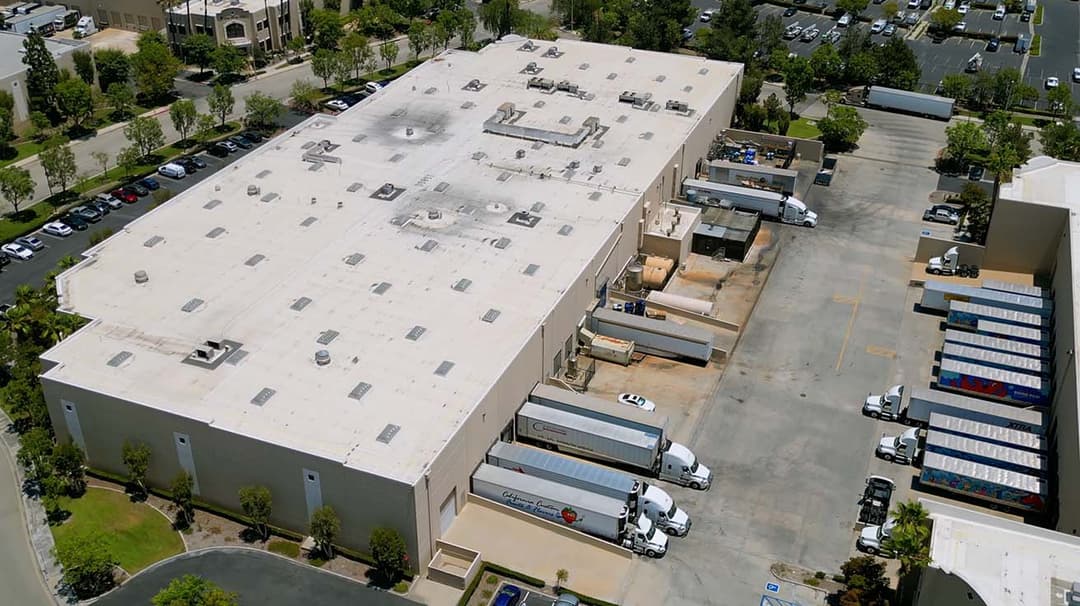
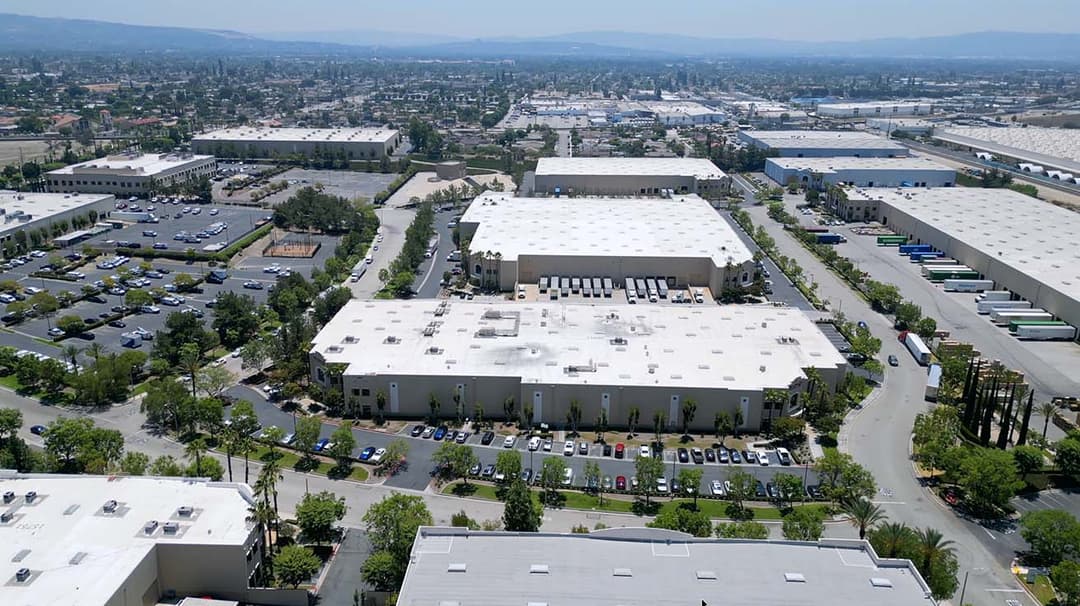
Returning to the Food Production Facility After One Year
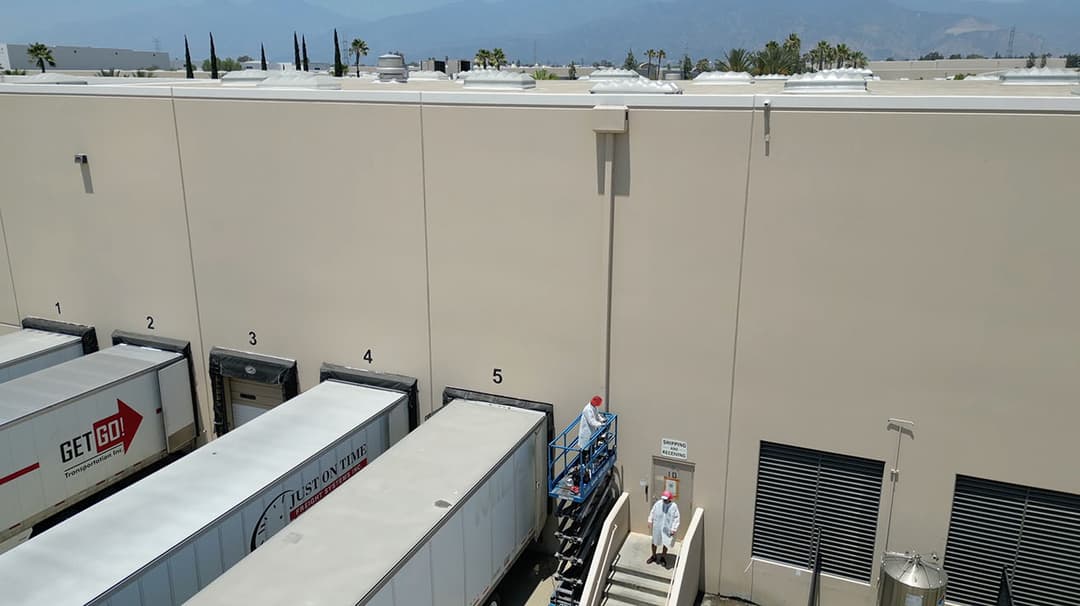
When business owners evaluate an industrial UniFi deployment, the primary metric for success is long-term stability under continuous load. One year ago, in 2025, our engineering group executed a full IT infrastructure overhaul for this food production facility. The initial scope included a complete network backbone, physical security with over 100 cameras, and a 14-door access control system.
Today, we returned to perform ongoing support and assess the system's operational health. The client's management team confirmed that the infrastructure functions exceptionally well. The wireless coverage remains highly stable across the active production area, ensuring that mobile barcode scanners transmit data without interruption. Delivering this level of enterprise reliability parallels our engineering approach for massive industrial spaces, such as our professional Wi-Fi 7 warehouse installation, where eliminating signal blind spots is critical for active supply chain operations.
Adding an E7 Campus Access Point for Docking Area Scanners
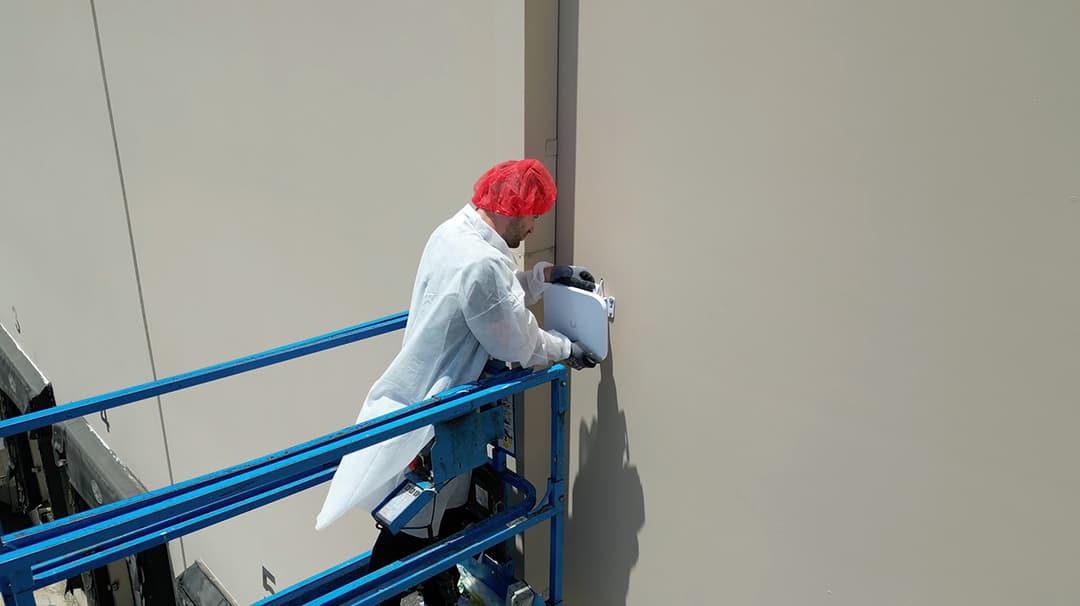
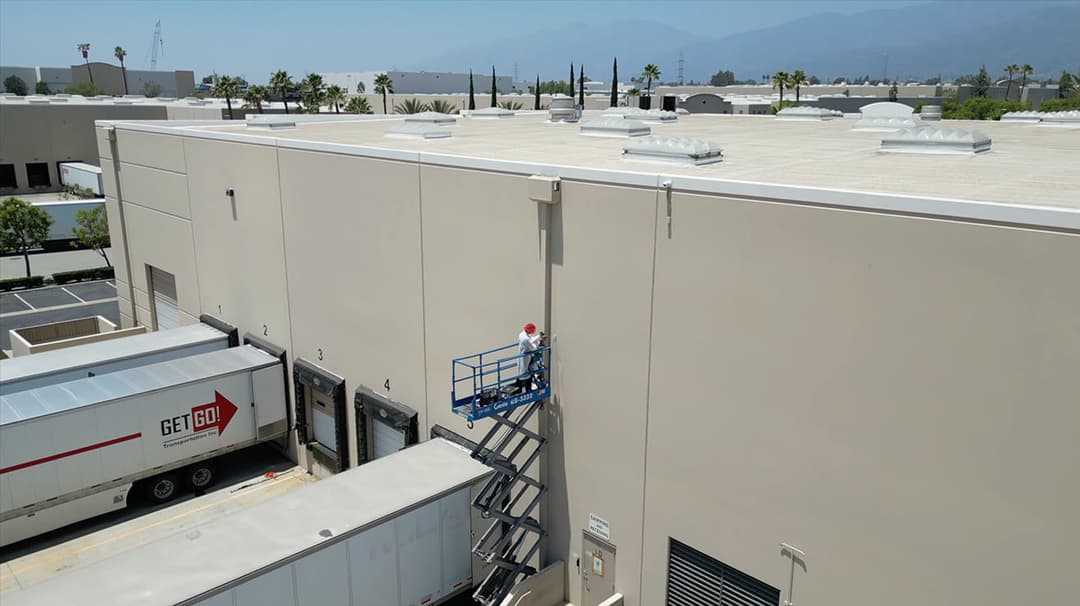
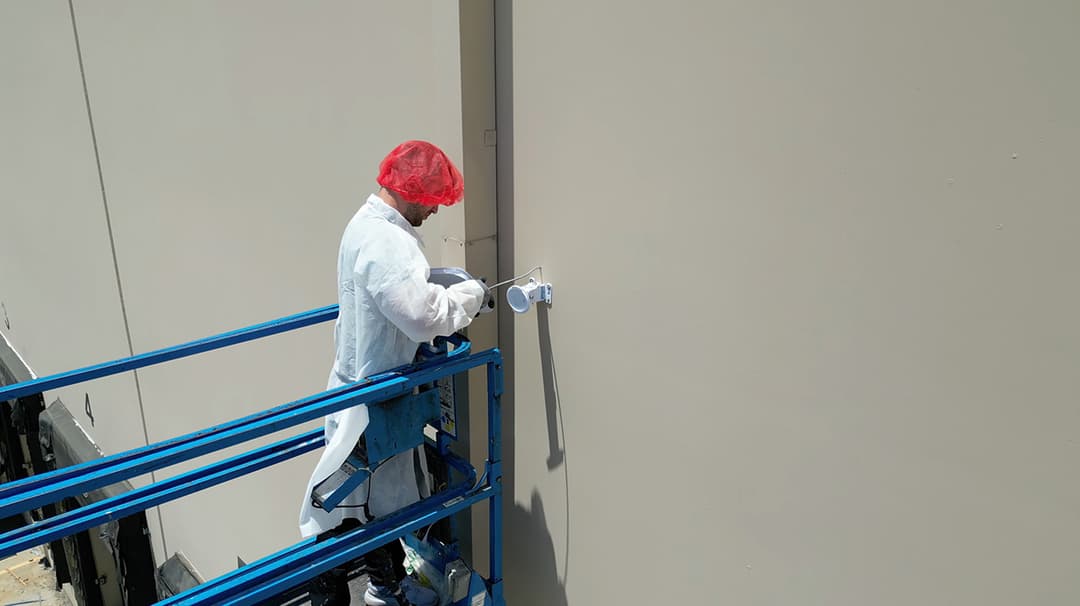
As facility operations expand, the wireless footprint must scale accordingly. The client contacted us to extend their Wi-Fi coverage to the exterior docking area, where finished products are stored and loaded. To guarantee uninterrupted connectivity for barcode scanners in this specific zone, our technicians installed an additional outdoor E7 Campus access point. This hardware deployment ensures that logistics teams maintain real-time database access while moving between the indoor warehouse and the outdoor shipping docks.
MDF Rack Tour: 10GbE Enterprise XG & Pro Max Core
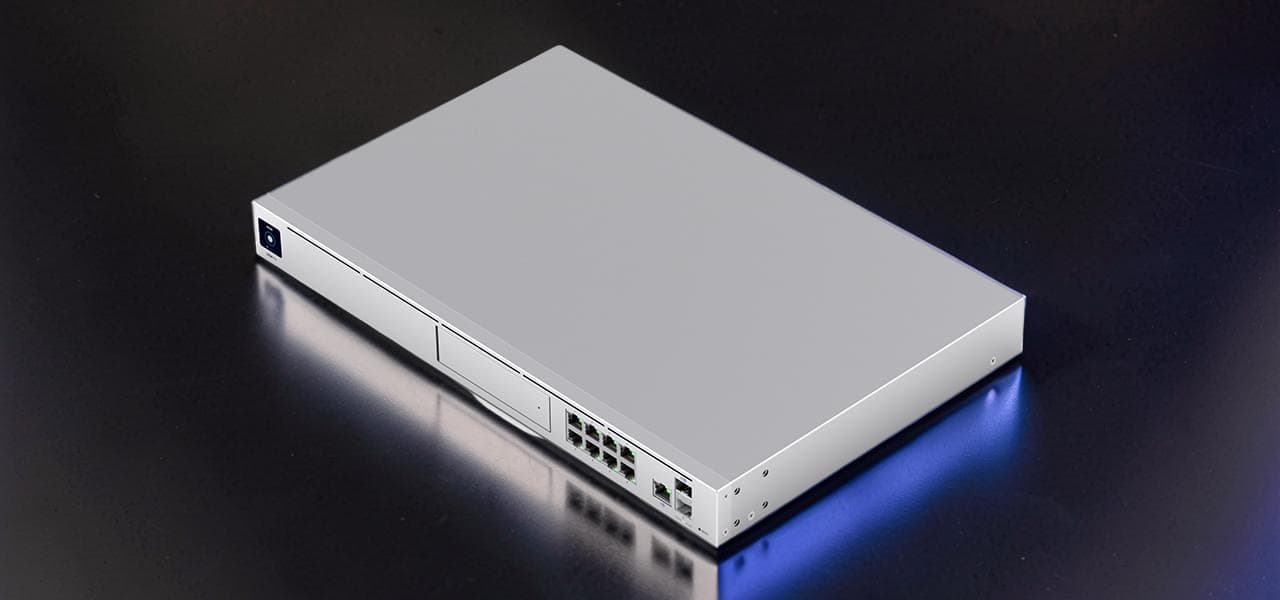
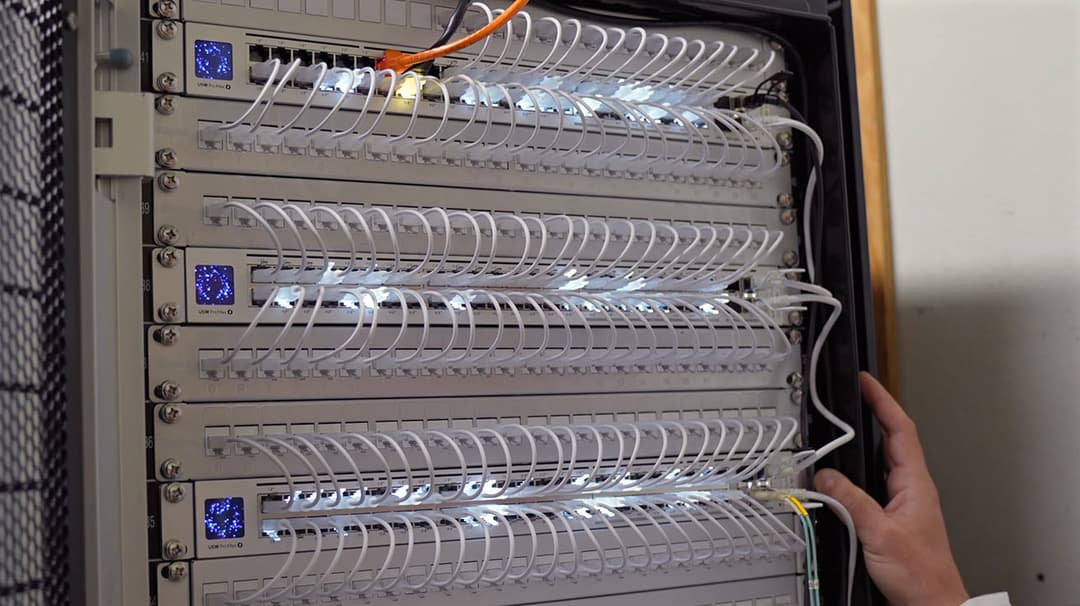
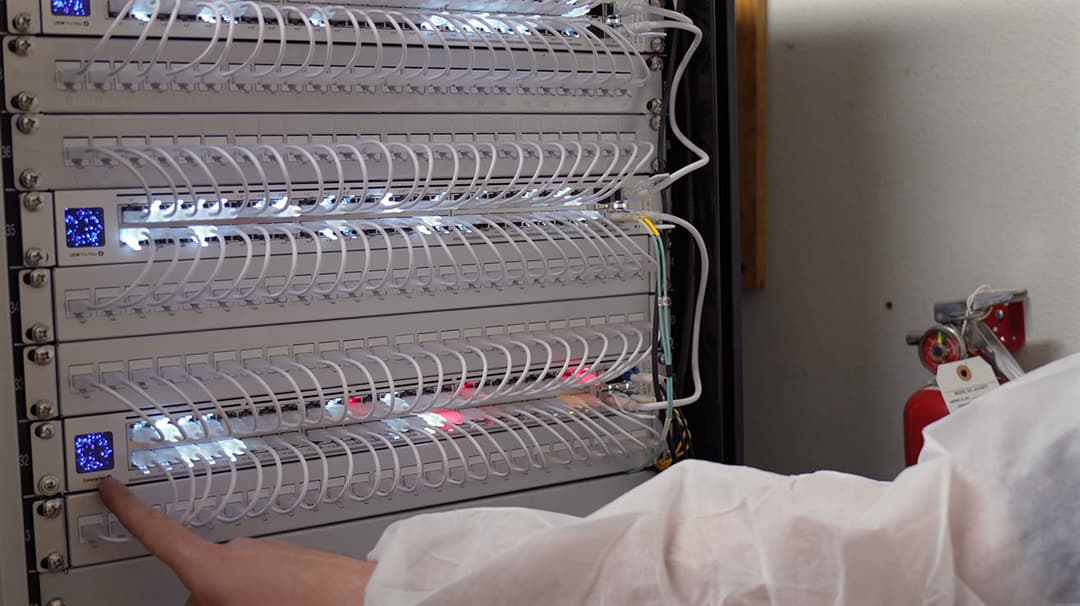
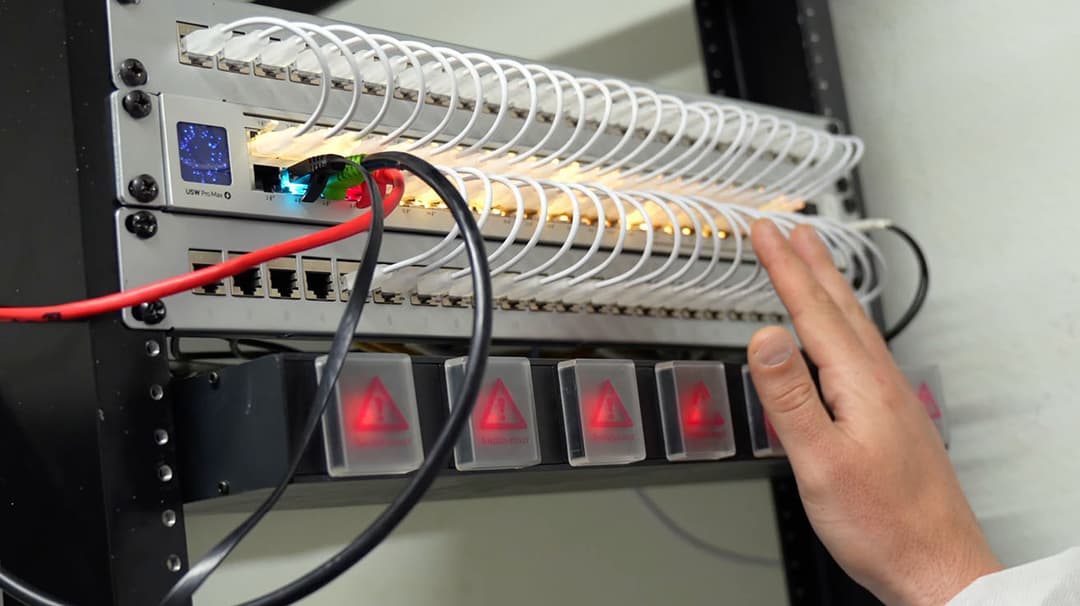
The backbone of this zero-license enterprise network resides in the Main Distribution Frame (MDF). The facility's architecture utilizes a total of nine network switches. Inside the main server rack, we deployed a single Enterprise XG switch and several 48-port Pro Max switches.
The Enterprise XG switch serves as the primary routing engine to deliver high-bandwidth 10GbE uplinks for the access points and high-demand client devices. Routing heavy traffic without bottlenecks is a fundamental design standard we apply across all heavy-load environments, including high-density network deployments for video production studios handling uncompressed 8K footage. Meanwhile, the 48-port Pro Max switches are tasked with powering and connecting the entire camera matrix, alongside standard office hardware like IP phones and desktop computers.
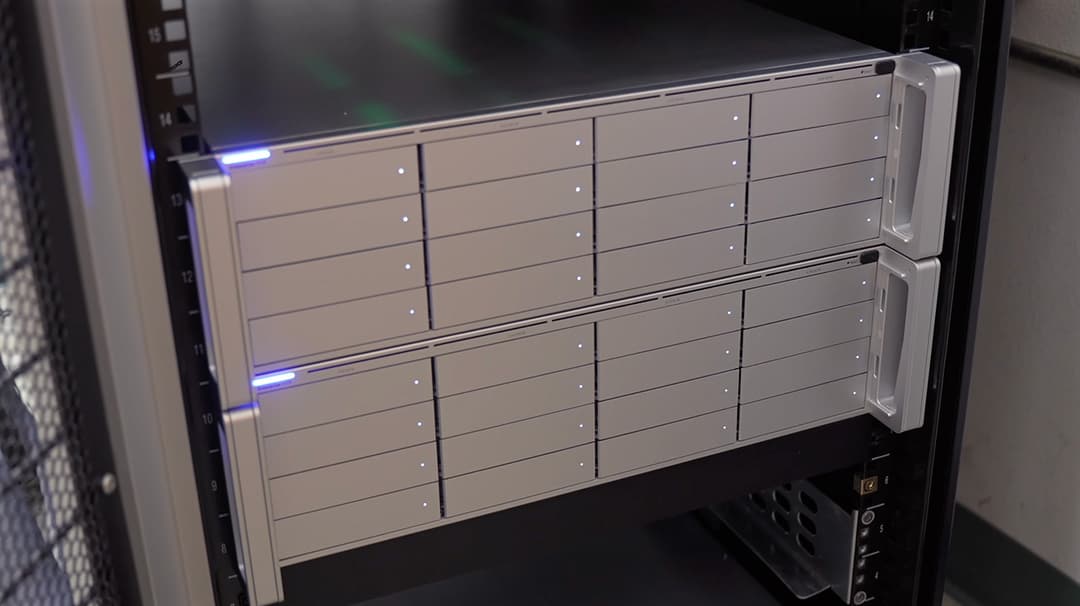
UniFi Protect & Storage: Network Video Recorder Enterprise & UNAS Pro
Surveillance processing and data ownership are critical for food production compliance. Because this industrial UniFi deployment manages 100 camera feeds, the UniFi Protect application runs on two Enterprise Network Video Recorders. To maximize the video retention timeline, both recording units are fully populated with heavy-duty 24-terabyte hard drives.
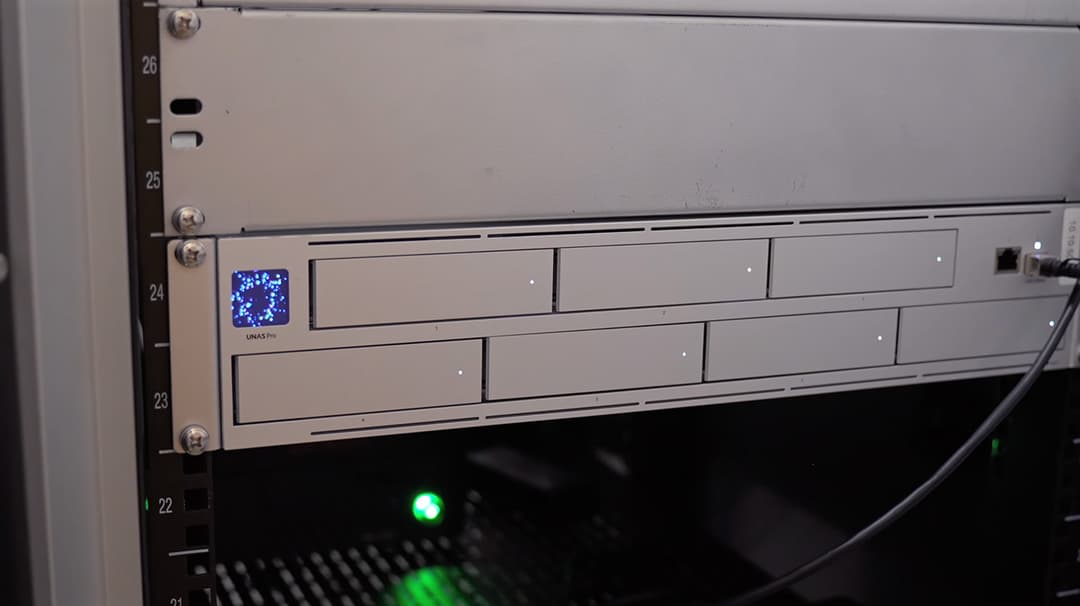
Beyond video security, the organization required a reliable method to keep corporate documents strictly on-premise, bypassing third-party cloud providers. To solve this, we integrated the UniFi UNAS Pro. This local storage solution ensures absolute data control, eliminating monthly cloud storage subscription costs while keeping sensitive factory records securely accessible on the local network.
IDF Rack Breakdown: Fiber Uplinks & Factory Camera Coverage
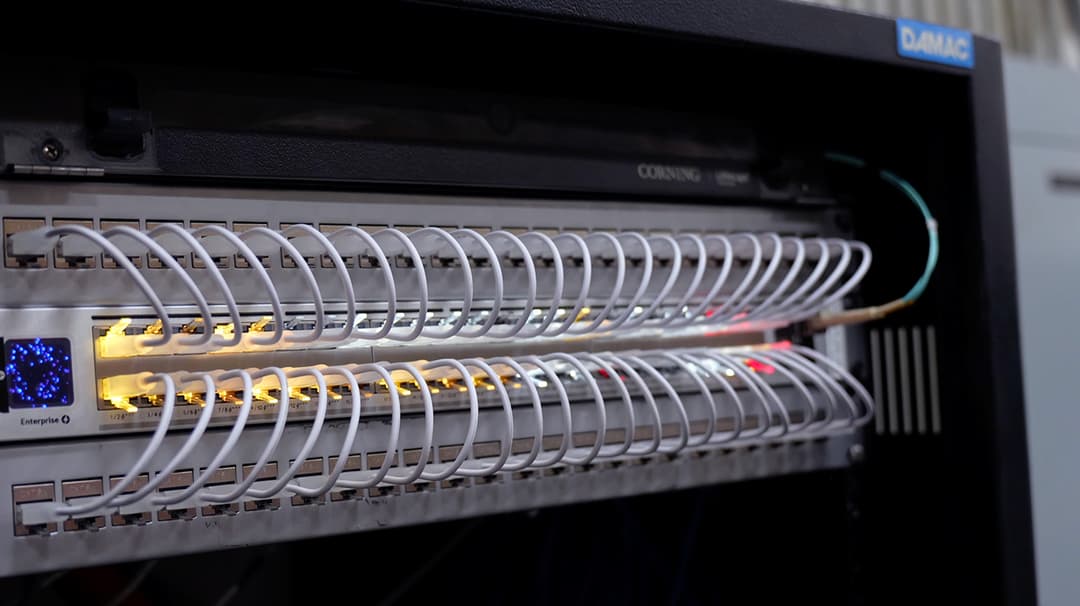
To distribute data across the massive factory floor without copper wire limitations, the network relies on three separate Intermediate Distribution Frames (IDFs). Each remote cabinet houses a Pro Max and an Enterprise XG switch. Every IDF node is connected directly back to the main MDF core via dedicated fiber optic cables.
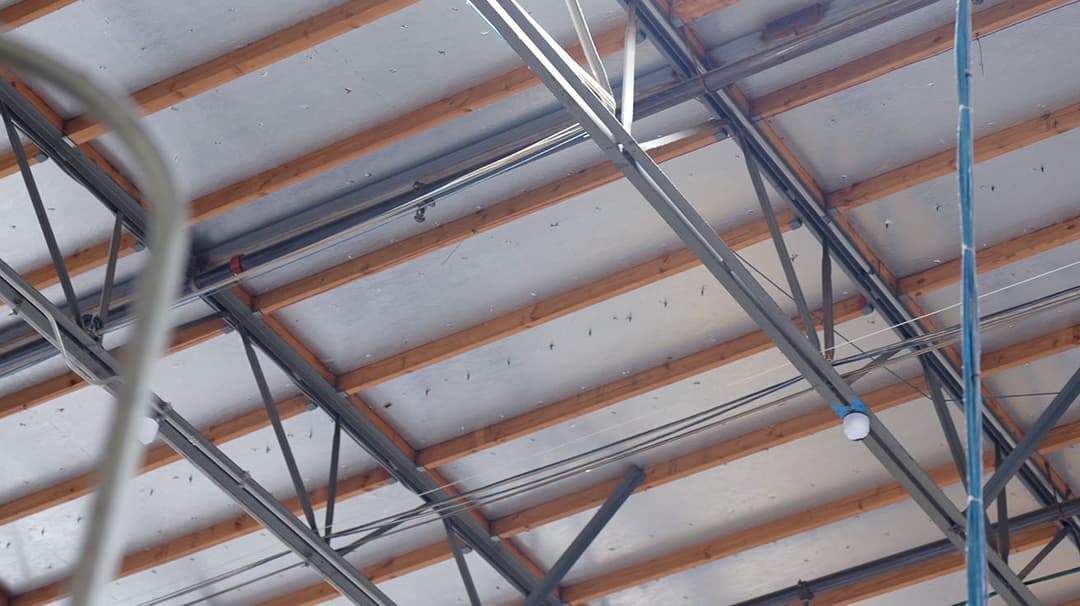
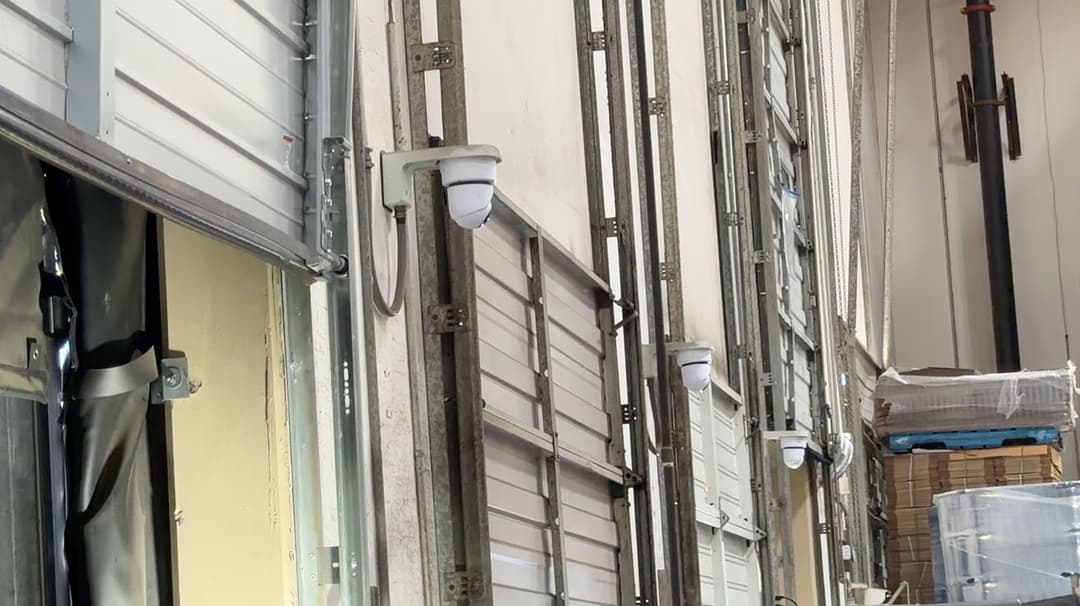
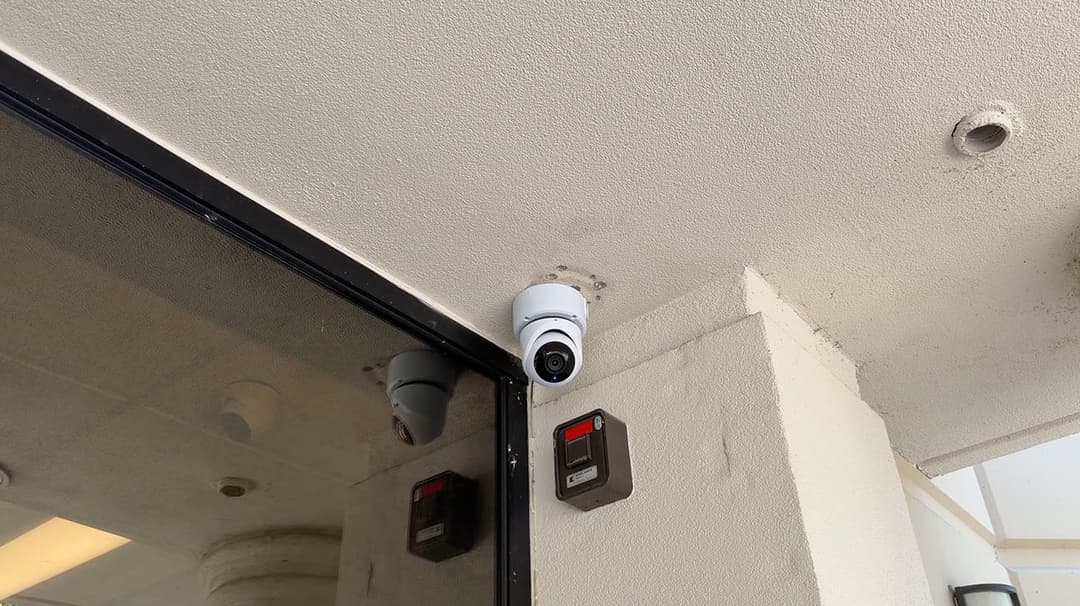
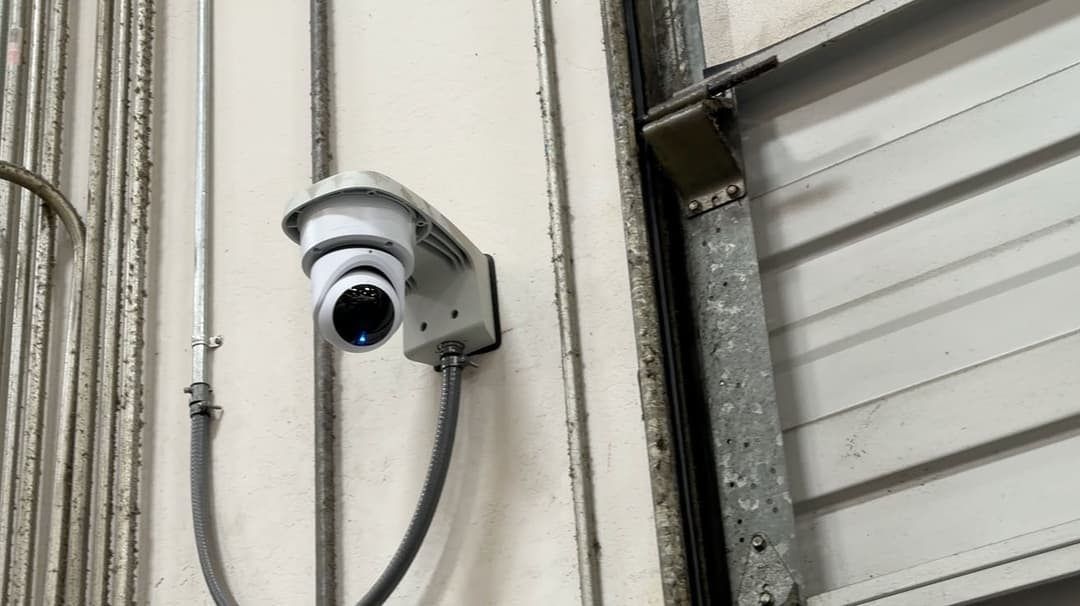
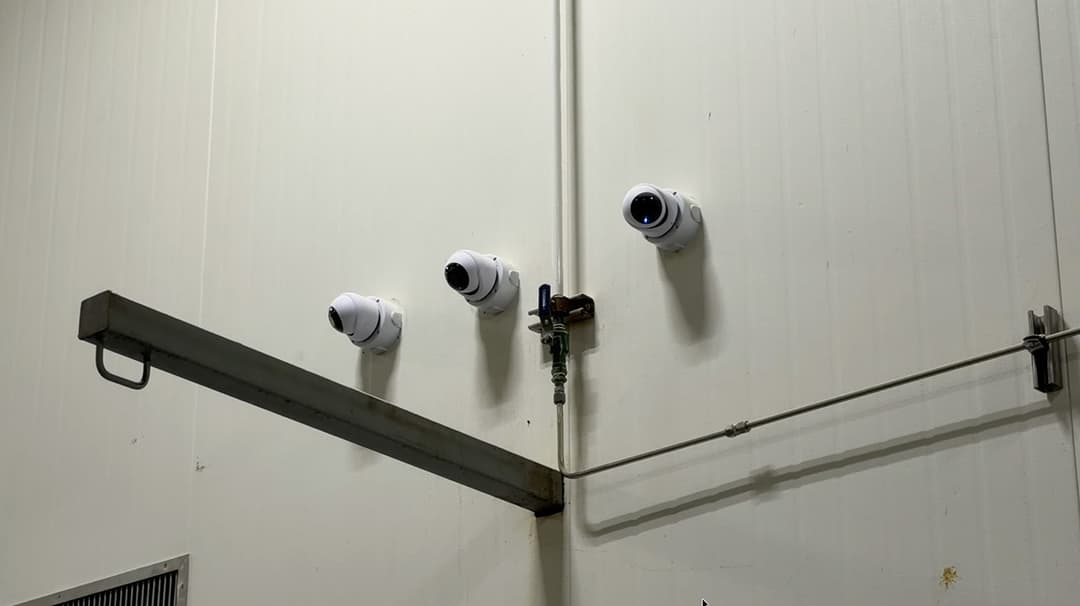
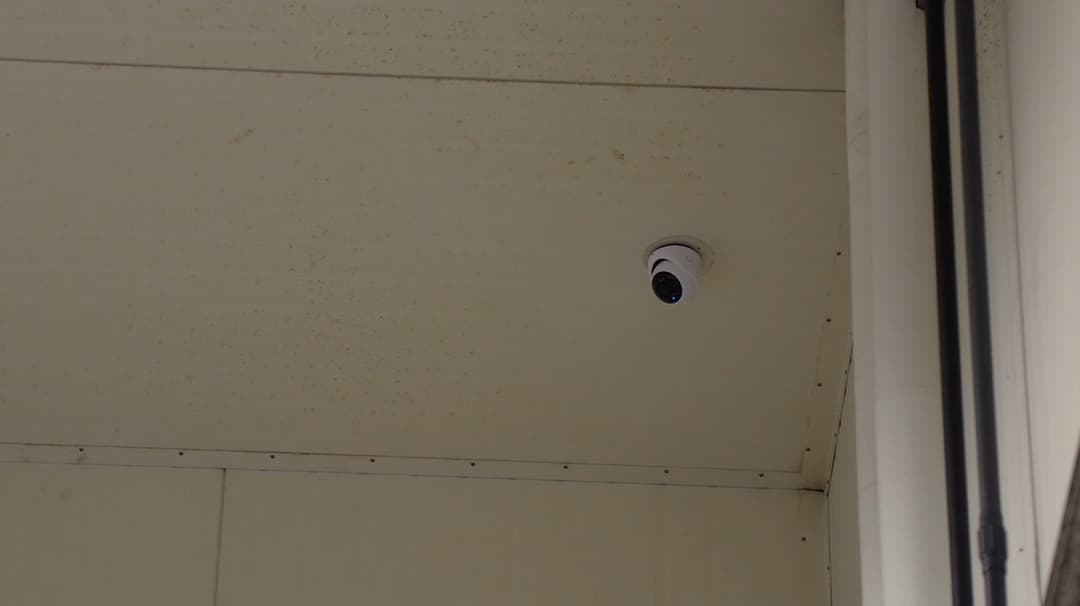
This distribution method allows us to blanket the facility with high-throughput surveillance. Our installation teams positioned cameras to cover every single door to monitor ingress traffic and record loading activities. By maintaining strict visual coverage over the ceiling aisles and critical entry points, the security team retains total operational oversight.
Turret Camera Performance in Freezers and Humid Areas
Industrial hardware must survive extreme environmental stress. Out of the 105 total cameras deployed across the plant, every single unit is a G6 Turret camera. After nearly a full year of 24/7 operation, their performance has been flawless. We strategically mounted these units inside high-moisture production areas and sub-zero freezers. Despite the aggressive temperature fluctuations and constant water exposure, the hardware experienced zero operational failures, verifying its resilience in food facility environments.
E7 Campus Access Points vs Standard E7 for Production Lines
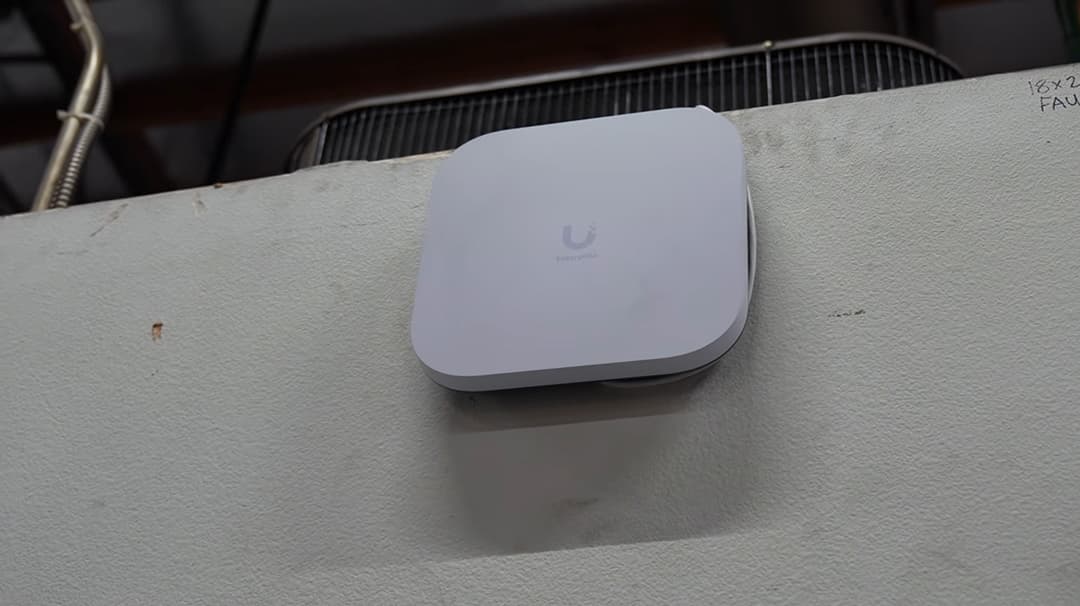
Radio frequency hardware selection depends entirely on the micro-environment. The main production area features a highly humid atmosphere with significant water exposure. For these active zones, we specified E7 Campus access points connected via 10GbE uplinks. The E7 Campus model is rated for both indoor and outdoor use, providing powerful coverage that easily penetrates dense industrial conditions. Adapting hardware to specific environmental constraints is a core principle of our engineering group, much like the strategies we apply during commercial security camera installations for warehouse facilities where structural layout dictates equipment selection.
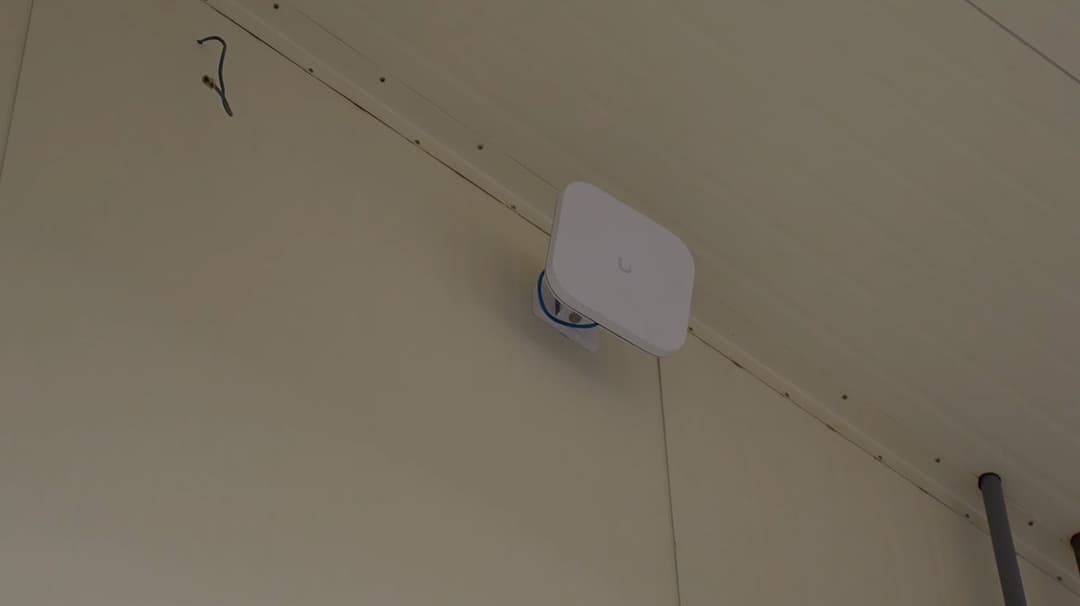
Conversely, the administrative office area features a standard climate-controlled environment. In these office zones, we deployed regular E7 access points to handle localized client traffic efficiently without over-engineering the space.
Access Control Challenge: Wiring 24V Mortise Locks with Enterprise Access Hub
Integrating modern access control with existing door hardware often requires advanced electrical engineering. To isolate physical security traffic, we utilized a dedicated IDF exclusively for cameras and access control hardware. Powered by a USW Pro Max switch, this specific node houses two Enterprise Access Hubs to manage 14 entry points.
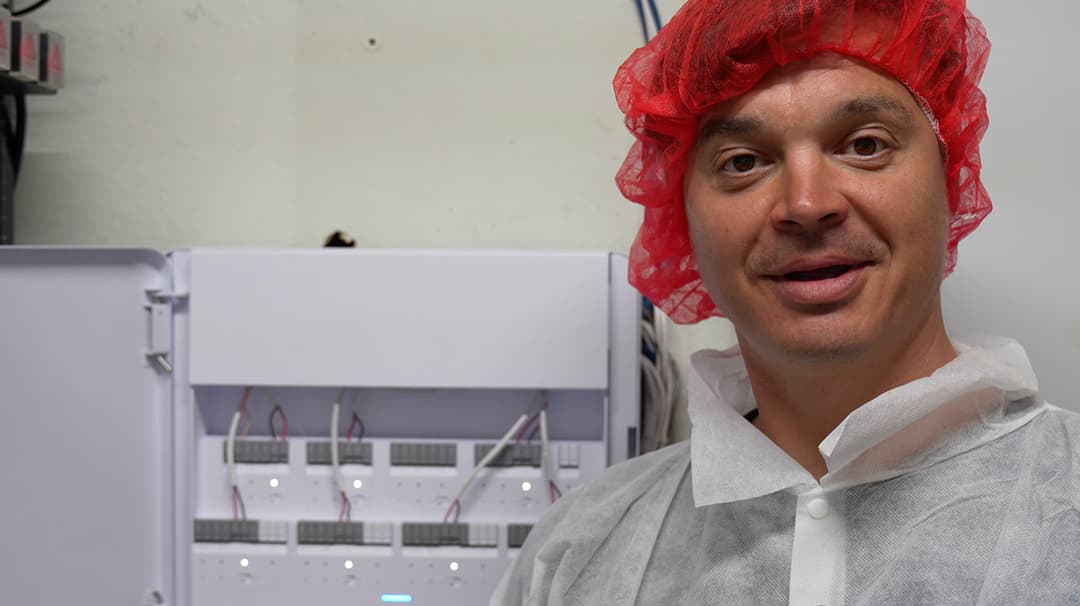
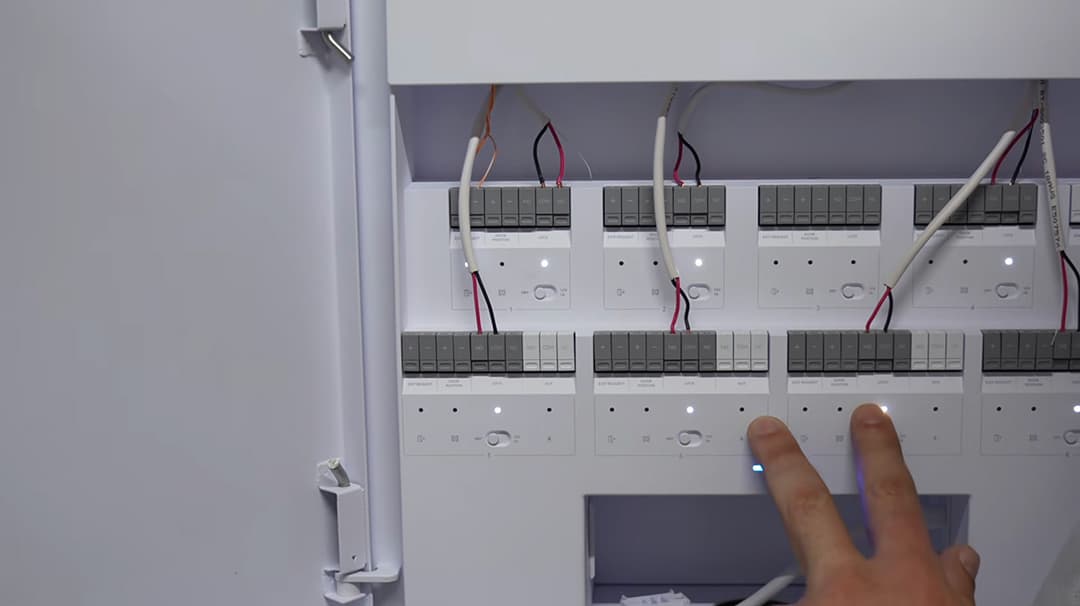
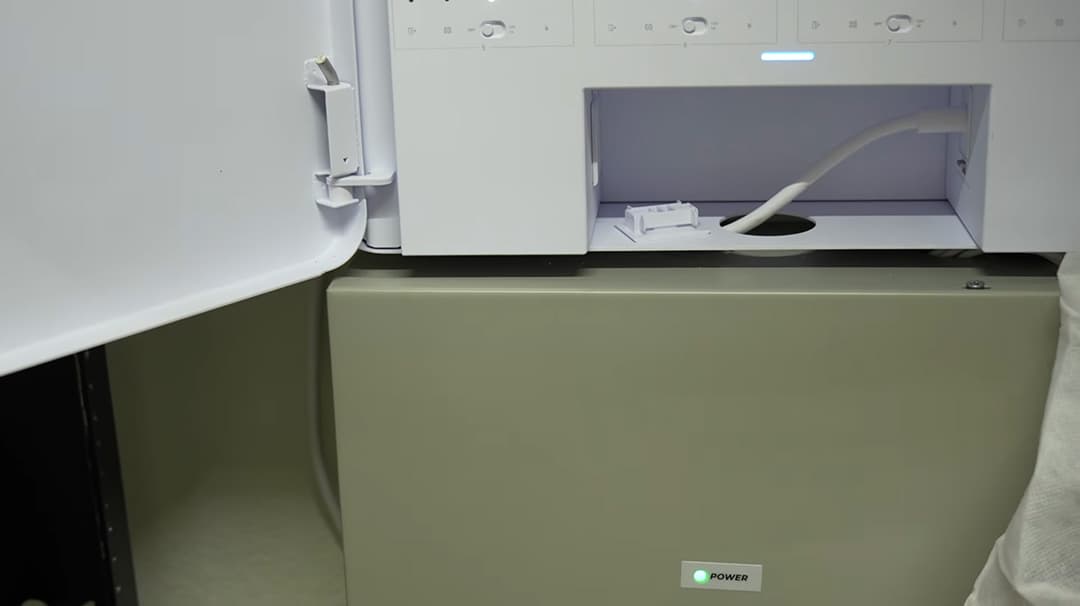
However, the doors were pre-electrified with heavy 24VDC mortise locks. Because the UniFi hub outputs 12V power directly, our technicians engineered a safe workaround. By implementing an external power supply and routing the signal through the dry relays on the UniFi hub, the system perfectly controls the high-voltage mortise locks without hardware conflicts. Managing complex physical barriers requires custom relay configurations, similar to our approach in UniFi access control deployments for gated communities, where high-voltage motorized gates demand external power integration.
Facility Announcement System Using AI Horn Speakers
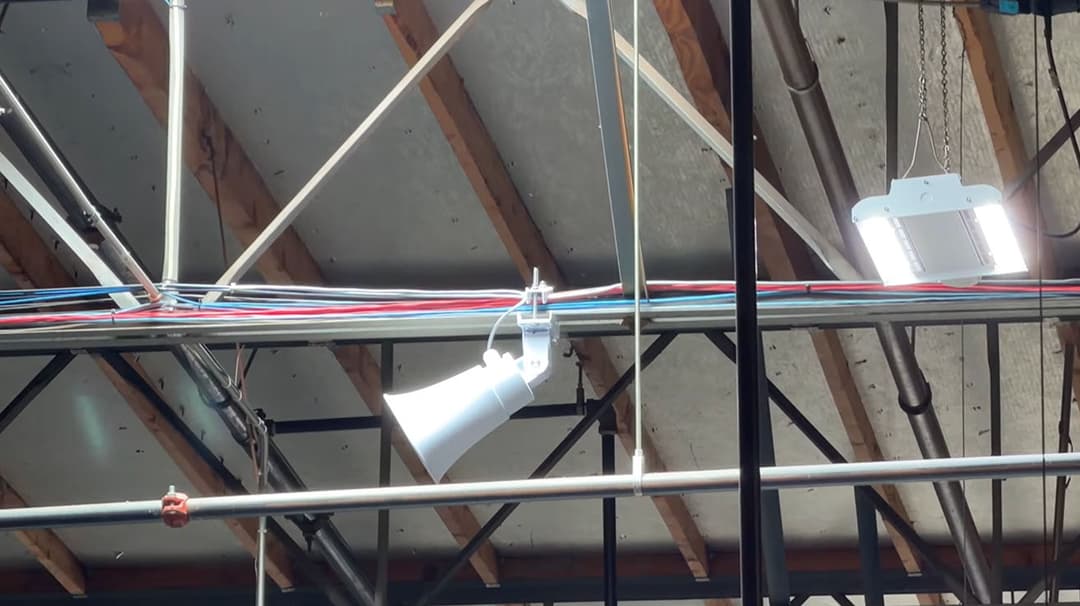
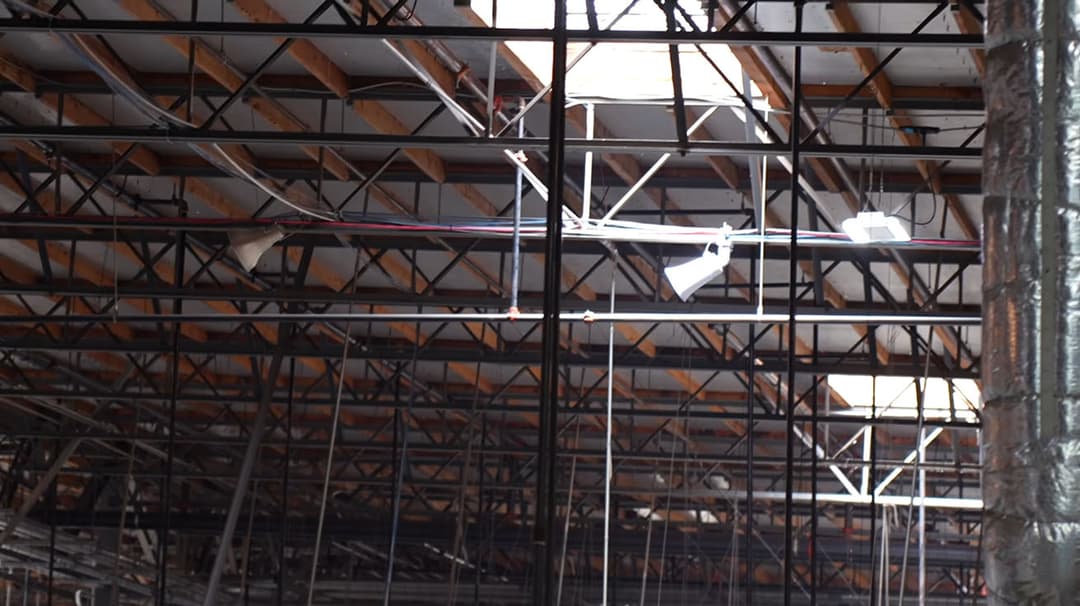
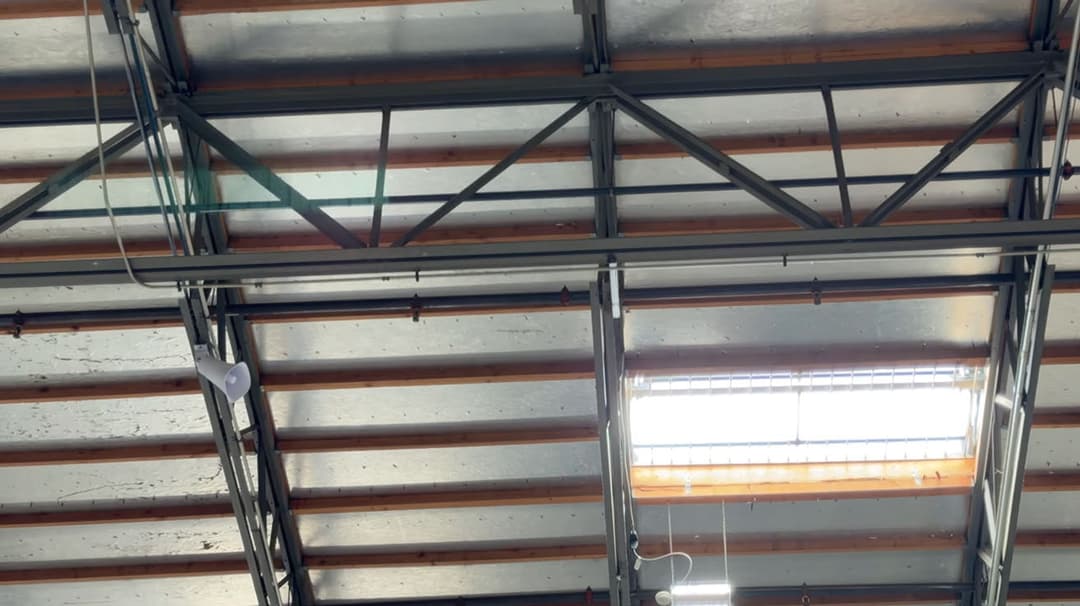
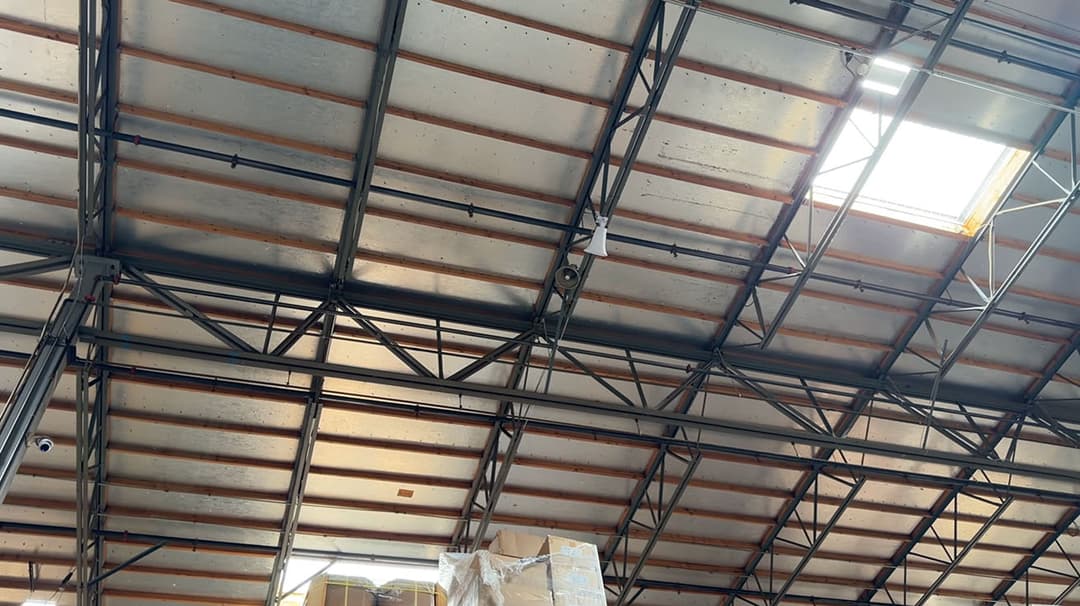
To improve direct communication across the noisy factory floor, we deployed a dedicated public address (PA) system. The installation includes 10 AI Horn speakers distributed throughout the facility. If the security monitoring team observes an incident on camera or needs to communicate with a specific production crew, they can instantly broadcast announcements through the horn system. The speakers are individually named in the management software for precise targeting, and their high decibel output easily cuts through the ambient machinery noise.
G3 Reader Pro: Video Entry Logs & Remote Door Unlocking
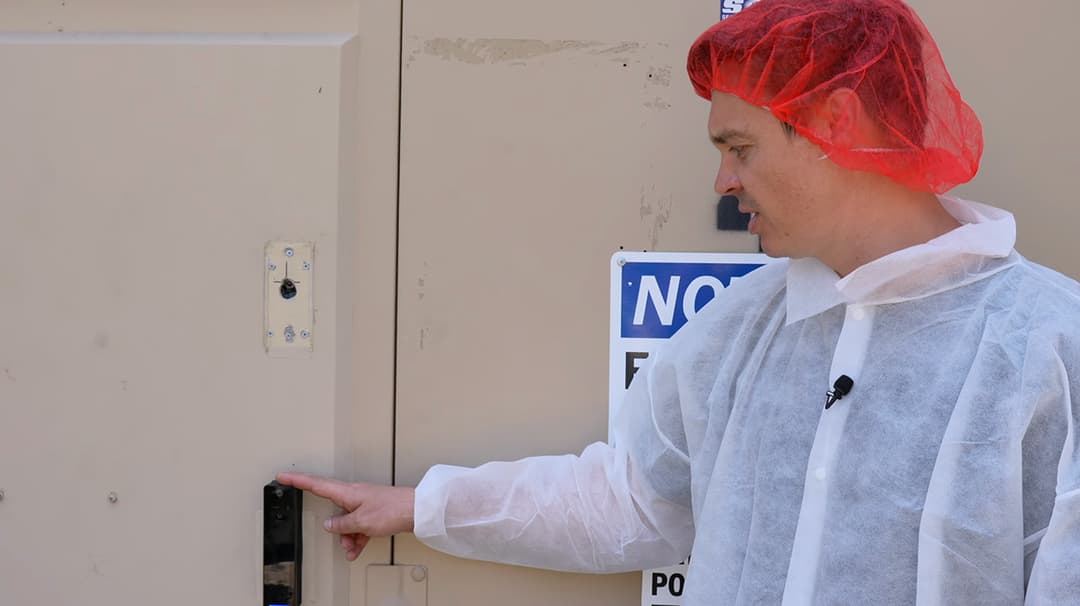
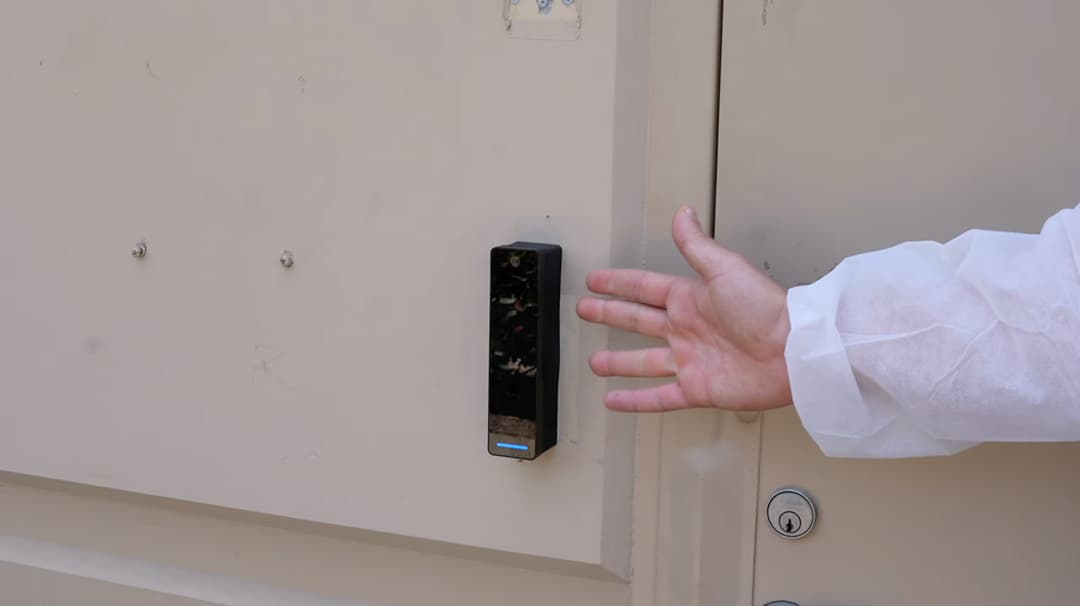
Upgrading the facility's physical entry protocols required replacing fragmented consumer devices with a unified commercial solution. Previously, the facility relied on basic ring doorbells. Visitors had to ring the bell, and staff had to walk across the entire facility to physically open the door.
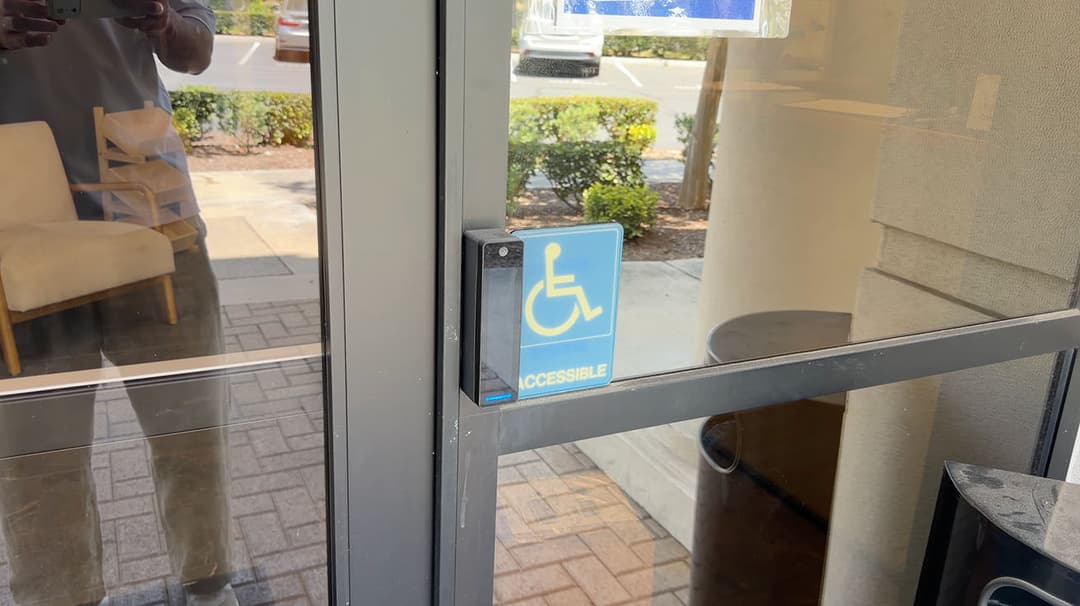
We replaced this outdated setup with G3 Reader Pro units on all 14 electrified doors. The client specifically requested a visual record of every entry, making the camera-equipped G3 Reader Pro the perfect hardware choice. The system supports key fobs, PIN codes, and facial recognition. When a visitor arrives without credentials, they simply swipe the screen to initiate a direct video call to the reception desk. The receptionist can visually verify the guest and instantly unlock the door remotely, streamlining the entire entry process.
Final Wi-Fi Coverage Testing and Outro
Following the integration of the new outdoor E7 Campus access point, our technicians conducted a final Wi-Fi coverage test across the docking area. Signal strength metrics confirmed the network is fully optimized for logistics barcode scanners. Whether upgrading a single distribution warehouse or securing a massive multi-site production plant, modern IT infrastructure drastically improves business operations by eliminating localized drops in connectivity.
About YesTechie
YesTechie operates as a nationwide Certified Ubiquiti UniFi Professional Integrator headquartered in Los Angeles, California. Founded by Anton Kuznetsov and Vladimir Chasovskikh, our engineering teams build on more than 20 years of hands-on experience in networking, security systems, and complex IT projects. Moving away from static playbooks, we approach physical security and IT infrastructure from first principles. Leveraging this core engineering mindset, we design, deploy, and audit unified network ecosystems that eliminate ongoing software seat fees while ensuring absolute data ownership and predictable, long-term performance under load.
Holding an official C-7 Low Voltage Systems Contractor license (CSLB #1148851), YesTechie provides structured engineering and rapid deployment capabilities on a nationwide scale. While headquartered in California, our mobile field crews deliver turnkey hardware rollouts across multiple states. From complex multi-site business modernizations to high-clearance industrial layouts, we align advanced hardware configurations with strict municipal code compliance. Explore our full integration capabilities by browsing our complete commercial low-voltage services index.
Engineering Consultation: Upgrade Your Network & Security Infrastructure
Managing multi-use industrial warehouses, manufacturing facilities, or food production plants requires a resilient network architecture that handles heavy device data without creating fragile workarounds. Miscalculating fiber-optic link budgets, over-allocating switch port power, or improperly mapping RF signal boundaries leads to immediate operational dropouts and communication failures during peak supply chain hours.
Our technical group provides complete, end-to-end blueprinting, project procurement, and physical low-voltage integration services tailored to your facility's exact layout constraints. To eliminate wireless blind spots, optimize your multi-gigabit routing backend, and audit your property's deployment readiness, connect with our layout team today to schedule a comprehensive technical site survey.
- Strategic Intake Portal: Request a Professional On-Site Security & Network Layout Assessment
Field Tour: Watch the Full Industrial Plant Walkthrough
To see the complete 1-year performance review, view the MDF rack 10GbE switching architecture, and watch the G3 Reader Pro video intercom system in action, watch our full field video here:
FAQ: Industrial IT & Unified Enterprise Security
Why use the E7 Campus Access Point indoors instead of standard models?
The E7 Campus is rated for outdoor environments, making it highly resistant to moisture, dust, and temperature extremes. In a food production plant, the active manufacturing areas are often humid and involve significant water exposure. Utilizing the E7 Campus indoors ensures the access points survive these harsh industrial conditions without hardware failure.
How do you integrate 24VDC mortise locks with UniFi Access hubs?
The standard UniFi Enterprise Access Hub outputs 12V power. To safely control heavier 24VDC mortise locks, network engineers must deploy an external 24V power supply. The power signal is then routed through the dry relays on the UniFi hub, allowing the system to securely open the locks without voltage conflicts.
What is the advantage of using UNAS Pro alongside Enterprise NVRs?
The Enterprise NVR is strictly optimized for high-bandwidth surveillance video retention. The UNAS Pro serves a different purpose: it acts as a secure, local server for storing sensitive corporate files and documents. Deploying both ensures critical video evidence and corporate data remain completely on-premise, bypassing expensive third-party cloud subscription fees.
How does the G3 Reader Pro eliminate the need for physical reception walks?
Legacy intercoms or basic doorbells require staff to physically approach the door to verify and grant access. The G3 Reader Pro features an integrated camera and video calling system. When a visitor swipes the screen, it triggers a live video feed to a viewer at the reception desk. The receptionist can visually verify the guest and instantly unlock the door from their workstation.